2026 Top Guide How to Set Up a Small Animal Clinic?

Time:2026-10-21 Author:Sienna
0%

Opening a small animal clinic in 2026 requires more than buying examination tables and installing bright lights. It demands careful planning, clinical judgment, financial discipline, and respect for every animal and owner.

This guide explains how to set up a small animal clinic from the first concept to daily operation. It examines location selection, zoning checks, facility layout, infection prevention, equipment planning, staffing, digital records, and emergency referral procedures. Local authorities and qualified professionals should confirm every regulatory requirement. Rules differ by region.

Veterinarian Dr. Marty Becker has said, “The human-animal bond is the foundation of veterinary medicine.” That principle should shape the clinic’s design. A quiet waiting corner can reduce stress. Non-slip flooring can protect nervous dogs. Separate cat spaces may improve comfort and safety. Small details matter.

A practical clinic also needs a realistic budget. Construction costs can rise quickly. Medical equipment requires maintenance, calibration, and staff training. A polished reception area cannot repair weak patient flow. Nor can expensive software replace thoughtful communication.

Some plans will be wrong.

That is normal.

Clinic owners should test workflows before opening. Walk through a patient visit, from arrival to discharge. Notice where animals wait, where staff bend, and where information gets lost. Ask experienced veterinarians, nurses, architects, and practice managers to challenge assumptions. Their criticism may feel uncomfortable, but it can prevent costly mistakes.

This 2026 guide combines operational experience, veterinary standards, and practical design thinking. It does not promise an effortless launch. It offers a clearer path toward a safe, ethical, efficient, and genuinely welcoming small animal clinic.
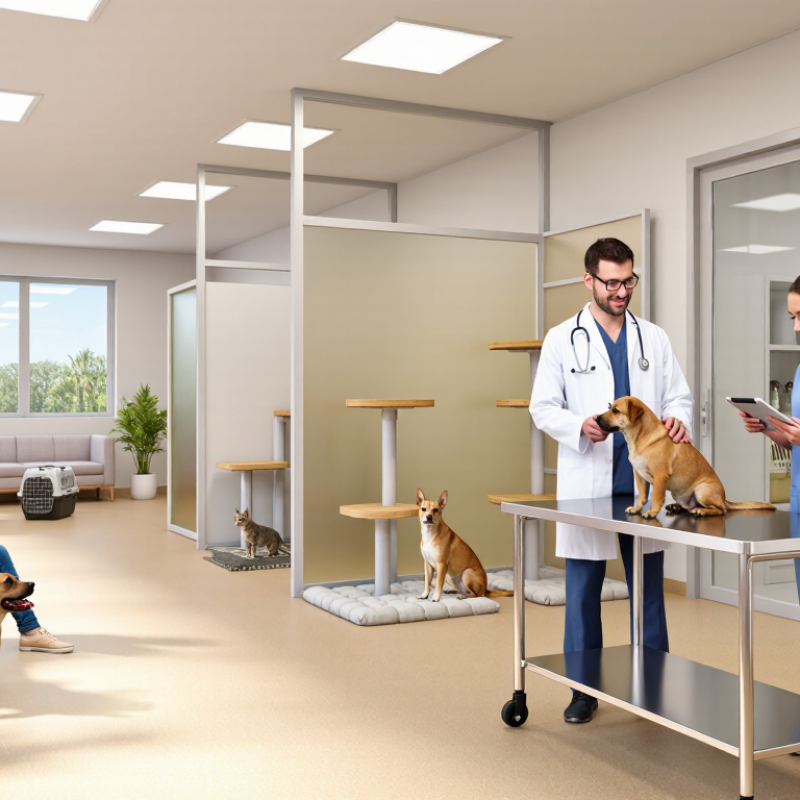
2026 Top Guide How to Set Up a Small Animal Clinic?

Define the Clinic’s Scope, Services, and Target Animal Patients

Define the Clinic’s Scope, Services, and Target Animal Patients

A small animal clinic should begin with a narrow, written scope. Decide whether the practice will treat dogs and cats only, or include rabbits and other companion species. The 2023–2024 APPA National Pet Owners Survey estimates 65.1 million U.S. households own dogs, while 46.5 million own cats. These figures suggest strong demand, but local demographics still matter more. Review nearby clinics, transport patterns, housing types, and emergency access before signing a lease.

Services must match the team’s training, equipment, and opening hours. A practical starting menu may include wellness examinations, vaccinations, parasite control, dentistry, nutrition guidance, basic laboratory testing, and minor surgery. The American Animal Hospital Association’s standards emphasize documented protocols, pain management, preventive care, and clear client communication. Build referral relationships for advanced imaging, intensive care, and complex surgery. Do not advertise services the clinic cannot deliver safely.

Patient selection also affects room design. Cats need quiet waiting areas and elevated hiding spaces. Dogs need washable floors, secure entrances, and separate examination flow when possible.

I would avoid accepting every species during the first year. That sounds limiting, but it protects clinical quality.

My first planning draft would probably include too many services. Recheck it against staffing, inventory, and after-hours coverage every quarter. Reliable care depends on fewer promises, consistently delivered.

Assess Legal, Financial, and Location Requirements

2026 Top Guide: How to Set Up a Small Animal Clinic

Assessing legal requirements should come before signing a lease. Rules differ by city, region, and professional licensing authority. Confirm zoning, building permits, veterinary registration, and clinical waste procedures. A qualified attorney can review ownership structures and employment contracts. Ask regulators for written guidance. Verbal answers may create confusion later.

Financial planning needs more than rent and equipment estimates. Prepare a budget covering renovation, diagnostic tools, insurance, utilities, software, staff wages, and several months of operating costs. Keep a separate reserve for equipment repairs and slow opening weeks. Cash flow matters more than attractive revenue forecasts. My early estimates often looked too optimistic. Recheck them with an accountant and local salary data.

Location affects safety, visibility, and long-term workload. Look for dependable parking, accessible entrances, suitable drainage, and clear delivery access. Nearby residential areas may provide regular clients, but noise and waste controls still matter. Inspect plumbing, ventilation, electrical capacity, and room sizes before approval. A cheap unit can become expensive after hidden repairs. Visit during busy hours. Notice traffic, lighting, and how easily owners can carry anxious animals inside. Keep space for separate examination areas when possible, because practical layouts reduce stress for animals and staff.

2026 Top Guide: How to Set Up a Small Animal Clinic?

Assessing legal, financial, and location requirements through a typical initial planning budget

The estimated initial budget is approximately $360,000. Leasehold improvements and working capital usually require the largest allocations, while permits, legal setup, insurance, and compliance costs should be confirmed with local authorities before signing a lease. Actual costs vary by city, facility size, staffing model, and regulatory requirements.

Design the Facility and Select Essential Medical Equipment

2026 Top Guide: How to Set Up a Small Animal Clinic?

A small animal clinic should feel calm, washable, and easy to observe. Start with separate zones for reception, consultation, treatment, surgery, imaging, pharmacy storage, and waste handling. Keep dogs and cats apart where possible. The 2022 AVMA U.S. Pet Ownership and Demographics Sourcebook reported about 63.8 million U.S. dog-owning households and 42.7 million cat-owning households. That demand supports flexible exam rooms, not oversized corridors. Use non-slip flooring, rounded work surfaces, sealed cabinets, and bright, shadow-controlled lighting. Patients notice noise.

Select equipment around daily workflow. Each exam room needs a reliable scale, examination light, thermometer, otoscope, stethoscope, and secure computer access. The treatment area may require an oxygen source, anesthetic monitoring, infusion pumps, a multiparameter monitor, suction, and a small autoclave. Imaging equipment should match case volume and staff training. Buying everything at launch is tempting, but often wasteful. I would reserve space and power for future upgrades instead.

The U.S. Bureau of Labor Statistics projects 20% veterinarian employment growth from 2022 to 2032, with about 13,900 annual openings. Staffing pressure may increase. Design for two-person procedures, clear cable routes, adjustable tables, and visible emergency supplies. Follow current infection-control guidance and local facility requirements. A perfect layout is unlikely. Test the room with staff before opening, then revise what slows them down.

Build the Veterinary Team and Establish Operating Procedures

A small animal clinic needs defined roles before it needs more equipment. Assign a veterinarian as clinical lead, a technician as treatment coordinator, and a receptionist as client-flow owner. The U.S. Bureau of Labor Statistics projects 20% employment growth for veterinarians and veterinary technicians from 2022 to 2032. This signals stronger competition for qualified staff. (BLS Occupational Outlook Handbook, 2024)

Write procedures for opening, triage, anesthesia, medication handling, cleaning, discharge, and closing. Each procedure should name the responsible role, required supplies, and escalation point. Keep a printed emergency checklist beside the treatment table. Practice it monthly. Short drills expose weak handoffs quickly. The American Animal Hospital Association’s 2023 industry reporting highlights staffing pressure and retention as continuing operational concerns. A realistic clinic should schedule protected training time, not simply expect learning between appointments. That plan may reduce daily capacity at first. It is still safer.

Use a five-minute morning briefing to review surgeries, anxious patients, stock shortages, and follow-up calls. Track appointment delays, treatment errors, staff turnover, and missed rechecks. Review these numbers every week. Do not hide poor results. A new clinic may discover that its elegant workflow fails during a busy afternoon. Revise one step, test it, and record the change. Clear documentation supports consistency, accountability, and safer patient care.

Launch the Clinic and Maintain Safe, Compliant Patient Care

Launching a small animal clinic requires more than choosing a convenient location. Patient safety should shape every room, workflow, and purchasing decision. A licensed veterinarian must define clinical protocols, while local authorities should confirm facility, sanitation, waste, and staffing requirements. Keep treatment areas separate from reception and isolation spaces. This reduces avoidable contact between healthy and infectious animals.

Create written procedures for triage, restraint, medication storage, anesthesia, cleaning, and emergencies. Record temperatures for refrigerated medicines each day. Label every sample immediately. Use two identifiers before giving treatment.

Clear handwashing points should sit near examination and procedure areas. Staff need practical training, not only signed forms. Run short drills for oxygen failure, bite injuries, and sudden patient deterioration.

Reliable records support safer decisions. Document consent, findings, dosages, monitoring results, discharge instructions, and follow-up calls. Review incidents without blaming individuals. Our first stock count was inaccurate, and an expired item nearly stayed on the shelf. Now, one person checks supplies weekly, and another verifies the record. The system is slower, but safer. Still, no checklist replaces attention. A tired team can miss a quiet warning, such as pale gums or a changing breathing pattern. Schedule breaks, limit overcrowded appointments, and invite staff to report weak points before they become patient harm.

FAQS

What legal requirements should be checked before leasing a clinic?

Confirm zoning, building permits, veterinary registration, waste procedures, and staffing rules. Request written guidance from local authorities. Verbal answers can cause confusion later.

What costs should a small animal clinic budget include?

Include renovation, equipment, insurance, utilities, software, wages, and several months of operating expenses. Keep a separate repair reserve. Cash flow matters more than optimistic revenue forecasts.

How can a clinic location support safer daily operations?

Look for dependable parking, accessible entrances, suitable drainage, and clear delivery access. Inspect plumbing, ventilation, electricity, and room sizes. Visit during busy hours.

What facility zones are useful in a small animal clinic?

Separate reception, consultation, treatment, surgery, imaging, storage, and waste areas. Keep dogs and cats apart when possible. Calm spaces reduce stress.

Which equipment is essential at opening?

Exam rooms need scales, lights, thermometers, otoscopes, stethoscopes, and secure computers. Treatment areas may need oxygen, monitoring equipment, infusion pumps, suction, and sterilization tools.

Should a new clinic purchase every medical device immediately?

Not usually. Match equipment to expected case volume and staff training. Reserve space, electricity, and access for future upgrades. Buying everything early can waste cash.

How should the clinic prepare staff for emergencies?

Write procedures for triage, restraint, medication storage, anesthesia, cleaning, and emergencies. Run short drills for oxygen failure, injuries, and sudden deterioration. Signed forms are not enough.

How can patient records and stock checks improve safety?

Record consent, findings, dosages, monitoring results, discharge advice, and follow-up calls. Label samples immediately. Use two identifiers before treatment. Check supplies weekly.

What common planning mistake should clinic owners reconsider?

Early estimates may look too optimistic. A cheap unit can hide expensive repairs. Test the layout with staff before opening, then change slow steps. Perfect planning is unlikely.

Conclusion

This guide explains how to set up a small animal clinic from the initial concept through daily operation. It begins by defining the clinic’s scope, available services, and target patients, such as dogs, cats, or other companion animals. It then covers the practical requirements for choosing a suitable location, preparing a realistic budget, and meeting all applicable registration, licensing, health, safety, and professional standards.

The guide also outlines how to design an efficient facility with welcoming reception areas, examination rooms, treatment spaces, proper sanitation systems, and essential medical equipment. It emphasizes recruiting qualified veterinary and support staff, creating clear operating procedures, maintaining accurate patient records, and establishing reliable emergency and infection-control practices. Finally, it describes how to launch the clinic responsibly, monitor service quality, protect patient and staff safety, and regularly improve operations through training, careful financial management, and compliance reviews.

Sienna

Sienna

Sienna is a skilled marketing professional with a deep expertise in our company’s core products and services. With a passion for innovation and detail, she plays a pivotal role in crafting insightful blog posts that not only highlight the unique features of our offerings but also provide valuable......