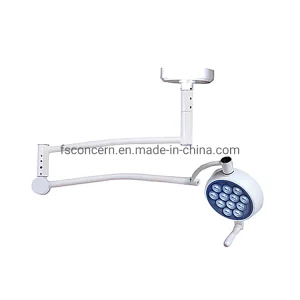
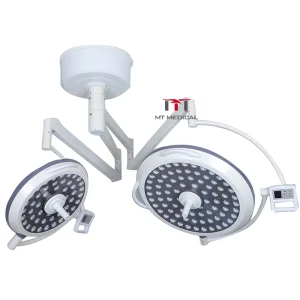
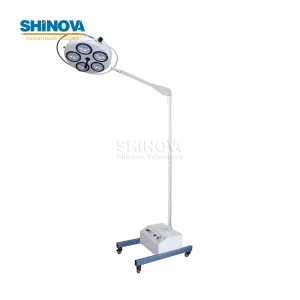
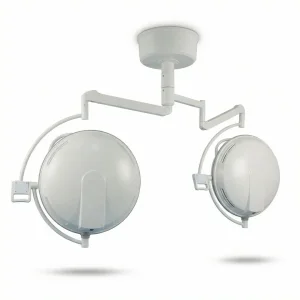
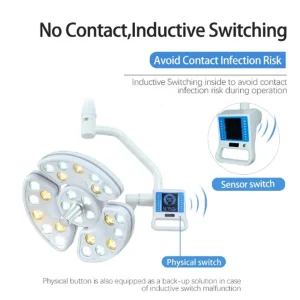
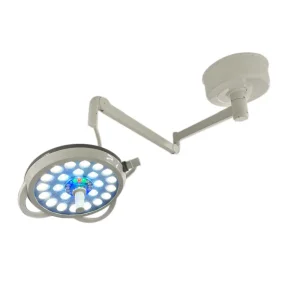
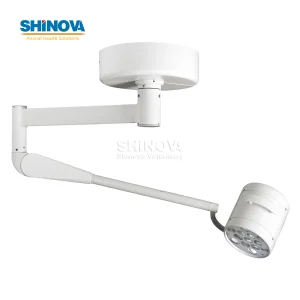
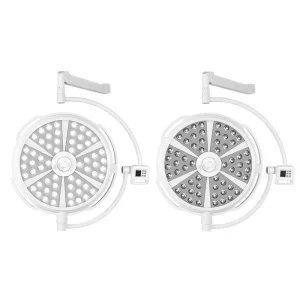
The global market for Veterinary Operating Lights has witnessed a paradigm shift over the last decade. As pet ownership continues to rise globally—particularly in North America, Europe, and emerging markets in Asia—veterinary medicine has evolved from basic care to highly specialized surgical procedures. This transition has necessitated medical-grade lighting equipment that matches the standards of human hospitals but is tailored for animal anatomy and clinical workflows.
Current industrial data indicates a rapid transition from traditional Halogen lamps to advanced LED (Light Emitting Diode) technology. LED lights are preferred due to their "cold light" properties, which prevent tissue desiccation during long surgeries—a critical factor when operating on small companion animals where heat sensitivity is high. Manufacturers are now focusing on enhancing the Color Rendering Index (CRI) and R9 values, ensuring that veterinarians can distinguish between various shades of red and pink tissue with absolute clarity.
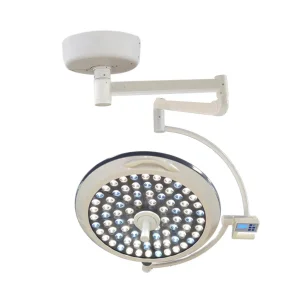
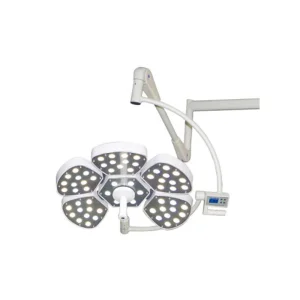
Modern veterinary surgery often involves multiple practitioners or complex equipment placement. Advanced shadowless technology uses multi-source lens arrays to ensure that even if the surgeon's head or hands block part of the light, the operating field remains perfectly illuminated.
Factories are now producing lights that allow veterinarians to adjust color temperature (from 3500K to 5000K). This helps in different surgical scenarios—warmer light for better bone contrast and cooler light for soft tissue procedures.
With the rise of "Tele-veterinary" and surgical recording for education, many operating lights now come equipped with integrated 4K cameras and wireless transmission modules, allowing real-time streaming of surgeries.
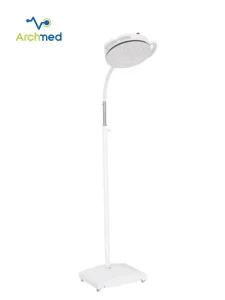
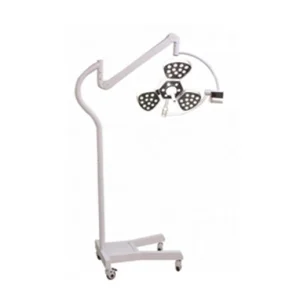
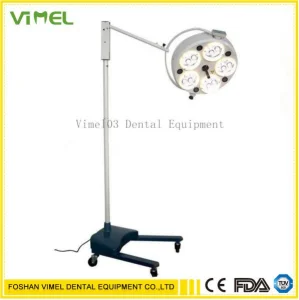
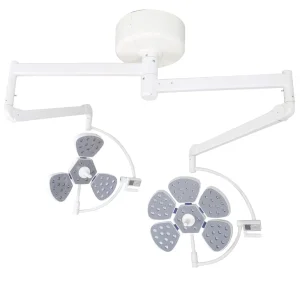
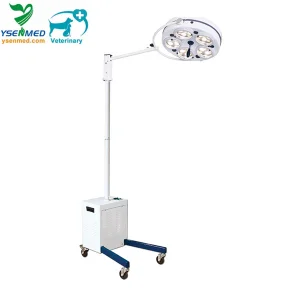
Global procurement needs for veterinary lighting vary by region but share a common demand for reliability and ease of maintenance. In the European and North American markets, clinics prioritize ergonomics and integration with ceiling-mounted supply units. In contrast, emerging markets in Southeast Asia and Latin America often demand mobile, stand-type units that provide flexibility in smaller clinic spaces.
Local Application Scenarios:
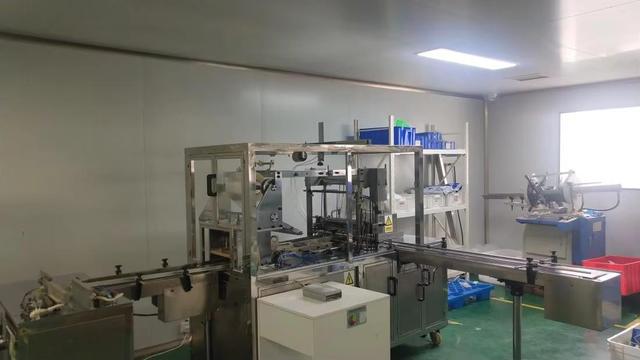
As a leading China-based manufacturer, Hangzhou WellData Medical Co., Ltd. leverages the world's most robust medical supply chain to offer high-performance veterinary lights at competitive price points. Our advantage lies in our ability to integrate R&D innovation with manufacturing precision.
Hangzhou WellData Medical Co., Ltd. is a professional manufacturer and supplier specializing in advanced veterinary medical equipment and integrated animal healthcare solutions. The company focuses on the research, development, production, and global distribution of high-quality systems designed for modern veterinary clinics, animal hospitals, and emergency pet care centers.
With a strong emphasis on innovation and precision engineering, WellData Medical provides a comprehensive product portfolio covering Pet ICU units, oxygen therapy systems, veterinary patient monitoring devices, diagnostic imaging solutions, and critical care support equipment. Our lighting solutions are designed to meet international quality standards such as ISO and CE certifications.
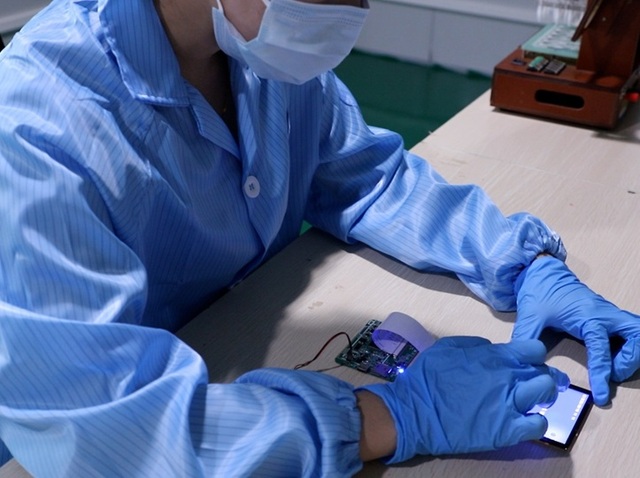

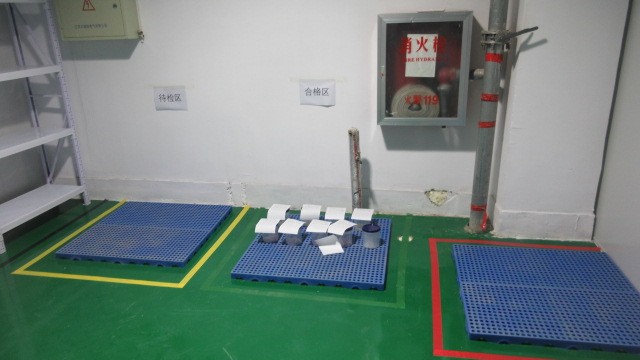

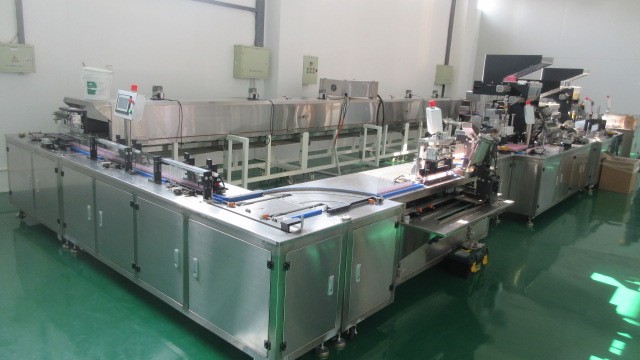
By combining advanced medical engineering with animal care expertise, WellData Medical continues to support veterinarians with safer, smarter, and more efficient treatment technologies, aiming to become a trusted global partner in veterinary critical care and diagnostic solutions.
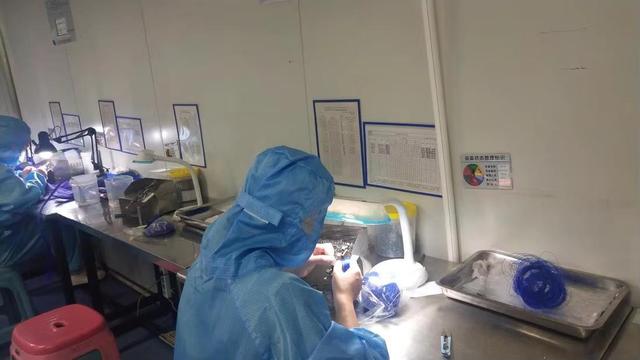
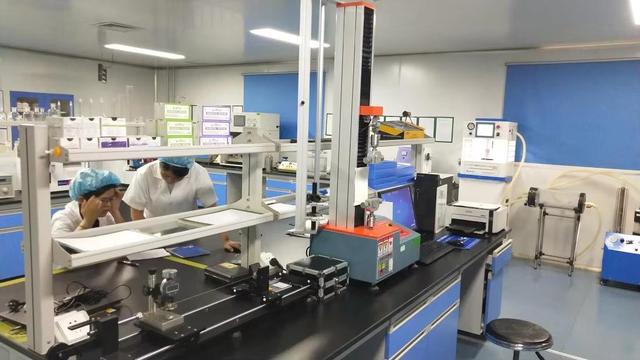
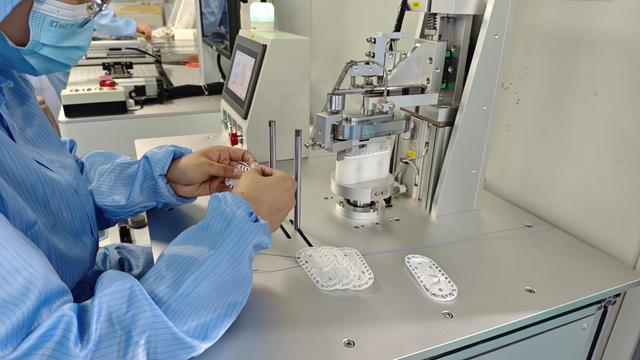
Our factories utilize CAD-designed reflectors and specific LED positioning to ensure a shadow dilution rate of over 95%. This is essential for delicate neurosurgery or orthopedic procedures in animals.
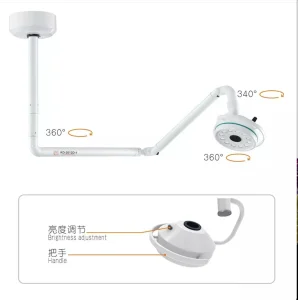
Equipped with high-quality German or high-grade domestic spring arms, our lights offer 360-degree rotation and stable positioning, ensuring the light stays exactly where the surgeon needs it.
The streamlined, enclosed lamp head design minimizes air turbulence and is easy to clean with standard disinfectants. Removable, autoclavable handles allow for sterile adjustments during surgery.
 WellData Medical