Emergency care in veterinary clinics depends on preparation, calm decisions, and reliable supplies. When a dog arrives after a road accident, every minute matters. A cat with breathing difficulty may need oxygen, monitoring, and gentle restraint within moments. This is why China’s best vet emergency supplies should support practical workflows, not simply fill storage shelves. Essential equipment may include oxygen systems, suction units, fluid administration sets, bandages, wound-care products, thermometers, pulse oximeters, and protective equipment. Each item should be clearly labeled, accessible, and checked before an emergency occurs.
The central question is how to manage emergency situations in animal clinics while protecting patients and staff. A trained team should assess airway, breathing, circulation, consciousness, and pain. Written protocols can reduce hesitation during stressful cases. Supplies must also be inspected for damage, expiration dates, battery life, and compatibility with different animal sizes. Experience shows that small details matter, such as keeping pediatric masks beside oxygen equipment or placing sterile gauze near the treatment table. Nothing is perfect.
Even well-equipped clinics can face shortages, unclear roles, or delayed communication. Reviewing these weaknesses after each case can improve future performance. Veterinary professionals should select suppliers with documented quality controls, consistent product specifications, and responsive technical support. Purchasing decisions should consider durability, training needs, cleaning procedures, and appropriate use. Reliable emergency preparation is not about owning every product. It is about having the right tools, maintaining them properly, and using them with informed clinical judgment when an animal cannot wait.
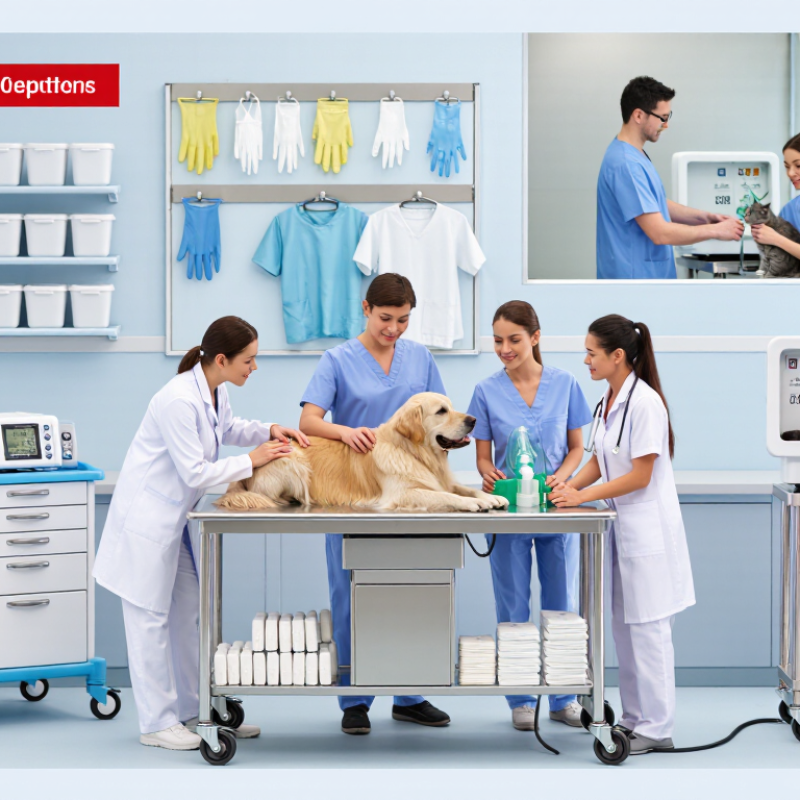
China Best Vet Emergency Supplies: How to Manage Emergencies?
Understanding Veterinary Emergencies and Response Priorities
A veterinary emergency can change within minutes. Breathing difficulty, uncontrolled bleeding, collapse, poisoning, and severe trauma require immediate assessment. The first priority is safety for the animal, owner, and veterinary team. Wear gloves, reduce noise, and keep the patient warm unless overheating is suspected. A quiet room often prevents additional stress.
Triage should follow basic priorities: airway, breathing, circulation, neurological status, and temperature. Check gum color, breathing effort, pulse quality, and responsiveness. Useful emergency supplies include oxygen equipment, suction, intravenous catheters, sterile fluids, bandages, thermometers, and a pulse oximeter. Prepare airway support tools and clearly labeled medication storage. Every item must be checked, clean, and easy to reach.
Do not delay referral.
A collapsed dog may need oxygen before transport. A bleeding cat may require gentle pressure with sterile gauze, not repeated dressing removal. Keep records of symptoms, timing, vital signs, and treatments given. This information helps the receiving veterinarian make faster decisions. Staff should practice emergency roles regularly, although real cases rarely follow the training script. No kit is perfect. Expired supplies, missing batteries, or poor lighting can undermine good preparation. Reviewing these failures honestly improves reliability and patient care.
China Best Vet Emergency Supplies: How to Manage Emergencies?
Selecting Reliable Veterinary Emergency Supplies from China
Choosing veterinary emergency supplies from China requires more than comparing prices. Start with products suited to real clinic conditions, such as sterile dressings, fluid administration sets, syringes, bandages, and protective gloves. Check material specifications, package integrity, expiry dates, and storage requirements. Small details matter.
Ask suppliers for product samples, batch records, test reports, and clear quality-control procedures. A factory audit can reveal clean production areas, calibrated equipment, and trained inspection staff. Request traceability from raw materials to final shipment. This supports safer purchasing and faster problem solving during urgent treatment. Do not rely on photographs alone.
Test samples with veterinary professionals before placing a large order. Examine whether gloves tear, adhesive stays secure, or packaging opens smoothly with wet hands. It sounds simple. Yet rushed evaluation causes avoidable mistakes. Suppliers should explain complaint handling, replacement procedures, and shipping conditions. They should also provide documents required by your region’s veterinary and medical-supply regulations.
A reliable supplier communicates clearly when specifications change. One weakness remains: no audit predicts every delivery problem. I would keep backup stock and review each shipment on arrival. Record damaged packaging, inconsistent sizes, and delayed documents. These observations improve future purchasing decisions and protect the team, the animal, and the treatment process.
Selecting reliable veterinary emergency supplies from China starts with matching equipment to evidence-based CPR response targets for dogs and cats.
The chart shows RECOVER CPR rate targets: chest compressions at 100–120 per minute and ventilation at 10 breaths per minute. These targets help veterinary teams evaluate timers, metronomes, bag-valve masks, ventilators, and related emergency equipment. Always follow current veterinary CPR protocols and local clinical requirements.
Source: Reassessment Campaign on Veterinary Resuscitation (RECOVER), CPR Guidelines for Dogs and Cats.
In a veterinary emergency, assessment must be calm, fast, and repeatable. Use gloves, a thermometer, a stethoscope, gauze, bandages, and a reliable light. Keep oxygen equipment and a transport carrier ready. Do not let supplies create false confidence. Begin with airway, breathing, and circulation. Watch chest movement, gum color, pulse quality, and capillary refill. Check temperature, bleeding, pain, mentation, and visible injuries. Record the time and each change. For example, pale gums, weak pulses, and cold paws may indicate shock. However, signs can be subtle, especially in frightened cats. Reassess frequently.
Provide oxygen when breathing is difficult, following veterinary direction and equipment instructions. Apply firm, continuous pressure to external bleeding with clean gauze. Keep a weak animal warm, but avoid direct heat against the skin. Move suspected fractures with minimal handling and secure the body carefully. Never force food or water into an unconscious or vomiting animal. These actions buy time; they do not replace urgent professional treatment. Call the veterinary hospital while preparing transport. Share vital signs, suspected toxins, medications, and the exact timeline.
From practical handling, I have learned that preparation reduces dangerous hesitation. Still, checklists are imperfect. A loose battery, expired dressing, or empty oxygen cylinder can undermine good care. Inspect supplies after every use and document replacements. One common mistake is focusing on the wound while missing breathing deterioration. Another is delaying transport because the animal briefly appears better. Reassessment must continue until a veterinary professional takes over.
Using emergency supplies in common veterinary emergencies requires calm judgment and quick veterinary advice. A practical kit should contain disposable gloves, sterile gauze, bandages, saline, blunt scissors, a digital thermometer, a towel, and a secure carrier.
Keep the animal’s medical records, medication list, weight, and emergency clinic number nearby. Small details matter during panic.
For heavy bleeding, wear gloves and press clean gauze firmly against the wound. Hold pressure for several minutes without repeatedly lifting the pad. Add another layer if blood passes through.
Do not use household powders or tighten a bandage until circulation stops. Pale gums, weakness, or rapid breathing require urgent transport.
In a choking event, open the mouth only if the object is clearly visible. Never push blindly into the throat.
Heatstroke needs immediate action. Move the animal into shade, wet the paws and body with cool water, and provide airflow. Avoid ice baths. Contact a veterinarian while preparing transport.
For suspected poisoning, keep the container or substance sample, but do not induce vomiting unless a veterinarian instructs you.
A towel can support a painful animal, while a carrier reduces movement after a suspected fracture.
I have noticed one weakness in many kits: supplies are present, but nobody checks expiration dates.
Practice handling them calmly. Mistakes still happen.
Recheck the kit monthly.
Reliable emergency care depends on trained veterinary response teams, not supplies alone. Each clinic should appoint clear roles before an incident occurs. One person assesses the animal, while another prepares treatment equipment. A third member records vital signs, medications, and timing. This reduces confusion during severe bleeding, breathing problems, poisoning, or trauma.
Supplies should include sterile dressings, bandages, gloves, syringes, fluid lines, thermometers, oxygen accessories, and basic monitoring tools. Every item needs a fixed storage location. Staff must check expiry dates, package damage, and battery levels regularly.
Training should feel practical, not theoretical. Use realistic drills with a frightened animal mannequin or a calm volunteer animal. Practice moving stretchers through narrow doors. Test communication when noise fills the treatment room.
After each drill, discuss delays and unclear instructions. Small failures matter. They reveal weak points before a real emergency. Teams should also refresh skills after staff changes or long periods without incidents. Even experienced workers can forget steps under pressure.
Tips: Keep an inventory sheet beside the emergency cabinet. Mark low-stock items immediately. Store oxygen equipment where staff can reach it quickly. Review emergency contacts every month. Let newer team members lead some drills. Their questions may expose outdated routines. Avoid storing everything together without labels. That shortcut often wastes valuable minutes.
Protect the animal, owner, and veterinary team. Check the airway, breathing, circulation, neurological response, and temperature. Look at gum color, breathing effort, pulse quality, and responsiveness. Keep the patient warm unless overheating is suspected.
Useful items include gloves, sterile gauze, bandages, saline, scissors, and a thermometer. A secure carrier and towel can reduce movement and stress. Clinics may also need oxygen equipment, suction tools, catheters, fluids, and a pulse oximeter. Keep everything clean and easy to reach.
Wear gloves and press sterile gauze firmly against the wound. Maintain pressure for several minutes. Do not repeatedly lift the gauze to inspect the wound. Add another layer if blood passes through. Pale gums or weakness need urgent veterinary care.
Open the mouth only when the object is clearly visible. Never push blindly into the throat. Seek urgent veterinary help, especially with breathing difficulty or collapse. Small mistakes can become serious.
Keep the container or a safe substance sample for the veterinarian. Record what happened and when exposure may have occurred. Do not induce vomiting unless a veterinarian specifically instructs you. Contact professional help while preparing safe transport.
Move the animal into shade and provide airflow. Wet the paws and body with cool water. Avoid ice baths. Contact a veterinarian during transport preparation. Rapid breathing, weakness, or collapse requires immediate attention.
Check materials, packaging, expiry dates, storage needs, and batch records. Request samples, test reports, and traceability documents. Inspect production areas, equipment, and quality-control procedures when possible. Do not rely on photographs alone. A low price may hide practical problems.
Veterinary staff should test samples before placing large orders. Check whether gloves tear or adhesive remains secure. Open packaging with wet hands to imitate stressful conditions. Review every shipment for damage, inconsistent sizes, and missing documents. I still overlook small checks sometimes. Monthly review helps.
Managing emergencies in animal clinics requires a structured approach that prioritizes safety, rapid assessment, and timely intervention. Veterinary teams should first identify the urgency of each case, check airway, breathing, circulation, consciousness, and visible injuries, then stabilize the animal before completing a detailed examination. Reliable veterinary emergency supplies from China may include bandages, sterile instruments, fluid administration equipment, oxygen accessories, monitoring devices, protective gear, and basic resuscitation tools. Supplies should be selected according to quality, usability, storage conditions, and the clinic’s common emergency needs.
Knowing how to manage emergency situations in animal clinics also involves preparing for trauma, poisoning, breathing difficulties, shock, bleeding, and sudden illness. Each item should be clearly organized, regularly inspected, and replaced before expiration or damage occurs. Routine drills and role-based training help veterinary teams communicate efficiently, control stress, protect staff and animals, and provide consistent emergency care until the patient is stable or referred for advanced treatment.

WellData Medical