Why Is Early Diagnosis Important for Pets Top 10 Reasons?

Time:2026-10-01 Author:Mason
0%

When a pet suddenly stops eating, hides beneath the bed, or struggles to climb the stairs, small changes can signal a serious problem. This raises an important question: why is early diagnosis important for pets? Early veterinary assessment can identify disease before symptoms become severe, painful, or difficult to manage. Cats often conceal discomfort, while dogs may continue playing despite illness. A quiet change in behavior may matter more than it appears.

Veterinarians use physical examinations, medical histories, laboratory tests, and imaging to understand these warning signs. Early findings can support faster treatment, improve comfort, and sometimes reduce long-term costs. They may also help protect other animals when an infection is possible. A timely appointment gives owners clearer choices and helps veterinary teams create a more suitable care plan. Every pet deserves that chance.

Still, early diagnosis is not a guarantee of recovery. Some conditions progress quickly, and initial tests may not reveal the complete picture. I have seen how easy it is for owners to dismiss one missed meal or a slower walk. That hesitation can become important. Careful observation remains essential, even after a reassuring visit. Keep notes about appetite, water intake, breathing, stool, urination, mobility, and mood. Share specific details with a licensed veterinarian rather than relying on online guesses. The following ten reasons explain why prompt evaluation can support safer decisions, better welfare, and more informed lifelong care for pets.
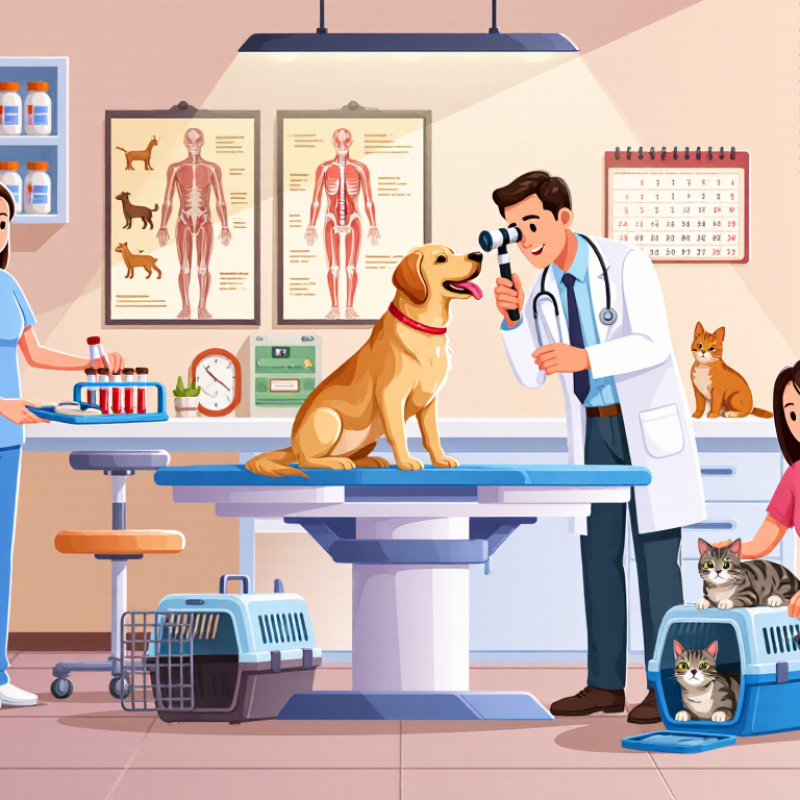
Why Is Early Diagnosis Important for Pets Top 10 Reasons?

What Early Diagnosis Means in Pet Healthcare

Early diagnosis means finding disease before obvious suffering appears. It is more than noticing a lump or reduced appetite. A veterinarian combines history, physical examination, laboratory tests, imaging, and previous records. This creates a baseline for comparison. Silence is deceptive.

The American Veterinary Medical Association’s 2022 U.S. Pet Ownership and Demographics Sourcebook counted about 63.8 million dog-owning households and 42.7 million cat-owning households in the United States. That scale makes preventive detection important. The International Renal Interest Society reports that chronic kidney disease can affect up to 30% of older cats. Early bloodwork, urinalysis, and blood-pressure checks may reveal changes before weight loss or vomiting begins. The American Animal Hospital Association and feline veterinary guidelines recommend regular life-stage examinations, with shorter intervals for senior pets. Yet no screening plan is perfect. A normal result today does not guarantee health tomorrow. That limitation deserves honest discussion.

Tips: Record appetite, water intake, urine volume, breathing, sleep, and mobility each week. Bring these notes to appointments. Ask which tests fit your pet’s age, breed, and medical history. Small clues matter. Avoid assuming slower movement is “just aging.” A stiff morning walk may reflect arthritis, pain, or another treatable condition. Ask when testing should be repeated, especially after borderline results. Data supports vigilance, but clinical judgment still matters.

How Early Detection Reveals Hidden Pet Health Problems

Why Is Early Diagnosis Important for Pets? Top 10 Reasons

Pets often hide discomfort until a problem becomes difficult to ignore. A quiet dog may have early kidney disease, while a playful cat may develop dental pain. Early detection helps veterinarians find these hidden changes before appetite, movement, or behavior declines. Small clues matter. Increased thirst, a wet patch near the water bowl, or slower stair climbing can guide a closer examination.

Routine visits create useful health baselines. A veterinarian can compare weight, heart sounds, gum color, blood pressure, and laboratory results over time. Blood and urine tests may reveal kidney stress, diabetes, infection, or liver changes before obvious symptoms appear. Imaging can also identify a small mass or joint problem that an external examination cannot confirm. These findings allow treatment plans to begin earlier, when options may be simpler and less costly.

No test is perfect. That deserves honest attention. Some results need repeating, and healthy-looking pets can still surprise us. Owners should record changes in drinking, toileting, sleep, breathing, and daily habits. A short video of unusual movement may help during an appointment. Early diagnosis does not guarantee a cure, but it can reduce uncertainty and prevent quiet problems from becoming emergencies. A pet that suddenly hides under furniture may be communicating more than fear.

Why Timely Diagnosis Improves Treatment Options

Why Is Early Diagnosis Important for Pets? Top 10 Reasons

Timely diagnosis can preserve treatment choices. A small lump may be removable today, but harder to manage after it spreads. The Veterinary Cancer Society reports that cancer causes nearly half of deaths in pets over ten years old. Earlier imaging, blood testing, or biopsy may reveal disease before visible decline. This can support surgery, targeted medication, dietary care, or careful monitoring. It also gives families more time to compare benefits, risks, and costs with a veterinarian.

Early testing does not guarantee a perfect outcome. No test is perfect. A 2021 guideline from the American Association of Feline Practitioners recommends at least yearly examinations for adult cats, with more frequent visits for senior cats. These visits can detect weight loss, dental pain, kidney changes, or subtle mobility problems. The American Animal Hospital Association also links regular preventive examinations with earlier recognition of age-related conditions. Delaying care because a pet still eats or plays can be misleading. Animals often hide discomfort.

Tips: Record changes in appetite, thirst, stool, breathing, sleep, and movement. Photograph new lumps beside a coin for scale. Bring medication details and dates to the appointment. Ask what may change if testing happens this week instead of next month. If finances influence decisions, say so openly. A staged diagnostic plan may protect both treatment options and household resources. Reconsider assumptions when symptoms persist, even after an initially reassuring result.

Why Is Early Diagnosis Important for Pets? Top 10 Reasons

Timely veterinary examinations can identify health problems before symptoms become severe. Preventive visits are generally more frequent during early life and again during the senior years, when health conditions may develop more quickly.

How early diagnosis improves treatment options

Early detection can provide more time for diagnostic testing, monitoring, dietary or lifestyle changes, medication, and less invasive treatment. It may also help reduce preventable complications, improve comfort, and support better-informed decisions when a condition progresses.

The chart uses commonly recommended wellness-visit patterns: multiple examinations during the puppy or kitten vaccination period, at least annual examinations for healthy adult pets, and examinations about twice yearly for senior pets. Individual schedules vary by species, breed, medical history, and veterinarian advice.

How Early Care Reduces Pain, Risks, and Medical Costs

Why Is Early Diagnosis Important for Pets? Top 10 Reasons

How Early Care Reduces Pain, Risks, and Medical Costs

When a dog stops climbing stairs or a cat hides during meals, the change may seem minor. These signs can indicate dental disease, arthritis, kidney problems, or another condition. Early veterinary assessment can identify the cause before discomfort becomes severe. Pets often conceal pain surprisingly well. A quiet pet is not always a comfortable pet.

Early care may allow simpler treatment, fewer emergency visits, and shorter recovery periods. Blood tests, dental checks, imaging, or a physical examination can reveal problems owners cannot see at home. Treating inflammation early may protect movement. Managing an infection quickly may prevent damage to nearby organs. It can also reduce the need for intensive procedures, which are often more expensive.

Costs still depend on the diagnosis, location, and treatment plan. No test can promise certainty. Veterinary decisions should consider the pet’s age, history, behavior, and daily environment. Owners can help by recording appetite, water intake, stool changes, breathing, and mobility. A short video may show a veterinarian something missed during a brief clinic visit. Waiting for obvious suffering is understandable, but it is not always the kindest or cheapest choice. Catching every change is difficult, and owners will sometimes overlook early clues.

What Pet Owners Can Do to Support Early Diagnosis

Early diagnosis often begins at home, not in the examination room. Pet owners notice daily changes that routine visits may miss. Track appetite, water intake, sleep, stool, breathing, mobility, and mood. A simple calendar can reveal patterns.

For example, a cat visiting the water bowl six times overnight deserves attention. Small changes matter. Do not wait for dramatic symptoms. Record dates, amounts, and possible triggers. This information helps a veterinarian distinguish a brief upset from developing illness.

Arrange regular wellness examinations, even when your pet appears healthy. Ask which tests suit your pet’s age, species, breed, and medical history. Older animals may need blood, urine, dental, or blood-pressure checks. Follow vaccination and parasite-prevention advice from a licensed veterinarian.

Bring medication lists, diet details, and previous test results. A short phone video can show coughing, limping, or unusual breathing more clearly than memory. Never change prescription doses without professional guidance. It can feel excessive. It may prevent a crisis.

Learn your pet’s normal resting breathing rate, gum color, and body condition. Ask the clinic which warning signs require same-day care.

Sudden weakness, repeated vomiting, breathing difficulty, seizures, or inability to urinate need urgent veterinary attention. Avoid online self-diagnosis based on one symptom.

I have seen owners dismiss changes as aging, stress, or pickiness. That assumption can delay useful treatment. Keep transport supplies ready and use familiar bedding during visits. Early diagnosis depends on honest, specific observations shared promptly.

FAQS

Why is early diagnosis important for pets?

Pets often hide discomfort. Early checks can reveal kidney disease, dental pain, diabetes, or joint problems before obvious decline.

What subtle signs should owners watch for?

Notice increased thirst, slower stair climbing, hiding, appetite changes, unusual sleep, or a wet patch near the water bowl.

How can routine veterinary visits help?

Regular visits create health baselines. A veterinarian can compare weight, gum color, heart sounds, blood pressure, and test results over time.

Can blood and urine tests find hidden problems?

They may reveal kidney stress, infection, diabetes, or liver changes before symptoms become clear. Results sometimes need repeating.

How can owners prepare for an appointment?

Record drinking, toileting, breathing, sleep, appetite, and movement. Bring medication details and a short video of unusual behavior.

Can early care reduce pain and medical costs?

Sometimes. Earlier treatment may mean simpler care, fewer emergencies, and shorter recovery. Costs still depend on the diagnosis and treatment plan.

Does early diagnosis guarantee recovery?

No. Tests are not perfect, and early care cannot promise a cure. It can reduce uncertainty and preserve more treatment choices.

What should owners do if a pet still eats and plays?

Do not assume everything is fine. Animals may hide pain while acting normal. Persistent changes deserve professional attention.

How can owners handle financial concerns?

Discuss costs openly. A staged testing plan may balance medical needs with household resources, though delaying care can sometimes limit options.

What mistakes might owners make?

They may overlook gradual changes or trust one reassuring result too quickly. Reconsider the situation if symptoms continue.

Conclusion

Why is early diagnosis important for pets? It helps identify health problems before they become severe, even when animals appear normal or only show subtle changes in behavior, appetite, weight, or energy. Early detection can uncover hidden conditions and give veterinarians more time to understand the cause, confirm a diagnosis, and create an appropriate care plan. This often provides more treatment options and may improve a pet’s comfort, recovery, and long-term well-being.

Timely veterinary care can also reduce unnecessary pain, prevent complications, and lower the risk of emergency treatment or prolonged medical costs. Pet owners can support early diagnosis by scheduling routine checkups, keeping vaccinations and preventive care current, observing daily habits, and reporting unusual changes promptly. Maintaining accurate health records and sharing complete information with the veterinarian can further improve decision-making. Early attention is a practical way to protect a pet’s health and respond to problems before they significantly affect quality of life.

Mason

Mason

Mason is a seasoned marketing professional with a deep expertise in the company's offerings and a passion for driving brand awareness. With a strong background in digital marketing strategies, he has an innate ability to connect with diverse audiences and effectively communicate product benefits.......