Why Is Oxygen Therapy Important for Pets Health?

Time:2026-04-29 Author:Amelia
0%

Oxygen therapy is increasingly recognized as a vital component of pet healthcare. Many pet owners may wonder, "why is oxygen therapy important for pets?" The need for oxygen therapy arises from various health issues. Conditions like pneumonia, asthma, and heart disease can severely affect your pet's breathing. In these situations, oxygen therapy can be life-saving.

Pets, like humans, can experience respiratory distress. This therapy helps alleviate that struggle. It enhances oxygen delivery to vital organs. As a result, it supports recovery and overall health. When our furry friends suffer, prompt intervention is crucial. Lack of oxygen can lead to serious complications. This is why understanding oxygen therapy's role is essential for pet owners.

Despite its benefits, some may question its necessity. Not every pet requires oxygen therapy. The decision should be based on professional veterinary advice. Each case is unique, and there are no one-size-fits-all solutions. Awareness about oxygen therapy can lead to better health outcomes. It empowers pet owners to make informed decisions. This knowledge can change your pet's life for the better.
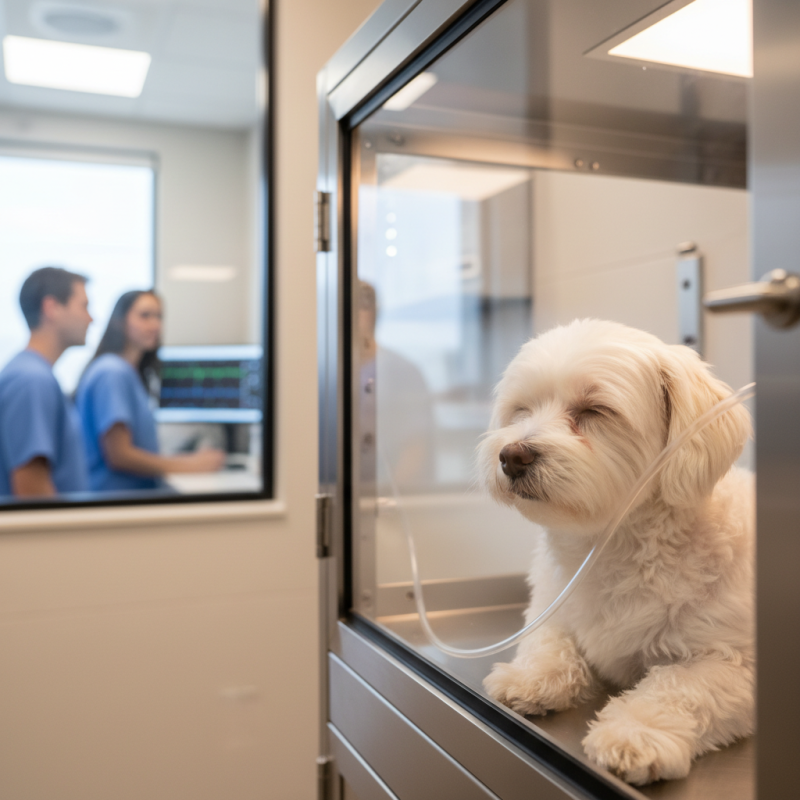
Why Is Oxygen Therapy Important for Pets Health?

What Is Oxygen Therapy and How Does It Work for Pets?

Oxygen therapy can significantly improve the health of pets suffering from respiratory issues. This treatment increases the concentration of oxygen in the blood, helping vital organs function better. According to a study published in the Journal of Veterinary Emergency and Critical Care, about 15% of pets admitted to emergency care exhibit some form of hypoxemia, a condition where oxygen levels drop dangerously low.

How does oxygen therapy work? It can be delivered through various methods, such as face masks, cages, or nasal cannulas. Each approach aims to provide a safe and effective way to help pets breathe easier. Oxygen therapy not only enhances oxygen levels but also can reduce the workload on the heart and lungs. This is crucial for pets with heart disease or pneumonia. However, improper administration may lead to oxygen toxicity. This underlines the importance of veterinary supervision during therapy.

Some pets may show anxiety or discomfort during treatment. Close monitoring can help adjust the oxygen delivery. Studies indicate that proper usage can improve recovery time by up to 30%. Continuous evaluation of the pet's condition is essential. This can ensure a better response to treatment and help mitigate any side effects. Oxygen therapy is a powerful tool, but it requires careful management and professional expertise to be effective.

Importance of Oxygen Therapy for Pets

Oxygen therapy is crucial for pets suffering from various health conditions. This chart illustrates the perceived benefits of oxygen therapy, indicating its importance in improving the overall well-being of pets.

Common Health Conditions in Pets That Require Oxygen Therapy

Oxygen therapy plays a crucial role in managing various health conditions in pets. Respiratory issues are common in animals, ranging from asthma to pneumonia. According to a study published in the Journal of Veterinary Emergency and Critical Care, conditions like congestive heart failure can significantly affect oxygen levels in pets. Supplemental oxygen can alleviate these issues, improving overall health and recovery.


Another condition requiring oxygen therapy is chronic bronchitis in dogs. This condition causes persistent coughing and breathing difficulties. Research shows that up to 25% of older dogs may suffer from respiratory diseases that necessitate oxygen therapy. It’s important to monitor pets closely. Early detection can lead to more effective treatment outcomes.


Additionally, high-altitude sickness can affect pets traveling to elevated areas. Animals may struggle to adjust to reduced oxygen levels. Providing oxygen therapy can prevent severe complications. However, pet owners should seek veterinary guidance. Self-diagnosing can lead to unnecessary stress for both pets and owners. Effective oxygen therapy requires proper monitoring and professional supervision.

Benefits of Oxygen Therapy for Pets: Enhancing Recovery and Well-Being

Oxygen therapy has become a vital tool in pet health. This approach boosts recovery and supports overall well-being. Pets suffering from respiratory issues often require additional oxygen. Conditions like asthma or pneumonia can significantly affect their quality of life.

One major benefit of oxygen therapy is its ability to enhance healing. Pets recovering from surgery or severe illness often experience quicker recovery times. Increased oxygen levels can reduce inflammation and promote faster tissue repair. Many pet owners notice a marked improvement in their pets' energy and mood after treatment.

However, not all pets respond to oxygen therapy the same way. Some may show signs of stress or discomfort during sessions. Monitoring their reactions is essential. Each pet's needs are unique, and what works for one may not work for another. Tailoring the therapy to individual pets can lead to more effective outcomes. Regular consultations with a veterinary professional ensure the best care for your furry friends.

How Is Oxygen Therapy Administered to Pets?

Oxygen therapy can be crucial for pets experiencing respiratory distress. Administering oxygen to pets helps improve their overall health and recovery outcomes. Various methods exist for delivering oxygen, including face masks, nasal cannulas, and oxygen cages. Each technique has its specific applications.

Face masks provide a direct source of oxygen. They are suitable for pets that are calm and can tolerate the mask. However, some pets may resist wearing a mask, making this approach less effective. Nasal cannulas are more comfortable for many pets. They allow for continuous oxygen supply while keeping the pet's mouth free. These cannulas can be used during various treatments, ensuring that the pet remains relaxed.

Oxygen cages offer a controlled environment for pet recovery. They are designed to deliver high concentrations of oxygen without the need for constant monitoring. This method can be beneficial for bulky breeds or pets requiring long-term therapy. The American Veterinary Medical Association suggests this method for pets with chronic respiratory conditions.

While oxygen therapy is a valuable tool, it is essential to monitor pets closely to avoid oxygen toxicity. Identifying the appropriate method for each pet is crucial for effective therapy and successful outcomes in treatment.

Potential Risks and Considerations in Oxygen Therapy for Pets

Oxygen therapy can be beneficial for pets, but it comes with potential risks. When used improperly, it might lead to oxygen toxicity. This condition can cause serious problems, including damage to the lungs or central nervous system. It's essential for pet owners to understand these risks before opting for oxygen therapy.

Monitoring is crucial during treatment. Continuous assessment of your pet's condition is necessary to prevent complications. Some pets may experience anxiety or discomfort while using oxygen therapy. This can lead to stress, which ultimately affects their health. In these cases, a careful and gradual introduction to the therapy is advisable.

Consulting a veterinarian is the best step before starting oxygen therapy. Each pet's needs differ, and a professional can provide tailored guidance. They can weigh the benefits against the risks specific to your pet's situation. Awareness and caution can make a significant difference in your pet's experience and health outcomes.

FAQS

: What is oxygen therapy for pets?

: Oxygen therapy helps pets with respiratory issues by increasing oxygen levels in their blood.

How is oxygen therapy delivered to pets?

It can be administered through face masks, cages, or nasal cannulas.

What conditions can oxygen therapy treat in pets?

It treats conditions like asthma, pneumonia, and congestive heart failure.

Can oxygen therapy be harmful?

Yes, improper administration may lead to oxygen toxicity, stressing the need for veterinary supervision.

How does oxygen therapy impact recovery time?

Proper usage can improve recovery by up to 30% when closely monitored.

What signs indicate my pet may need oxygen therapy?

You might notice breathing difficulties, persistent coughing, or signs of distress in your pet.

Is anxiety common in pets undergoing oxygen therapy?

Some pets may feel anxious or uncomfortable; close monitoring can help adjust treatment levels.

Why is early detection important for respiratory issues?

Early detection allows for more effective treatments and better outcomes for pets.

What should pet owners avoid during oxygen therapy?

Self-diagnosing can lead to stress; always consult with a veterinarian for guidance.

Can altitude affect my pet's health?

Yes, pets may struggle with lower oxygen levels at high altitudes, making oxygen therapy beneficial.

Conclusion

Oxygen therapy is a vital treatment for pets that can significantly improve their health and recovery from various conditions. By delivering concentrated oxygen, this therapy works to alleviate respiratory distress, enhance stamina, and promote healing in pets suffering from ailments such as pneumonia, heart disease, or chronic respiratory issues. Understanding why oxygen therapy is important for pets lies in its ability to support their overall well-being and accelerate recovery processes.

Administered in various ways, including through masks or oxygen cages, oxygen therapy requires careful monitoring due to potential risks. While the benefits far outweigh the considerations, pet owners should always consult with veterinarians to ensure the safety and effectiveness of the treatment. Ultimately, oxygen therapy represents a crucial advancement in veterinary care, helping pets breathe easier and live healthier lives.

Amelia

Amelia

Amelia is a seasoned marketing professional with a wealth of expertise in our company’s core offerings. With an unwavering passion for driving growth and innovation, she plays a pivotal role in shaping our marketing strategies and enhancing brand visibility. A key aspect of her responsibilities......