Top 10 Ways to Monitor Your Pet's Health Condition Effectively?

Time:2026-05-01 Author:Henry
0%

Monitoring a pet's health is crucial for their well-being. An estimated 50% of dogs and cats are overweight, leading to various health issues. This emphasizes the need for pet owners to learn how to monitor a pet’s health condition effectively. Regular check-ups and observation of behavior changes can make a significant difference.

Veterinarians recommend tracking your pet's weight, diet, and activity levels. The American Veterinary Medical Association reports that nearly 70% of pet owners are unaware of their pet's health risks. Being proactive by monitoring your pet can help you identify issues early. Simple actions, like tracking their food intake and noting any mood changes, can be informative.

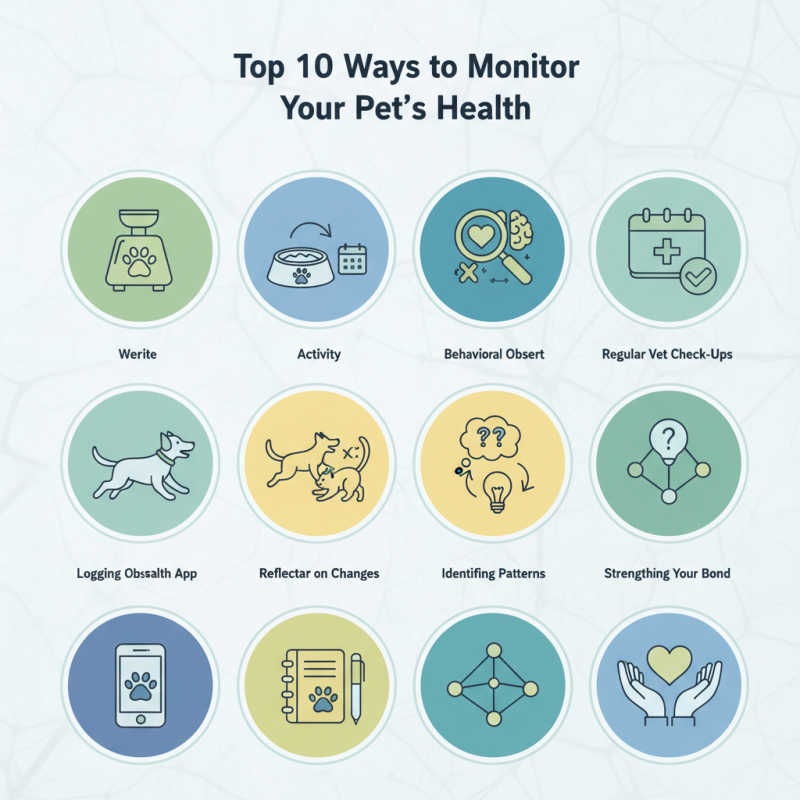
Investing time in understanding your pet’s needs is essential. Use pet health apps or calendars to log observations. Reflect on changes you notice, however minor they may seem. Over time, these records can uncover patterns that highlight potential health concerns. The journey of monitoring your pet's health can also teach you about their unique needs and strengthen your bond.
Top 10 Ways to Monitor Your Pet's Health Condition Effectively?

Understanding Your Pet's Normal Health Metrics

Understanding your pet's normal health metrics is crucial for effective monitoring. Regularly checking vital signs can help identify potential issues early. A typical dog's heart rate ranges from 60 to 100 beats per minute, while a cat's is about 140 to 220. Observe your pet's breathing patterns; normal respiration for dogs is about 10 to 30 breaths per minute. This knowledge allows you to notice any deviations quickly.


Weight plays a vital role too. Keep a consistent check on your pet's weight, as fluctuations could indicate health issues. Regular vet visits can help establish a baseline. Understanding what is normal for your pet is essential. For example, a sudden loss of appetite or lethargy could be minor or severe. Your pet cannot always tell you when something is wrong, so being observant is key.


Monitor your pet's hydration as well. Check for dryness in gums or a decrease in urine output. If your pet’s activity level drops unexpectedly, this should raise some concern. Document any changes in behavior over time. These records may seem trivial but can be invaluable to your veterinarian. Always reflect on your observations; you know your pet best.

Regular Veterinary Check-Ups and Their Importance

Regular veterinary check-ups are crucial for maintaining your pet's health. According to the American Veterinary Medical Association, nearly 70% of pets experience health problems that can go unnoticed. Routine visits allow vets to identify these issues early, before they escalate. For instance, dental disease affects 80% of dogs by age three but can be prevented with regular cleanings.

Monitoring your pet's wellbeing involves more than just eye tests. Blood tests, vaccinations, and parasite screenings are vital. Data from the Veterinary Pet Insurance Company indicates that early diagnosis through check-ups can reduce treatment costs by up to 50%. Timely interventions often lead to better outcomes and less stress for both pets and owners.

Many pet owners underestimate the importance of these visits. They might skip them due to time constraints or financial concerns. However, neglecting regular check-ups can lead to more severe health complications later. An overwhelming 90% of pets with undiagnosed conditions show symptoms only when they are severe. This highlights the need for awareness and commitment to regular veterinary care.

Top 10 Ways to Monitor Your Pet's Health Condition Effectively

Method Frequency Importance Notes
Regular Veterinary Check-Ups Every 6-12 months Essential for early detection Vaccinations and preventative care
Weight Monitoring Monthly Prevents obesity Adjust diet as necessary
Dental Health Checks Every 6 months Prevents periodontal disease Consider dental cleanings
Behavioral Observations Daily Indicates stress or illness Look for changes in routine
Fecal and Urine Samples Annually Detects parasites and kidney issues Consider home testing kits
Vaccination Updates As per vet schedule Prevents infectious diseases Keep vaccination records
Diet Review Quarterly Ensures proper nutrition Consult a vet for changes
Physical Activity Monitoring Weekly Prevents obesity and keeps fit Adjust based on age and breed
Vaccination Side Effects After vaccinations Identifies reactions Monitor closely
Emergency Preparedness Annual Ensures quick response Have a vet contact list

Daily Observation: Behavioral Changes and Symptoms to Note

Monitoring your pet’s health is crucial for their well-being. Daily observation plays a vital role in this process. Start by noting their behavior each day. Changes in activity levels can be significant. A suddenly lethargic pet may be unwell. Conversely, excessive energy could indicate anxiety or excitement.

Pay close attention to eating habits. A decrease in appetite often indicates underlying issues. Watch how much they drink too. Increased thirst could signal health concerns. Additionally, note any unusual vocalizations. A pet that suddenly howls or whines may be in distress.

Physical symptoms are also important to observe. Look for changes in coat quality or skin. Dry skin or excessive shedding warrants a closer look. Lastly, be mindful of their bathroom habits. Diarrhea or difficulty urinating are red flags. Trust your instincts; if something feels off, seek professional advice. Monitoring your pet is a continuous process that requires diligence and care.

Home Health Monitoring Tools for Pets

Monitoring your pet's health at home is crucial for early detection of issues. One effective method is using simple tools like pet scales. Regular weight checks can reveal problems related to diet or illness. An unexpected weight change could indicate underlying health conditions, prompting a vet visit.

Additionally, a pet thermometer is essential. A normal temperature range varies for pets, but a sudden spike may indicate fever. Observing behavioral changes is also a key factor. Increased lethargy or changes in eating habits should raise concerns. Keeping a journal of these observations can help you share vital information with your veterinarian.

While these tools are valuable, they are not foolproof. Relying solely on home monitoring can lead to missed symptoms. It's important to consult a professional if something seems off, even if your tools appear normal. Your pet's well-being depends on a combination of home care and veterinary expertise.

Nutrition and Exercise: Key Factors in Overall Health Maintenance

Nutrition and exercise are fundamental to maintaining your pet's overall health. A balanced diet provides essential nutrients. Pet food should contain proteins, carbohydrates, vitamins, and minerals. Always choose foods that fit their age and size. Portion control is vital. Overfeeding can lead to obesity, while underfeeding can cause malnutrition. Regularly consult with a veterinarian to ensure that your pet’s diet is appropriate.

Exercise is equally important. Regular physical activity helps maintain a healthy weight. It supports cardiovascular health and strengthens muscles. Dogs typically require daily walks, while cats enjoy playtime. Consider engaging in activities your pet loves, like fetch or agility training. Monitoring your pet's energy levels can provide insight into their overall well-being. If they seem lethargic, it might indicate health issues.

It’s essential to recognize that not all pets are the same. Some may need special diets due to health conditions. Aging pets may also require adjustments in their exercise routines. Keep track of your pet’s habits and behavior changes. This awareness will help you adjust their nutrition and exercise accordingly. Always be open to learning about your pet's unique needs to ensure they thrive.

Top 10 Ways to Monitor Your Pet's Health Condition Effectively

FAQS

: Why is daily observation important for my pet's health?

: Daily observation helps identify behavioral changes that could indicate health issues.

What should I monitor in my pet’s behavior?

Look for changes in activity levels, appetite, and vocalizations.

How can I tell if my pet is unwell?

A lethargic pet may be unwell. Excessive energy can mean anxiety or excitement.

What physical symptoms should I observe?

Changes in coat quality, skin condition, and bathroom habits are significant.

Why is it important to track my pet's eating and drinking habits?

Decreased appetite or increased thirst can signal underlying health concerns.

What tools can I use to monitor my pet's health at home?

Simple tools like pet scales and thermometers can help detect potential issues.

How often should I check my pet’s weight?

Regular weight checks can reveal hidden health problems. Unexplained changes need attention.

What should I do if I notice something unusual?

Trust your instincts. Consult a veterinarian if you feel something is off.

Are home monitoring tools always reliable?

No, relying solely on them can miss important symptoms. Professional advice is essential.

What is the best approach to ensure my pet's well-being?

Combine home monitoring with regular veterinary check-ups for the best care.

Conclusion

Monitoring your pet's health condition effectively involves understanding their normal health metrics, which serve as a baseline for detecting irregularities. Regular veterinary check-ups are crucial, as they ensure that any health issues are identified early and managed appropriately. In addition to professional care, daily observation of your pet’s behavior and any changes in symptoms can provide valuable insights into their overall health.

Utilizing home health monitoring tools can enhance your ability to keep track of your pet's condition between vet visits. Moreover, focusing on proper nutrition and regular exercise plays a vital role in maintaining their health. By incorporating these strategies, pet owners can ensure they know how to monitor a pet’s health condition effectively, promoting a longer and healthier life for their furry companions.

Henry

Henry

Henry is a dedicated marketing professional with a profound expertise in the company's offerings. With years of experience in the industry, he possesses an impressive understanding of the market dynamics and consumer behaviors that drive success. Henry is committed to sharing his insights through......