What Role Does Technology Play in Modern Veterinary Care?

Time:2026-05-22 Author:Liam
0%

In recent years, technology has significantly transformed veterinary care. Pet owners often wonder, "what is the role of technology in modern veterinary care?" This question highlights an important shift in how we treat animals. Advanced diagnostic tools now provide quick and accurate health assessments. These innovations improve treatment plans and outcomes for pets.

Veterinarians are using telemedicine to consult with pet owners remotely. This approach saves time and provides access to expert opinions. Additionally, managing records electronically enhances the efficiency of veterinary practices. However, relying solely on technology can create challenges. Some patients may not understand complex medical terms presented through digital means.

Despite these drawbacks, the integration of technology continues to evolve. Wearable devices monitor pet health in real time. These tools empower owners to make informed decisions. The digital age in veterinary care fosters both innovation and reflection. It prompts professionals to balance tech advancements with compassionate care. Each innovation presents opportunities and considerations for the future of veterinary medicine.
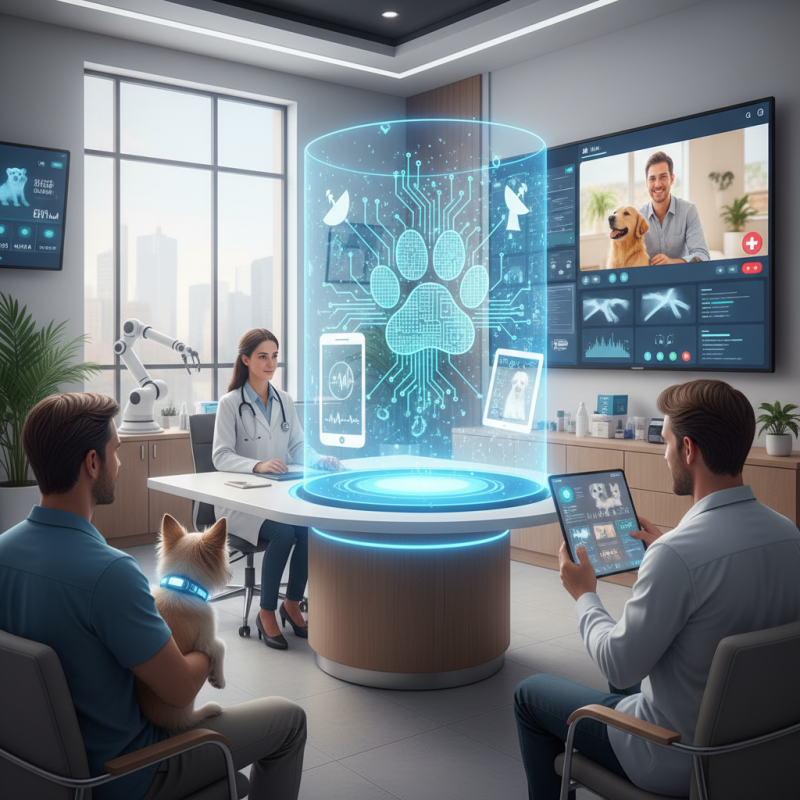
What Role Does Technology Play in Modern Veterinary Care?

The Integration of Telemedicine in Veterinary Practices

Telemedicine is revolutionizing veterinary care. This innovation allows pet owners to consult veterinarians remotely. It is particularly useful for routine check-ups and minor health issues. Pets feel more comfortable at home during virtual appointments. This reduces their stress and anxiety.

Many veterinarians are adapting to this technology. They are learning to conduct effective online consultations. However, challenges remain. Not every diagnosis can be made through a screen. Some conditions still require in-person examinations. There is a risk of miscommunication between owners and vets during virtual visits.

The effectiveness of telemedicine relies on technology literacy. Not all pet owners are familiar with video conferencing. Moreover, the quality of the internet connection can affect the consultation. This can lead to frustration on both ends. Veterinarians need to find a balance between virtual and in-person care. Understanding these limitations is crucial for providing the best care possible.

Advancements in Diagnostic Tools for Animal Healthcare

Advancements in diagnostic tools have revolutionized animal healthcare. Veterinary practices now utilize high-tech imaging, such as ultrasound and MRI. These tools provide detailed insights into an animal's health. For instance, an ultrasound can reveal abnormalities in soft tissues. This technology allows for early detection of conditions, potentially saving lives.

Moreover, blood testing has become faster and more accurate. Modern equipment analyzes samples quickly. Results are often available within hours, rather than days. This quick turnaround helps veterinarians make timely decisions. It can significantly affect treatment outcomes, especially in critical situations. However, reliance on technology raises questions about traditional practices.

Veterinarians need to balance technology and their clinical judgment. While tools enhance care, they should not replace hands-on examinations. There may also be overreliance on technology, leading to misinterpretations. Continuous education is crucial for veterinarians navigating this evolving landscape. Integrating these advancements effectively can elevate the standard of care for our pets.

Advancements in Diagnostic Tools for Animal Healthcare

The Impact of Electronic Health Records on Veterinary Care

Electronic Health Records (EHR) have transformed veterinary care. They streamline data management for veterinarians, ensuring that patient information is easily accessible. With EHR, vets can track medical history, vaccinations, and treatments in real-time. This leads to improved patient care and enhanced communication between staff members.

However, the adoption of EHR is not without challenges. Some veterinary practices struggle with the transition. Staff may need training to use the new systems effectively. This can create temporary disruptions and frustration. Additionally, the reliance on technology raises concerns about data security. Practices must ensure that sensitive information remains protected from breaches.

Despite these issues, the benefits often outweigh the drawbacks. EHR improves accuracy in record-keeping and reduces paperwork. It enhances the ability to analyze patient trends, leading to better treatment decisions. Vets can access crucial information quickly, which is essential in emergencies. Ultimately, leveraging technology in veterinary care can lead to healthier pets and more efficient practices.

Utilization of Wearable Technology in Animal Monitoring

Wearable technology is changing veterinary care significantly. Devices can now monitor an animal's vital signs, movements, and behaviors in real time. This data empowers veterinarians to make informed decisions about an animal's health. For instance, smart collars can track heart rates and detect irregular patterns.

Tips for pet owners: Regularly check the data from wearable devices. This can help to notice changes in your pet’s activity level. When something seems off, reach out to your veterinarian quickly. Quick action can often prevent bigger health issues later.

These technologies are not flawless. They may collect inaccurate data due to sensor malfunctions. Additionally, interpreting data requires expertise. Sometimes, a high reading doesn't mean immediate danger; rather, it may indicate a need for further observation. Always discuss the readings with a vet to understand their implications fully. This collaboration will ensure better health outcomes for your pets.

Emerging Technologies in Veterinary Surgery and Treatment

Emerging technologies are reshaping veterinary surgery and treatment. Advanced imaging techniques, like MRI and CT scans, allow for precise diagnosis. According to a recent report from the American Veterinary Medical Association (AVMA), the use of these technologies has increased by over 30% in the last decade. This significant rise enhances surgical outcomes and overall pet health.

Robotic-assisted surgeries are gaining traction too. These systems provide unparalleled precision. They reduce recovery time and minimize complications. However, the high cost of these technologies raises concerns among smaller practices. Not all veterinary clinics can afford to implement them. A study indicated that about 25% of smaller clinics struggle to adopt such innovations.

Telemedicine is another notable trend. Virtual consultations allow pet owners to receive advice without visiting a clinic. This convenience is vital, especially during emergencies. Yet, this technology comes with challenges, such as ensuring accurate diagnoses without hands-on examinations. Some pet owners may feel uncertain about the effectiveness of remote evaluations. Despite these challenges, the shift towards technology in veterinary care remains a promising advancement.

FAQS

: What is telemedicine in veterinary care?

: Telemedicine allows pet owners to consult veterinarians remotely for routine check-ups and minor health issues.

Why do pets feel more comfortable during virtual appointments?

Pets are often less stressed and anxious at home compared to being in a clinic environment.

What challenges do veterinarians face with telemedicine?

Not all diagnoses can be made online. Miscommunication can also occur during virtual visits.

How does technology literacy impact telemedicine?

Many pet owners lack familiarity with video conferencing, which affects the consultation quality and experience.

What advancements are seen in animal healthcare diagnostics?

High-tech imaging like ultrasound and MRI allows for early detection of health issues, potentially saving lives.

How has blood testing in veterinary practices improved?

Modern equipment analyzes blood samples quickly, with results often ready within hours, aiding timely decision-making.

What role does traditional practice play in modern veterinary care?

Technology should enhance care but should not replace hands-on examinations; balance is essential.

What are the benefits of robotic-assisted surgeries?

These surgeries provide precision, reduce recovery time, and minimize complications, but they are costly for smaller clinics.

What concerns do smaller veterinary practices have regarding new technologies?

Many smaller clinics struggle to afford advanced technologies, hindering their adoption of innovations.

How does telemedicine serve pet owners during emergencies?

Virtual consultations offer quick advice, allowing pet owners to avoid clinic visits in urgent situations.

Conclusion

In exploring what is the role of technology in modern veterinary care, it becomes evident that advancements are significantly enhancing animal healthcare. The integration of telemedicine allows veterinarians to provide remote consultations, improving access to care for pet owners and facilitating timely interventions. Furthermore, advancements in diagnostic tools enable more accurate and efficient evaluations of animal health, leading to better treatment outcomes.

The impact of electronic health records is also noteworthy, streamlining patient histories and improving communication among veterinary staff. Wearable technology plays a crucial role in ongoing animal monitoring, allowing for real-time data collection on vital signs and activity levels. Additionally, emerging technologies in veterinary surgery and treatment provide innovative solutions that enhance precision and safety. Overall, technology is transforming veterinary practices, making them more efficient and comprehensive to better serve animal patients.

Liam

Liam

Liam is a dedicated marketing professional with a profound expertise in the industry, where he excels at highlighting the unique advantages of our core products. With a keen understanding of market trends and consumer needs, Liam frequently updates our company’s professional blog, providing......