Setting up a small animal clinic can be both rewarding and challenging. Understanding how to set up a small animal clinic involves careful planning and execution. Many aspiring veterinarians dream of creating a space that serves pets and their owners. However, establishing this clinic requires more than just passion.
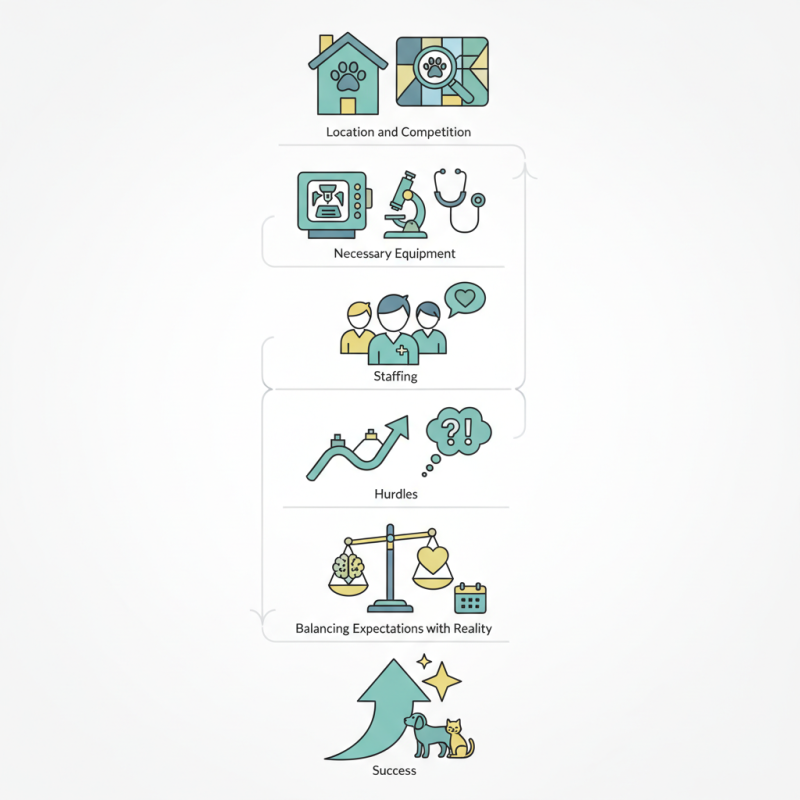
First, you need to consider location and competition. Choosing the right spot can significantly impact your success. Analyze nearby clinics and their services. What gaps can you fill? This reflection is crucial. Next, think about the necessary equipment. Investing in quality tools is non-negotiable. However, budget constraints can lead to tough decisions.
Staffing is another critical aspect. Finding experienced and compassionate team members is essential. Training them to share your vision is vital for a cohesive clinic atmosphere. Be prepared for hurdles along the way. The journey may not be perfect, but understanding these challenges will help you grow. Balancing your expectations with reality can make the process smoother.
Identifying your target market is essential for a successful small animal clinic. Begin by analyzing your local community. Understand the demographics of pet owners in your area. Are they mostly families, young professionals, or retirees? Each group has different needs and expectations for veterinary care. Families may prioritize pediatric care, while older owners might require geriatric services.
Next, consider the types of pets prevalent in your community. Do most owners have dogs or cats? Or is there a growing trend for exotic pets? Tailoring your services to common pets can enhance patient care and client satisfaction. You might also survey potential clients to gather insights on their preferences.
Reflecting on your initial market assessment is crucial. You may find gaps in services that could become your niche. Are there specific care needs overlooked by existing clinics? Addressing these gaps could set you apart. Regularly reassess your market as trends in pet ownership can change over time. Stay engaged with your community to adapt your offerings to their evolving needs.
Creating a comprehensive business plan for your small animal clinic is essential. Start by defining your mission. What do you want to achieve? Consider your target market. Who are your clients? Knowing your audience helps shape your services. Research local competitors. Understand their strengths and weaknesses. This insight can guide your unique offerings.
Financial projections are crucial. Outline your startup costs, including equipment and rent. Estimate your monthly expenses and expected income. These figures need to be realistic. You may find it useful to consult with a financial advisor. Be prepared for unexpected costs. Flexibility in budgeting is vital.
Marketing strategies should be part of your plan. Establish a strong online presence. Social media can engage pet owners effectively. Networking with local pet services is also beneficial. Collaboration can enhance your visibility. Reflect on your strategies regularly. Are they working? Adjust as needed. Tailoring your approach can lead to better results.
Choosing the right location for your small animal clinic is crucial for success. According to the American Veterinary Medical Association, over 60% of pet owners prefer to visit clinics within a five-mile radius. This statistic emphasizes the importance of accessibility. Being situated in a high-traffic neighborhood can significantly increase your clientele. However, areas with fewer vet clinics may offer less competition and greater opportunities.
Facilities should be designed with both efficiency and comfort in mind. A well-organized layout can improve workflow. For instance, separate waiting areas for sick and healthy animals can reduce stress. Including a spacious treatment area is vital for surgeries and other procedures.
Tip: Consider local demographics when selecting a location. Areas with a higher percentage of families tend to have more pets. Researching community needs can help tailor your services effectively.
Reflect on the importance of parking and accessibility as well. Poor access can discourage potential clients. A convenient location will not only attract more clients but also build long-term relationships. Ultimately, thoughtful planning can make a significant difference.
Building a skilled team of veterinarians and support staff is vital for a successful small animal clinic. A recent survey indicated that staff competency directly impacts client satisfaction, which can influence clinic growth. Hiring licensed veterinarians with strong interpersonal skills is essential. They need to connect well with pet owners while delivering quality medical care.
Tips: Offer competitive salaries and benefits. A good package attracts talent.
Support staff, including veterinary technicians and receptionists, should also be well-trained. They play a crucial role in day-to-day operations. Investing in ongoing education for your team improves service quality. Moreover, regular team-building activities enhance collaboration and create a positive work environment.
In the profession, turnover rates can be high. The Veterinary Hospital Managers Association reports that many clinics lose staff within the first year. This indicates a need for better onboarding and mentorship programs to foster loyalty.
Tips: Create a supportive work culture. Ensure new hires feel welcomed and valued.
Attracting clients to a small animal clinic requires thoughtful marketing efforts. Start by creating an online presence. A basic website with essential information is a must. Include services, staff bios, and contact details. Make sure it’s mobile-friendly. Utilize social media platforms to engage with your community. Post regular updates, cute pet photos, and success stories to build rapport.
Consider local outreach as well. Attend community events to connect personally with potential clients. Set up a booth to offer free pet advice or health checks. This establishes credibility and opens opportunities for trust. Collaborate with local shelters and rescue groups. Hosting adoption events can bring in new clients and showcase your clinic's commitment to the community.
While implementing these strategies, remember that not every effort will yield immediate results. Track the effectiveness of each campaign. Analyze what works and what doesn’t. Adjust your marketing efforts accordingly. Reflect on your approaches and learn from clients’ feedback. This continuous improvement will strengthen your clinic's reputation over time.
This bar chart illustrates the effectiveness of various marketing strategies used by a small animal clinic to attract clients. As seen, referral programs and social media have the highest impact, while community events show less effectiveness in drawing new clients.
: Analyze your local community demographics. Focus on families, young professionals, or retirees and their specific needs.
Assess which pets are common in your area. Most owners might have dogs or cats, but trends can shift.
Different demographics have varied expectations. Families prioritize pediatric care, while retirees may need geriatric services.
Consider surveying potential clients. Gathering insight will help tailor your services effectively to their needs.
Reflect on these gaps. Addressing neglected care needs can help differentiate your clinic from others.
Create a strong online presence. A user-friendly website and active social media engagement are essential.
Yes, engage with local shelters or rescue groups. Hosting events can enhance your clinic's visibility and trust in the community.
Track campaign results. Analyze successes and failures. Adjust marketing tactics based on feedback and performance.
Yes, not every strategy works instantly. Reflect on your approaches and learn from the feedback you receive.
Regular reassessment is necessary. Pet ownership trends change, so engaging with the community helps adapt your offerings.
Setting up a small animal clinic requires careful planning and execution to ensure success. First, it's essential to identify your target market, understanding the needs and preferences of pet owners in your area. A comprehensive business plan should outline your vision, services, and financial projections, serving as a roadmap for your clinic's development. Choosing the right location and facilities is crucial, as accessibility and a welcoming environment will attract clients.
Building a skilled team of veterinarians and support staff is key to providing quality care and fostering a positive client experience. Additionally, implementing effective marketing strategies, such as community outreach and online presence, will help to draw in clients and establish a loyal customer base. By focusing on these foundational elements, you can learn how to set up a small animal clinic that not only meets the demands of pet owners but also thrives in a competitive market.

WellData Medical