Top 10 Challenges in Veterinary Healthcare Today?

Time:2026-10-16 Author:Amelia
0%

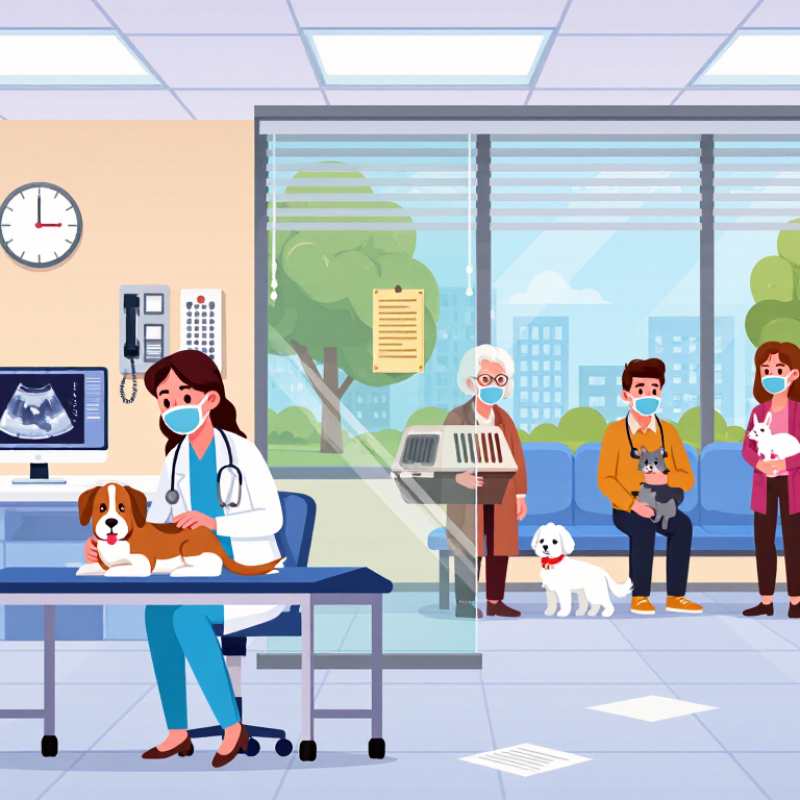
Veterinary healthcare is entering a difficult, uneven period. Clinics face rising demand, staffing shortages, expensive medicines, and growing expectations from animal owners. These pressures affect small practices, referral hospitals, shelters, and public-health services differently. A busy consultation room may show the problem clearly: one veterinarian examines a vomiting dog, answers three phone calls, and manages a delayed laboratory result.

So, what are the challenges in veterinary healthcare today? The answer reaches beyond clinical treatment. Veterinary teams must balance animal welfare, client affordability, diagnostic accuracy, emotional strain, and sustainable business operations. They also respond to antimicrobial-resistance concerns, emerging diseases, shortages of trained professionals, and unequal access to care. Technology can help, but it cannot replace sound judgment or a trusted conversation with an owner.

Dr. Michael J. Blackwell, a veterinary workforce researcher, has emphasized, “There is no single solution to the veterinary workforce challenge.” That observation matters. Hiring more graduates may help, but it will not automatically fix burnout, rural access, poor retention, or financial barriers. Some proposed solutions sound impressive yet remain difficult to implement in a small clinic with limited staff.

This introduction examines the top ten challenges shaping veterinary healthcare today. It considers evidence, frontline experience, and practical consequences. The discussion is not perfectly simple. Some problems overlap. Some data remain incomplete. Still, honest reflection can support better decisions for veterinarians, clients, and the animals depending on both.
Top 10 Challenges in Veterinary Healthcare Today?

Defining the Current Scope of Veterinary Healthcare Challenges

Top 10 Challenges in Veterinary Healthcare Today?

Defining the Current Scope of Veterinary Healthcare Challenges

Veterinary healthcare now extends far beyond treating sick animals. It includes prevention, nutrition, behavior, emergency care, public health, and animal welfare. In daily practice, a limping dog may need imaging, pain control, weight management, and home-care guidance. Each decision affects the animal, the owner, and sometimes the wider community.

Access remains uneven. Rural clinics may lack specialists, advanced equipment, or overnight staffing. Urban hospitals can face crowded waiting rooms and exhausted teams. Rising treatment costs also influence medical choices, even when clinicians recommend appropriate care. This creates difficult conversations, especially when owners delay visits until symptoms become severe. The profession needs clearer communication, fairer payment pathways, and stronger support for veterinary workers.

The scope also includes infectious disease surveillance and responsible medicine use. Veterinarians monitor conditions that may move between animals and people. They also balance effective treatment with careful prescribing and follow-up. Digital records can improve continuity, but poor data quality still causes gaps. Technology is helpful, not magical. Some clinics adopt new systems before training is complete, creating extra workload and avoidable mistakes. Veterinary education must therefore combine clinical skill, ethical judgment, mental-health awareness, and practical communication. The current challenge is not one problem. It is a connected system that remains imperfect and difficult to measure.

Rising Costs and Unequal Access to Veterinary Services

Veterinary healthcare faces many pressures, but rising costs and unequal access affect animals long before treatment begins. A routine visit can become financially frightening when examinations, blood tests, imaging, and medicines appear on one invoice. For a dog with vomiting, a family may delay care while comparing prices or arranging transport. That delay can turn a manageable problem into an emergency. It happens quietly. Costs rise because practices must pay trained staff, regulated medicines, diagnostic equipment, facility maintenance, and emergency coverage. Higher standards often improve safety, yet they can also make care less affordable.

Access is uneven across income levels and geography. Rural owners may travel hours for surgery, advanced imaging, or overnight monitoring. Some communities have too few veterinarians to provide timely appointments. Transport, inflexible work schedules, disability, and language barriers add further obstacles. In daily clinical practice, teams often see owners choosing between treatment and essential household expenses. Compassion matters. However, compassion alone cannot repair a broken access system.

The profession also needs honest self-examination. Explaining every option is not enough when no affordable option exists. A low-cost plan may miss useful information, while extensive testing may be financially unrealistic. Shared decisions should include likely outcomes, risks, alternatives, and total costs. Written estimates help. Still, estimates can change when symptoms develop unexpectedly. Preventive care, transparent pricing, rural outreach, and income-sensitive assistance could narrow the gap. Some solutions will disappoint before they improve. Clinics should measure who remains untreated, not only how many appointments they complete.

Top 10 Challenges in Veterinary Healthcare Today: Rising Costs and Unequal Access to Veterinary Services

No. Challenge Evidence and reported data Why It Matters Reference
1 Rising veterinary costs U.S. veterinary-service prices increased by approximately 7% year over year in 2023, according to consumer price data. Higher consultation, diagnostic, medicine, and surgical costs can cause delayed treatment or financial hardship. U.S. Bureau of Labor Statistics, Consumer Price Index, 2023
2 Unequal access by household income The U.S. poverty rate was 11.1% in 2023, leaving many households with limited ability to pay for preventive or emergency care. Income strongly affects whether owners can afford vaccinations, routine examinations, diagnostics, and lifelong treatment. U.S. Census Bureau, Income in the United States: 2023
3 Geographic shortages of veterinarians Veterinary services are concentrated in urban and higher-income areas, while rural communities often have fewer practices and longer travel distances. Travel time, fuel costs, and limited appointment availability can reduce access to timely care. U.S. Department of Agriculture, rural veterinary workforce and access reports
4 Veterinary workforce pressure Employment of veterinarians in the United States is projected to grow 20% from 2022 to 2032, much faster than the average for all occupations. Demand growth can intensify recruitment difficulties, waiting times, workload, and appointment prices. U.S. Bureau of Labor Statistics, Occupational Outlook Handbook
5 Mental-health and burnout risks Veterinary professionals face documented risks related to long working hours, emotional fatigue, compassion stress, and exposure to euthanasia and critical cases. Burnout can contribute to staff turnover, reduced capacity, poorer continuity of care, and higher operating costs. World Health Organization and peer-reviewed veterinary workforce research
6 Delayed preventive care Preventive services such as vaccination, parasite control, dental care, and screening are often postponed when owners face financial or logistical barriers. Delayed prevention increases the likelihood of advanced disease and more expensive emergency treatment. American Veterinary Medical Association, companion-animal preventive-care guidance
7 Growth in chronic disease and aging pets Longer pet lifespans are associated with more age-related conditions, including cancer, kidney disease, diabetes, arthritis, and heart disease. Chronic conditions require repeated diagnostics, medication, monitoring, and follow-up visits. National veterinary epidemiology and companion-animal health studies
8 Limited emergency and specialist capacity Emergency hospitals and referral specialists are unevenly distributed, with capacity constraints reported in many regions. Owners may face long waits, extended travel, or limited treatment options during urgent cases. Veterinary emergency and referral-care workforce literature
9 Antimicrobial resistance Bacterial antimicrobial resistance was associated with approximately 1.27 million deaths globally in 2019. Veterinary medicine must balance effective treatment with responsible antimicrobial use across humans, animals, and the environment. The Lancet, Global burden of bacterial antimicrobial resistance, 2022
10 Infectious and climate-related threats The World Health Organization estimates that about 60% of known infectious diseases and 75% of emerging infectious diseases are zoonotic. Climate change, wildlife movement, and urbanization increase surveillance, diagnostic, and prevention demands. World Health Organization, One Health and zoonotic-disease resources
Note: Figures and findings are drawn from publicly available government, international-organization, and peer-reviewed sources. Costs and access conditions vary substantially by country, region, species, and household income.

Workforce Shortages, Burnout, and Professional Well-Being

Top 10 Challenges in Veterinary Healthcare Today

Workforce shortages are reshaping veterinary healthcare. Clinics often begin mornings with unfilled appointments and exhausted teams. One absent technician can delay anesthesia, discharge calls, and emergency triage. This pressure affects patient safety and professional well-being. Veterinarians may work late, skip meals, and carry difficult cases home. Burnout rarely appears overnight. It grows through repeated overload, limited recovery, and emotional strain. Compassion fatigue can follow. Some professionals also feel guilty when they need rest, which is understandable but unhealthy.

Tips: Track overtime, missed breaks, and appointment delays each month. Use these figures to adjust staffing and scheduling. Protect short recovery periods, even during busy shifts. Create confidential access to counseling and peer support. Train supervisors to notice withdrawal, irritability, and declining concentration. Clear escalation plans can reduce decision fatigue during emergencies. Small changes matter.

Professional support should combine clinical standards with humane management. Regular case reviews can improve learning without turning every mistake into personal blame. Teams need honest conversations about workload, pay, safety, and career development. Flexible schedules may help retain experienced staff, although they cannot repair chronic understaffing alone. Leaders should measure retention, sick leave, and staff feedback alongside patient outcomes. This wider view is more reliable than praising resilience while ignoring exhaustion. Veterinary medicine values care, yet its workplaces do not always model it. That gap deserves reflection.

Advances in Animal Disease Control and One Health Risks

Veterinary healthcare now faces a difficult intersection of animal disease control and human health protection. In rural clinics, a single coughing calf can signal more than a local infection. It may reflect poor ventilation, insect movement, contaminated equipment, or wider environmental change. The first warning is often small.

Effective control depends on early reporting, practical biosecurity, and reliable laboratory testing. Veterinarians need clear records from farms, shelters, wildlife teams, and public health offices. Rapid testing can identify infection before animals enter markets or shared grazing areas. However, testing is not enough. Staff must interpret results carefully and explain them in language owners can use. A locked medicine cabinet cannot replace good hygiene, isolation, and trained workers.

Antimicrobial resistance remains a serious One Health risk. Unnecessary treatment can weaken future options for animals and people. Climate shifts also expand the range of ticks and mosquitoes, exposing new regions to unfamiliar diseases. Field teams may notice these changes before official data does. Their observations deserve attention. Yet communication still breaks down between sectors. That weakness is partly technical, but it is also human. I have seen excellent advice fail when it arrives too late, costs too much, or ignores daily farm routines. Disease control must therefore combine evidence with humility, local experience, and continuous review. Mistakes will happen. Hiding them makes outbreaks harder to manage.

Technology, Ethics, and the Future of Veterinary Care

Technology, Ethics, and the Future of Veterinary Care

Veterinary healthcare is entering a difficult digital decade. The American Pet Products Association reported that 66% of U.S. households owned a pet in 2023–2024. More patients mean heavier workloads, longer records, and greater demand for accessible care. The U.S. Bureau of Labor Statistics projects 20% employment growth for veterinarians from 2022 to 2032. Yet staffing growth may not match local needs, especially in rural clinics.

Artificial intelligence can flag subtle changes in radiographs, while wearable devices can record a dog’s resting heart rate at home. These tools support clinical judgment, but they cannot replace physical examination or informed consent. Poorly trained systems may reproduce biased data. A confident algorithm can still be wrong. Veterinary teams need clear audit trails, secure data storage, and human review before treatment decisions. The American Veterinary Medical Association’s guidance on emerging technology also emphasizes professional responsibility and client communication.

Ethics becomes harder when technology expands what care can offer. Remote monitoring may help an elderly cat avoid stressful travel, but it can also widen inequality for owners without reliable internet. Rising costs create similar pressure. The 2023–2024 pet ownership survey found that veterinary spending remains a major household concern, even as owners seek advanced treatment. Clinics must explain uncertainty, alternatives, and likely outcomes in plain language. I have seen how a short, honest conversation can prevent unrealistic expectations. Still, access remains uneven, and the profession has not solved that problem.

FAQS

What does modern veterinary healthcare include?

It includes prevention, nutrition, behavior, emergency care, public health, and animal welfare. A limping dog may need imaging, pain control, weight advice, and home-care guidance.

Why do veterinary treatment costs keep rising?

Clinics pay for trained staff, regulated medicines, diagnostic equipment, facility maintenance, and emergency coverage. A single invoice may include an examination, blood tests, imaging, and medicines. Higher standards can improve safety, but affordability remains a serious concern.

How does cost affect animal health decisions?

Some owners delay care while comparing prices or arranging payment. A vomiting dog may become critically ill during that delay. Honest estimates help, although unexpected symptoms can change the final cost.

Why is access to veterinary services unequal?

Rural owners may travel hours for surgery, imaging, or overnight monitoring. Urban hospitals may have crowded waiting rooms and limited appointments. Transport, work schedules, disability, and language barriers create additional obstacles.

What should veterinarians discuss before treatment?

They should explain likely outcomes, risks, alternatives, and total costs. Written estimates can support clearer decisions. Still, explaining every option is not enough when no affordable option exists.

How can animal disease control protect people?

Veterinarians monitor diseases that may move between animals and people. Early reporting, hygiene, isolation, laboratory testing, and careful interpretation reduce wider risks. One small coughing calf may signal a larger problem.

Why is responsible medicine use important?

Unnecessary treatment can reduce future options for animals and people. Treatment should follow reliable examination, testing, and follow-up when appropriate. A locked medicine cabinet cannot replace good hygiene or trained workers.

How are climate changes affecting animal disease risks?

Warmer conditions can expand the range of ticks and mosquitoes. New regions may face unfamiliar diseases. Field teams may notice these changes before official data does, but their observations need timely attention.

Can digital records solve veterinary healthcare problems?

Digital records can improve continuity between clinics and care teams. They are not magical. Poor data quality, incomplete training, and rushed implementation can create extra work and avoidable mistakes.

What improvements are still needed in veterinary healthcare?

Services need clearer communication, fairer payment pathways, rural outreach, preventive care, and stronger worker support. Clinics should measure who remains untreated, not only completed appointments. Some solutions may disappoint before they improve.

Conclusion

Veterinary healthcare is facing a broad and evolving set of pressures, raising the important question: what are the challenges in veterinary healthcare? Rising treatment costs, limited insurance coverage, and unequal access can prevent animals from receiving timely, high-quality care, especially in underserved communities. At the same time, shortages of qualified professionals, demanding workloads, emotional stress, and burnout are affecting workforce stability and the quality of service.

The field must also respond to changing disease patterns, emerging infections, and risks that connect animal, human, and environmental health. Stronger cooperation across these areas is essential for effective disease prevention. Meanwhile, digital tools, advanced diagnostics, and artificial intelligence offer new opportunities but also create concerns about privacy, professional judgment, affordability, and ethical responsibility. The future of veterinary care will depend on balancing innovation with compassionate treatment, supporting veterinary professionals, improving access, and protecting the health of animals, people, and the wider environment.

Amelia

Amelia

Amelia is a seasoned marketing professional with a wealth of expertise in our company’s core offerings. With an unwavering passion for driving growth and innovation, she plays a pivotal role in shaping our marketing strategies and enhancing brand visibility. A key aspect of her responsibilities......