Top 10 Roles of Technology in Modern Veterinary Care

Time:2026-09-21 Author:Oliver
0%

Modern veterinary care is changing inside consultation rooms, mobile clinics, laboratories, and farm barns. Digital radiography can reveal a fractured bone within minutes. Wearable sensors can flag unusual movement before an owner notices clear symptoms. Telemedicine, electronic records, artificial intelligence, robotic surgery, and 3D printing are also reshaping daily clinical decisions.

So, what is the role of technology in modern veterinary care? It is not simply faster treatment or more impressive equipment. Technology helps veterinarians collect clearer evidence, compare patient histories, monitor recovery, and communicate with owners more effectively. However, tools cannot replace physical examination, clinical experience, or compassion. A screen may show a heart-rate change, but it cannot explain every reason behind that change.

Veterinary bioethicist Bernard Rollin offered an important principle: “Technology must remain a means, never an end.” This idea remains highly relevant. A powerful scanner can produce detailed images, yet poor interpretation may still lead to confusion. A connected collar may send hundreds of alerts, but excessive data can overwhelm a busy clinic. Progress has rough edges.

This article explores the top 10 roles of technology in modern veterinary care, from early diagnosis and precision treatment to remote monitoring and preventive medicine. Each role brings practical benefits, but also requires training, ethical judgment, data protection, and careful communication. The strongest veterinary care does not chase every new device. It uses reliable technology where it genuinely improves an animal’s comfort, safety, and chance of recovery.
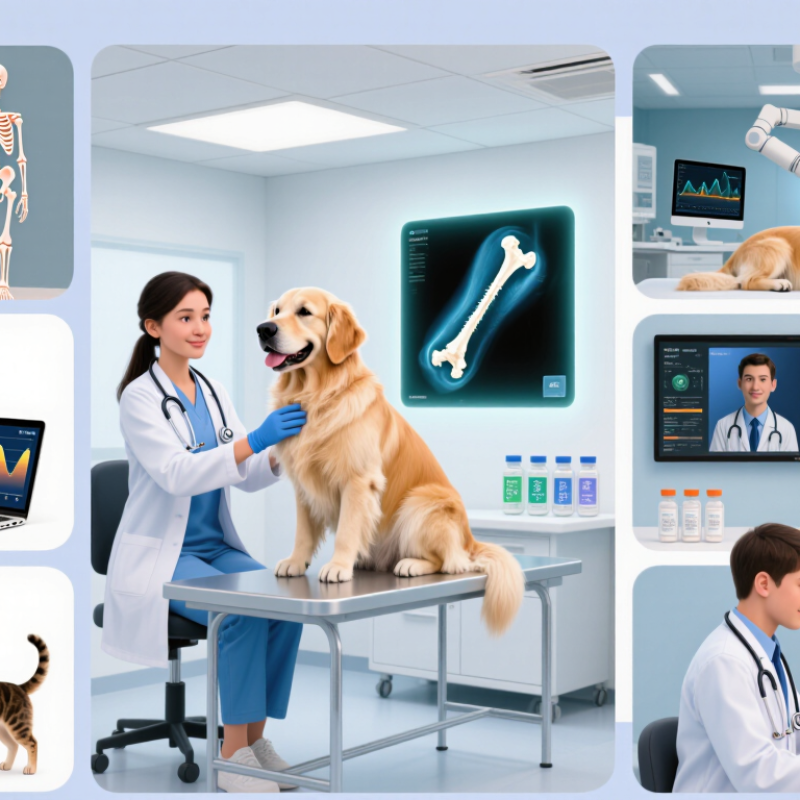
Top 10 Roles of Technology in Modern Veterinary Care

Digital Diagnostics and Advanced Veterinary Imaging

Digital diagnostics are changing how veterinarians investigate illness. In a busy clinic, a digital blood analyzer can provide results within minutes. This speed helps guide decisions during vomiting, breathing problems, or suspected infection. Electronic records also connect laboratory findings with previous treatments, weight changes, and vaccination history.

Advanced veterinary imaging adds another layer of clinical detail. Digital radiographs can reveal fractures, swallowed objects, and lung changes with clearer contrast. Ultrasound shows moving organs, fluid pockets, and developing pregnancies without surgery. Computed tomography creates cross-sectional views of the skull, spine, and chest. Magnetic resonance imaging can expose subtle problems in the brain, joints, and spinal cord. These tools are valuable.

However, technology does not replace clinical judgment. A bright image may still hide a serious problem. Motion, poor positioning, or incorrect settings can distort important details. Veterinarians must compare scans with physical examinations, symptoms, and laboratory results. In practice, careful image review often takes longer than expected. That delay can frustrate owners, yet rushed interpretation creates greater risk.

Digital systems also require regular calibration, secure data handling, and trained staff. A second professional opinion can improve difficult cases, especially when a lesion is small or unusual. I have seen how one overlooked shadow can change an entire diagnostic plan. That reality deserves humility. Better equipment helps, but reliable care depends on questions, evidence, and thoughtful human review.

Electronic Health Records and Data-Driven Clinical Decisions

Electronic health records now function as clinical memory, not merely digital paperwork. The 2024 AVMA U.S. Pet Ownership and Demographics Sourcebook estimates that 82.8 million U.S. households own pets. That scale creates enormous clinical information. Each visit can add weight, temperature, medication history, laboratory results, and treatment responses. When records are structured consistently, veterinarians can identify gradual weight loss, recurring infections, or declining kidney function earlier.

Small errors matter. A complete record can flag previous adverse reactions before a prescription is issued. It can also compare laboratory trends instead of relying on one abnormal result. The 2023 AAHA State of the Industry reporting highlights continuing pressure on veterinary teams, including workload and workforce challenges. Automated reminders, standardized templates, and shared records may reduce repeated documentation. They cannot replace clinical judgment.

Data quality remains an uncomfortable weakness. Missing weights, inconsistent disease terms, and copied notes can distort decision support. A polished dashboard may still contain poor information. Clinicians should verify alerts against physical examination findings, current guidelines, and the animal’s owner-reported history. Privacy also requires disciplined access controls and careful communication. The USDA’s National Animal Health Monitoring System demonstrates the value of standardized surveillance data, but local records often lack comparable consistency. Better interoperability is needed. Until then, electronic records should support questioning, not encourage automatic treatment.

Top 10 Roles of Technology in Modern Veterinary Care

Electronic Health Records and Data-Driven Clinical Decisions

Electronic health records allow veterinary teams to aggregate case histories, identify frequent conditions, and use population-level evidence to support clinical prioritization and preventive-care planning.

Data source: O’Neill et al., “The epidemiology of disorders in dogs under primary veterinary care in the UK,” Scientific Reports, 2014. Values represent one-year disorder prevalence in a study population of dogs under primary veterinary care.

Telemedicine, Wearable Monitoring, and Remote Patient Care

Technology now supports veterinary care beyond the clinic. Telemedicine lets veterinarians review follow-up cases through secure video consultations. A pet recovering from surgery may receive guidance without another stressful car journey. Owners can show swelling, movement changes, appetite, or wound appearance in real time.

Wearable monitoring adds continuous detail. A collar or sensor may track activity, sleep, temperature, heart rate, or unusual movement. These patterns can reveal subtle changes before owners notice them. Remote patient care also helps monitor chronic conditions, including arthritis, diabetes, and heart disease. Still, data is not a diagnosis. Devices can lose contact, misread movement, or create unnecessary worry. Veterinary judgment remains essential, especially when breathing problems, severe pain, collapse, or poisoning may be present.

Tips: Keep the device fitted correctly and check its battery daily. Record normal behavior for comparison. Send clear videos, not only written descriptions. Ask how often a veterinarian reviews the readings. Never delay urgent treatment because a remote reading looks normal. Protect login details and ask how medical information is stored. Telemedicine is convenient, but it cannot replace every physical examination. Sometimes, the missing clue is a warm nose, tense abdomen, or changed breathing pattern that technology cannot fully interpret.

Top 10 Roles of Technology in Modern Veterinary Care - Telemedicine, Wearable Monitoring, and Remote Patient Care
Rank Technology Role How It Is Used Typical Data or Function Clinical Value Best-Fit Care Setting Key Limitation or Safety Consideration
1 Telemedicine and Virtual Consultations Veterinary professionals use secure video, telephone, or messaging consultations for follow-up care, triage, behavioral guidance, and routine advice when a physical examination is not immediately required. Video consultation Digital history Photo and video review Improves access to professional guidance, supports continuity of care, and can reduce unnecessary travel for suitable cases. Follow-up visits, chronic disease support, postoperative checks, behavior consultations, and rural or mobility-limited households. It does not replace an in-person examination when diagnosis, palpation, imaging, laboratory testing, or emergency treatment is needed. Practice must comply with applicable veterinary regulations.
2 Wearable Health Monitoring Collars, patches, activity sensors, and other wearable devices collect physiological or behavioral information between clinic visits. Activity level Rest and sleep patterns Heart rate Temperature Helps identify changes from an animal's baseline that may support earlier investigation of pain, illness, reduced mobility, or recovery problems. Chronic disease monitoring, postoperative recovery, senior-pet care, rehabilitation, and working-animal health programs. Consumer-grade measurements may be affected by movement, poor device fit, coat type, skin contact, or species differences and should not be treated as a standalone diagnosis.
3 Remote Patient Monitoring Clinics collect owner-reported observations and connected-device readings through a structured monitoring plan, with predefined thresholds for contacting the care team. Medication adherence Appetite Pain scores Respiratory observations Provides a more continuous view of the patient's condition and can support timely escalation when symptoms worsen. Heart disease, diabetes management, kidney disease, cancer support, postoperative care, and home hospice planning. Monitoring protocols require clear responsibilities, response times, data privacy safeguards, and an emergency pathway outside normal remote-review hours.
4 Electronic Medical Records and Clinical Decision Support Digital records organize history, examinations, diagnostic results, prescriptions, vaccination records, and treatment plans in one longitudinal record. Patient history Laboratory results Medication records Alerts Improves information retrieval, reduces duplicated documentation, and can support medication checks, preventive-care reminders, and more consistent workflows. General practice, referral hospitals, emergency services, shelters, farms, and multi-doctor veterinary teams. Accurate data entry, interoperability, cybersecurity, role-based access, and regular backups are essential for safe use.
5 Digital Diagnostic Imaging Digital radiography, ultrasound, computed tomography, and magnetic resonance imaging create images that can be stored, measured, shared, and reviewed electronically. Radiographs Ultrasound images Cross-sectional scans Image measurements Supports faster image access, remote specialist review, treatment planning, and comparison with previous examinations. Orthopedic assessment, trauma, internal medicine, neurology, oncology, cardiology, and emergency care. Image quality, patient positioning, interpretation expertise, radiation safety, and appropriate clinical context all affect diagnostic reliability.
6 Point-of-Care Testing and Connected Laboratory Systems Portable analyzers and connected laboratory workflows provide test results near the patient or transmit results directly to the medical record. Blood glucose Electrolytes Blood gases Hematology Can shorten the time between sampling and treatment decisions, which is particularly valuable for unstable patients and urgent cases. Emergency medicine, anesthesia, critical care, ambulatory visits, field medicine, and shelters. Results require quality control, calibration, proper sample handling, species-appropriate reference intervals, and professional interpretation.
7 Artificial Intelligence and Predictive Analytics Algorithms analyze images, laboratory values, records, or monitoring streams to flag patterns that may warrant professional review. Risk scores Image pattern analysis Trend detection Triage support May help prioritize cases, identify trends, and reduce repetitive administrative or screening tasks when validated for the relevant species and setting. Diagnostic support, population health, hospital triage, laboratory workflows, and research programs. An algorithm is decision support, not a replacement for clinical judgment. Bias, incomplete data, limited validation, and false positives or negatives must be considered.
8 Digital Medication and Treatment Management Electronic prescribing, dose calculators, barcode-supported workflows, and reminder systems help organize medication selection, dosing, administration, and follow-up. Dose and route Drug interactions Refill reminders Treatment schedules Supports more consistent medication processes and may improve adherence when owners receive understandable instructions and reminders. Long-term therapies, complex medication schedules, postoperative care, and hospital medication administration. Species, weight, age, organ function, formulation, and regulatory requirements must be checked by a qualified veterinary professional before treatment is changed.
9 Remote Rehabilitation and Digital Physical Therapy Video demonstrations, exercise plans, range-of-motion guidance, and progress tracking extend rehabilitation instructions into the home environment. Exercise duration Mobility observations Range of motion Progress videos Encourages structured home care, helps clinicians review technique, and provides progress information between scheduled appointments. Postoperative recovery, osteoarthritis, neurological rehabilitation, weight management, and mobility support. Exercises should be individualized. Worsening pain, weakness, swelling, breathing difficulty, or inability to bear weight requires professional reassessment.
10 Digital Client Education and Preventive Care Engagement Online portals, educational resources, reminders, digital forms, and follow-up messages help owners understand preventive care and participate in treatment decisions. Vaccination reminders Parasite-control schedules Care instructions Follow-up surveys Improves access to consistent information, supports preventive-care compliance, and gives owners a convenient way to report changes after visits. Vaccination planning, parasite prevention, nutrition counseling, dental care, postoperative instructions, and public-health education. Digital information should be accurate, accessible, readable, and reviewed by veterinary professionals. Urgent symptoms require direct clinical contact rather than delayed online messaging.

Robotic Surgery, 3D Printing, and Precision Treatment

Robotic surgery is moving veterinary care toward smaller incisions and steadier instrument control. A 2024 Grand View Research report estimated the global veterinary surgical instruments market at approximately US$1.5 billion in 2023. That growth reflects demand for safer, more precise procedures, not automatic proof that every clinic needs a surgical robot.

Precision matters most in complex cases. Imaging data can guide a robot around delicate nerves or vessels. Yet trained surgeons still make each clinical decision. The field is promising, but not mature.

Three-dimensional printing adds a practical layer. Veterinarians can convert CT scans into patient-specific bone models, surgical guides, or prosthetic components. A printed model can sit beside the operating table, showing the angle of a fracture before the first incision. The 2024 AVMA Pet Ownership and Demographics Sourcebook reports about 59.8 million U.S. households owned dogs, while roughly 42.7 million owned cats. This large patient population increases the value of repeatable, customized treatment planning.

Precision treatment also uses genetic testing, digital imaging, and continuous monitoring. These tools may help adjust medication doses or detect recovery problems earlier. However, data quality remains uneven across species and clinics. A precise algorithm can still produce a poor recommendation from incomplete records. Veterinary teams should validate printed guides, protect patient data, and explain uncertainty to owners. Technology should support judgment, not disguise its limits.

Artificial Intelligence, Automation, and Veterinary Research

Artificial intelligence is reshaping modern veterinary care through faster analysis and better decision support. An imaging system can flag subtle lung changes on a radiograph, while a veterinarian confirms the finding with history, examination, and laboratory results. This partnership matters because AI may miss unusual breeds, early disease, or poor-quality images. The clinician remains responsible.

Automation also reduces repetitive work. Digital monitoring can record temperature, heart rate, feeding, and movement during recovery. Alerts may help staff notice pain or deterioration earlier, especially overnight. However, automated alarms can create noise. A busy team might overlook a meaningful change among dozens of minor alerts. Careful calibration and regular human review remain necessary.

Tips: Use AI as a second opinion, not a final diagnosis. Check data quality before trusting results. Record disagreements for later review.

Veterinary research gives these tools stronger foundations. Researchers compare algorithms across species, ages, diseases, and clinical settings. They also study bias, privacy, explainability, and long-term outcomes. A model that performs well in one hospital may struggle elsewhere. That limitation deserves honest reporting. Practical research should measure whether technology improves survival, comfort, staff workload, or owner communication. Small pilot studies can reveal workflow problems before wider adoption. Progress is valuable, but uncertainty should stay visible.

FAQS

How can telemedicine help a recovering pet?

A veterinarian can review swelling, appetite, movement, or a healing wound through secure video. This may avoid another stressful car journey. It cannot replace every physical examination.

What can wearable monitors track?

A collar or sensor may record activity, sleep, temperature, heart rate, and unusual movement. These patterns can reveal small changes early. The data is useful, but imperfect.

Can a wearable device diagnose an illness?

No. Devices may lose contact, misread movement, or record unusual behavior inaccurately. Veterinary judgment remains essential.

When should owners seek urgent veterinary care?

Seek immediate help for breathing problems, severe pain, collapse, or possible poisoning. Never delay treatment because a remote reading looks normal. Emergencies need direct assessment.

How can owners improve remote monitoring?

Fit the device correctly and check its battery daily. Record normal behavior for comparison. Send clear videos, not only written descriptions.

What privacy steps matter during remote care?

Protect login details and ask how medical information is stored. Also ask how often a veterinarian reviews the readings. Convenience should not weaken privacy.

How can robotic surgery support veterinary treatment?

Robotic instruments may create smaller incisions and steadier movements. Imaging can help guide tools near delicate nerves or blood vessels. Trained surgeons still make the decisions.

What is the value of three-dimensional printing?

CT scans can become patient-specific bone models, surgical guides, or prosthetic components. A model can show a fracture’s angle beside the operating table. It is helpful, not magical.

Can precision treatment always produce better results?

No. Genetic tests, imaging, and monitoring depend on accurate records. An algorithm may give poor advice when information is incomplete. Uncertainty should be explained clearly.

Conclusion

Technology has transformed modern veterinary care by making diagnosis faster, treatment more precise, and patient monitoring more continuous. Digital diagnostic tools and advanced veterinary imaging help professionals identify conditions with greater clarity, while electronic health records organize medical histories and support data-driven clinical decisions. These systems improve communication, reduce delays, and allow veterinarians to create more informed treatment plans for each animal.

When considering what is the role of technology in modern veterinary care, it is also important to recognize the value of telemedicine, wearable monitoring, and remote patient care. These solutions help veterinary teams observe recovery and detect changes between visits. Robotic surgery can improve control during complex procedures, while 3D printing supports customized medical models, implants, and treatment planning. In addition, artificial intelligence and automation can assist with pattern recognition, routine tasks, and veterinary research, helping professionals develop safer, more efficient, and increasingly personalized care.

Oliver

Oliver

Oliver is a seasoned marketing professional with a wealth of expertise in driving brand awareness and engagement. With a deep understanding of our company's product offerings, he consistently delivers high-quality content that enriches our professional blog. His insights not only shed light on......