In the bustling environment of animal clinics, emergencies can arise unexpectedly. Knowing how to manage emergency situations in animal clinics is crucial for veterinarians and support staff. These moments demand quick, decisive actions to ensure the best possible outcomes for pets in distress.
Effective communication is vital during such urgent scenarios. Staff must convey information clearly and calmly, ensuring everyone understands their roles. Familiarity with emergency procedures empowers the team to react swiftly. This includes having a designated space for critical care and easy access to emergency supplies.
Despite preparation, challenges will inevitably surface. Some situations may overwhelm even the most experienced teams. Reflecting on past incidents helps clinics improve their protocols. Ultimately, adapting to new developments and learning from experiences fosters a culture of resilience, better equipping clinics to handle future emergencies.
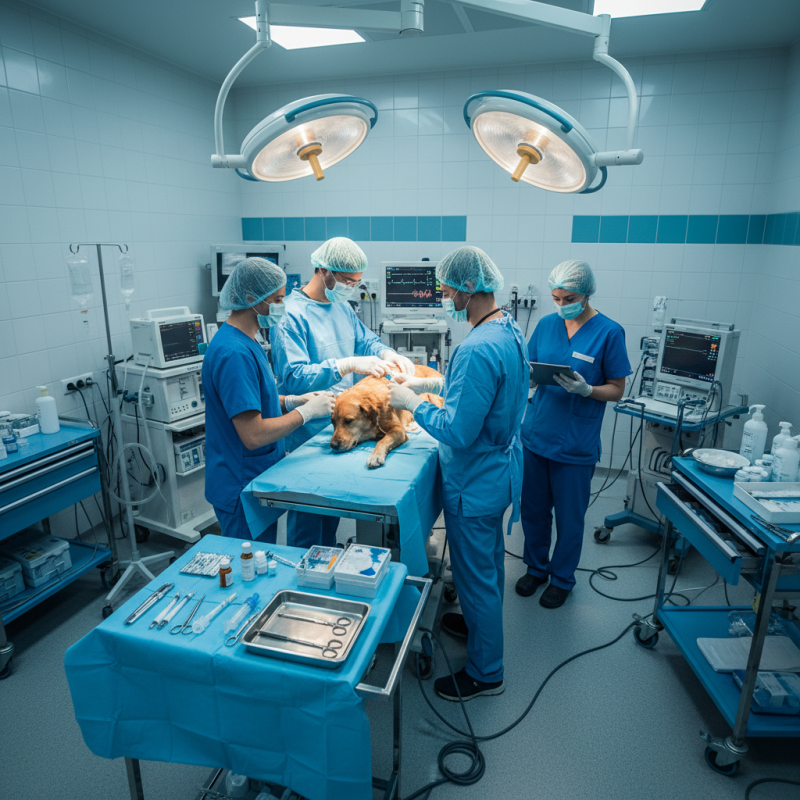
Emergency situations in animal clinics often arise suddenly. These scenarios can involve anything from severe injuries to sudden illnesses. According to a report by the American Animal Hospital Association (AAHA), around 30% of emergency visits are due to trauma. Recognizing these emergencies is pivotal for veterinary staff. Common cases include road traffic accidents, poisoning, and respiratory distress.
Veterinary professionals must quickly assess the situation. Trauma cases, especially, require immediate stabilization. In the case of poisoning, swift action is necessary to reverse toxins. A study in the Journal of Veterinary Emergency and Critical Care highlights that early intervention can double survival rates in critical cases. This underscores the need for clinics to have emergency protocols in place. However, many clinics fall short in training staff adequately for high-pressure situations.
Identifying common emergencies can help clinics prepare. Daily operations should include simulations of emergencies. Yet, many clinics feel unprepared. A survey from the Veterinary Emergency and Critical Care Society shows that 40% of veterinarians believe their clinic lacks comprehensive emergency training. This gap signals a need for improvement in clinics. These insights reveal both the challenges and the crucial need for ongoing education in emergency response.
: An emergency response team ensures that clinics are prepared for various crises involving animal care.
Team members should have clear roles like triage, medical care, or communications, to improve efficiency.
Regular training sessions and simulated scenarios reveal weaknesses and improve teamwork under pressure.
Leaders must communicate clearly and quickly to direct team actions and reassure clients.
Use simple language, address concerns, and provide clear updates to help clients understand situations.
Body language, like eye contact, shows clients that you care and helps build trust during stressful times.
Reflecting on feedback after drills allows teams to identify strengths and areas needing improvement.
Not every situation goes smoothly; flexibility and adaptability are essential to handle unexpected events.
Educating pet owners on emergencies enhances response times and improves overall care for pets.
No plan is perfect; teams should stay adaptable and ready for unexpected challenges in emergencies.
Managing emergency situations in animal clinics requires a comprehensive approach to ensure the safety of both animals and staff. To start, it's essential to identify common emergencies that may arise, such as trauma or medical crises, which lays the groundwork for effective planning. Establishing a proficient emergency response team is crucial for coordinating efforts and ensuring that all staff members understand their roles during a crisis.
Furthermore, implementing clear emergency protocols and standard operating procedures enhances readiness and response times. Regular training for staff on emergency response and crisis management skills is vital to prepare them for real-life scenarios. Lastly, effective communication strategies with clients during emergencies help to maintain trust and provide reassurance, which is an integral part of how to manage emergency situations in animal clinics. By focusing on these key areas, clinics can significantly improve their emergency preparedness and response capabilities.

 WellData Medical