Providing precision engineering and cutting-edge solutions for clinics and animal care facilities worldwide.

Exploring diagnostic methodology, clinical limitations, and regulatory standards shaping modern veterinary immunology.
The global veterinary diagnostics landscape is experiencing a paradigm shift. Over the last decade, epidemiological data indicates a sharp increase in canine atopic dermatitis, feline cutaneous reactive patterns, and equine hypersensitivity reactions. The rising prevalence is driven by urban environmental changes, dietary shifts, and a higher standard of pet care where chronic discomfort is proactively addressed. As companion animals are increasingly treated as family members, pet owners demand diagnostics with accuracy comparable to human medicine.
Historically, in vivo intradermal testing (IDT) stood as the diagnostic gold standard for environmental allergies. However, IDT possesses notable clinical bottlenecks: it requires extensive clipping of the animal's coat, chemical restraint or general anesthesia, and temporary withdrawal of crucial anti-pruritic medications like systemic corticosteroids, oclacitinib, or ciclosporin. These limitations have catalyzed the rapid growth of in vitro serum testing. High-performance Enzyme-Linked Immunosorbent Assays (ELISA) and lateral flow membrane assays that measure allergen-specific Immunoglobulin E (IgE) and Immunoglobulin G (IgG) have emerged as the standard protocol.
Standard in vitro assays occasionally encounter false-positive results due to IgE antibodies binding to Cross-reactive Carbohydrate Determinants (CCDs) rather than the allergen's peptide core. Modern diagnostic kits address this by integrating dedicated CCD blockers, ensuring that reported positives correspond strictly to clinically relevant proteins.
The next generation of animal allergy testing centers on multiplexing and technological integration. Conventional ELISA methodologies require significant serum volumes, which is a major constraint in small companion animals like kittens, toy breeds, or exotic pets. Consequently, the research and development pipeline for diagnostic manufacturers focuses on reducing sample volume while expanding allergen panels.
Developing lab-on-a-chip cartridges capable of running over 50 environmental and food allergen targets concurrently from just 100 microliters of serum, reducing turnaround times.
Transitioning from crude allergen extracts to recombinant protein components. This increases specificity by distinguishing primary sensitization from cross-reactions.
Integrating digital optical readers with cloud-hosted AI algorithms. Predictive modeling processes patient age, breed, and geographic location alongside antibody test data to yield targeted allergen avoidance profiles.
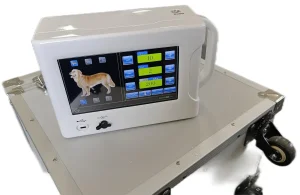
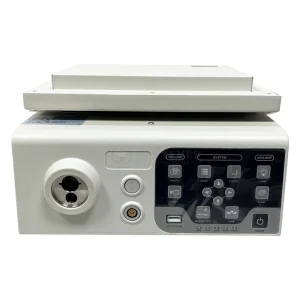
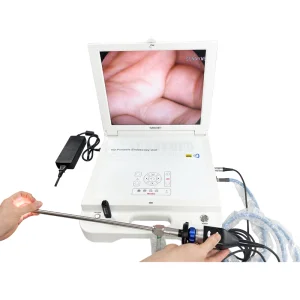
Furthermore, integration with veterinary patient management systems allows diagnostic trends to link directly with patient records. As clinical hardware like digital veterinary endoscopes and high-resolution portable radiography units evolve to offer rapid structural diagnoses, in vitro diagnostics provide the biochemical foundation required for holistic therapy.
Allergy profiles are fundamentally tied to geography. A kit calibrated for Northern European environmental flora is clinically irrelevant in the semi-arid climates of the American Southwest or the subtropical regions of Southeast Asia. Therefore, localized allergen selection is critical for kit efficacy.
In North America and Europe, testing focuses heavily on temperate grasses (like Timothy Grass and Orchard Grass), tree pollens (such as Birch and Oak), and specific indoor mites (Dermatophagoides pteronyssinus). Conversely, in tropical urban centers, storage mites (Tyrophagus putrescentiae) and indoor molds (such as Aspergillus and Alternaria) dominate due to high ambient humidity. Additionally, dietary trends vary across regions: grain-free diets in Western markets alter the spectrum of food-allergen testing to require chicken, beef, soy, and dairy profiles, while marine proteins are more relevant in coastal regions.
When utilizing in vitro serum IgE assays, vets must interpret positive results in correlation with clinical signs. Transient IgE fluctuations may occur without active disease. A localized panel enables target specificity, ensuring that any subsequent Allergen-Specific Immunotherapy (ASIT) formulation is optimized for the patient’s precise environmental exposure.
As a global provider, the stability and quality of our manufacturing process are foundational. China's veterinary IVD manufacturing sector benefits from a robust industrial ecosystem, combining advanced biochemical processing, raw material accessibility, and logistically optimized transport networks.
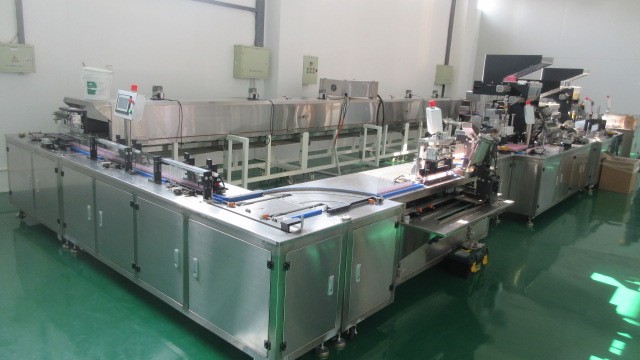
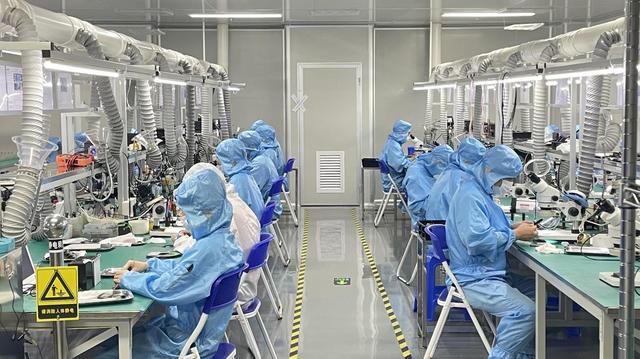
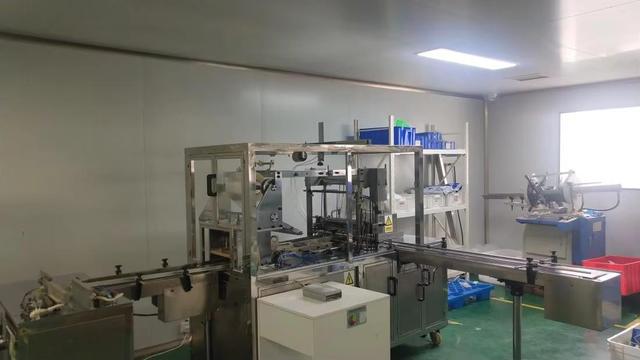
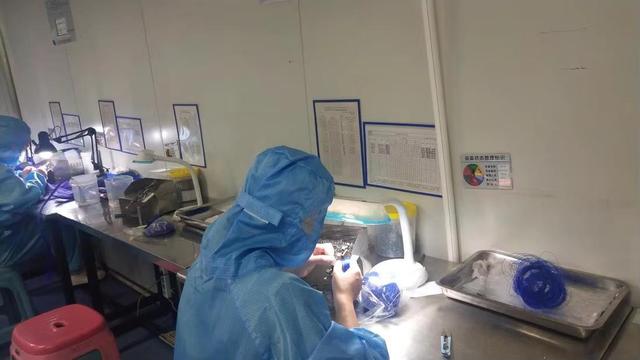
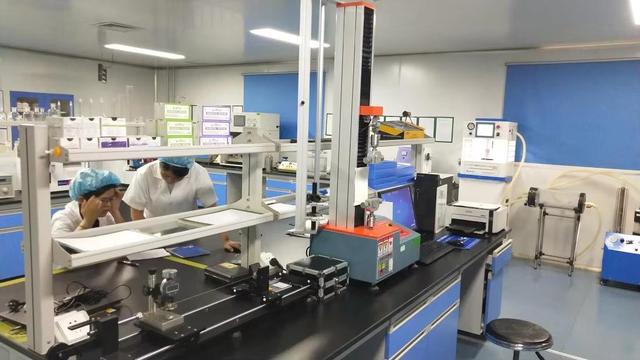
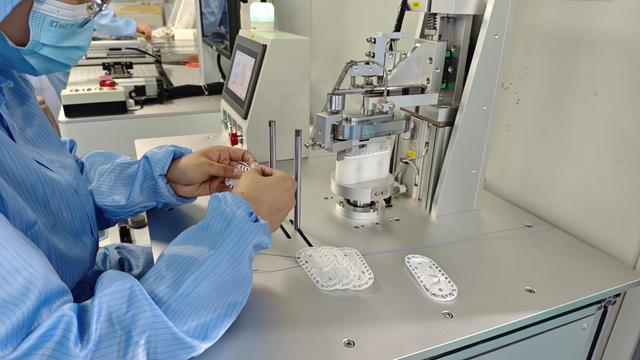
Our manufacturing plants operate under strict ISO 13485 (Medical Devices Quality Management Systems) and CE directives. By utilizing automated liquid handling workstations and environmental control chambers, we ensure batch-to-batch consistency. The antigen purification and antibody conjugation steps are executed under class 100,000 cleanroom conditions to prevent ambient contamination.
Cleanroom Grade
Quality Standard
Batch Consistency
Export Network
Our proximity to deep-water ports (Ningbo and Shanghai) and international aviation hubs allows us to maintain a temperature-controlled supply chain. Diagnostic kits containing fragile biological reagents require constant cold-chain maintenance (2°C to 8°C). Through integrated thermal packaging and real-time datalogger integration, we ensure that our export shipments arrive at global distribution centers without loss of enzymatic activity.
Navigating international regulatory frameworks is critical for global animal health distribution. Our animal allergy testing kits carry full CE compliance markings, validating their performance metrics and safety standards under European veterinary diagnostics regulations.
We provide comprehensive technical documentation, including validation studies, specificity matrices, cross-reactivity profiles, and safety data sheets (SDS). For regional registration requirements outside the European Economic Area, we supply certificates of free sale, manufacturing authorization letters, and stability studies. Furthermore, we offer localized technical support. This includes providing diagnostic software interfaces and clinical report templates translated into regional languages, enabling veterinary clinicians to explain complex test results to pet owners clearly and effectively.
Our veterinary medical devices undergo validation protocols utilizing blind-sample cohorts compared with reference assays to ensure high specificity and sensitivity. Documentation and technical validation files are available upon request to qualified laboratory distributors and clinical researchers.
Hangzhou WellData Medical Co., Ltd. is a professional manufacturer and supplier specializing in advanced veterinary medical equipment and integrated animal healthcare solutions. The company focuses on the research, development, production, and global distribution of high-quality systems designed for modern veterinary clinics, animal hospitals, and emergency pet care centers.
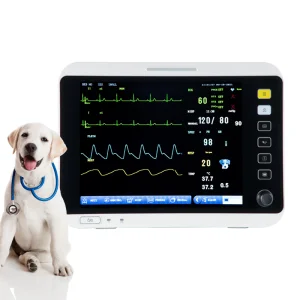
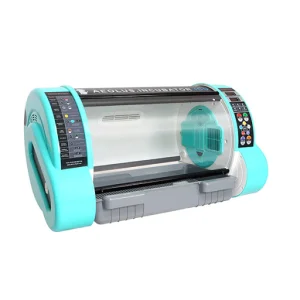
With a strong emphasis on innovation and precision engineering, WellData Medical provides a comprehensive product portfolio covering Pet ICU units, oxygen therapy systems, veterinary patient monitoring devices, diagnostic imaging solutions, and critical care support equipment. These systems are designed to improve survival rates and treatment efficiency for companion animals and large veterinary patients requiring intensive care and respiratory support.
The company is committed to delivering reliable, user-friendly, and clinically effective solutions that meet international quality standards such as ISO and CE certifications. Its veterinary ICU and oxygen therapy systems are widely used for post-operative recovery, respiratory distress management, and long-term critical care in animal hospitals.
Hangzhou WellData Medical Co., Ltd. integrates R&D innovation with manufacturing excellence, offering OEM/ODM customization services to meet diverse clinical requirements across global markets. With a growing international presence, the company serves veterinary professionals in Asia, Europe, the Middle East, and the Americas.
By combining advanced medical engineering with animal care expertise, WellData Medical continues to support veterinarians with safer, smarter, and more efficient treatment technologies, aiming to become a trusted global partner in veterinary critical care and diagnostic solutions.


Expert clarifications regarding laboratory protocols, specificity parameters, and global export operations.
Our enzyme-linked immunosorbent assay (ELISA) diagnostic kits are designed to target dog, cat, and horse serum IgE with sensitivity values exceeding 94.5% and diagnostic specificity values averaging 92.1% against standard allergen matrices. Each batch undergoes quantitative verification using international standard reference sera.
Our kits incorporate a proprietary recombinant CCD blocker in the serum dilution step. This blocker pre-incubates with the serum sample, binding to non-specific anti-CCD IgE antibodies. This prevents them from binding to carbohydrate groups on plant and insect allergen extracts on the well plate, ensuring only protein-specific IgE reactions are measured.
We provide full Declaration of Conformity (DoC) certificates, ISO 13485 compliance records, product validation data sheets, raw material trace records, and MSDS (Material Safety Data Sheets). These files are compiled in comprehensive dossiers to support rapid clearance at import customs globally.
Our kits contain protein conjugates and enzymatic components that must be shipped within a strict temperature range of 2°C to 8°C. For international logistics, we utilize insulated cold-chain shippers packed with phase-change gel packs, accompanied by digital temp-trackers to record the transit temperature history.
While lateral-flow-based rapid kits can be read visually for qualitative screenings, our quantitative ELISA allergen kits require a standard 96-well microplate reader (filter wavelength 450nm) to generate precise optical density (OD) readings. This ensures reliable mapping of the patient's allergy profile.
When stored continuously at 2°C to 8°C, our allergy testing kits maintain stability for 12 months from the date of manufacture. The expiration date is clearly printed on all component vials and the outer packaging. Avoid freezing reagents, as this can lead to protein denaturation.
Yes, we offer comprehensive OEM/ODM services for veterinary diagnostic laboratories and distribution partners. We can formulate custom antigen microarrays to target specific local grass, tree, weed, food, or insect profiles, based on regional epidemiological requirements.
Severe allergic reactions, such as anaphylaxis or acute respiratory distress syndrome (ARDS) triggered by inhalant allergens, often require immediate hospitalization. Integrating rapid diagnostic screening with critical care units—such as pet ICUs and high-precision oxygen therapy systems—allows vets to identify underlying allergen triggers while stabilizing the animal's respiratory function.
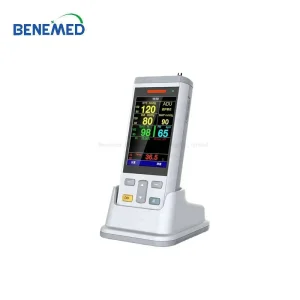
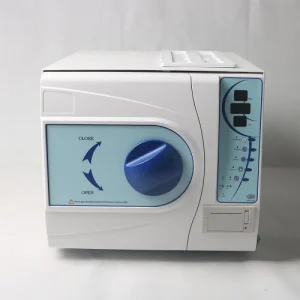
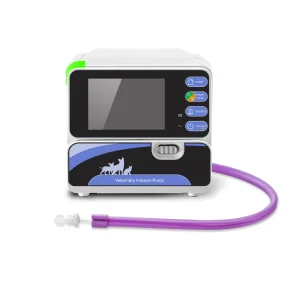
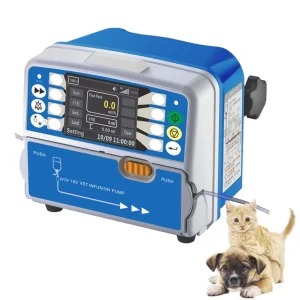
Complementary medical systems designed to support animal hospitals in patient monitoring and therapeutic care.

 WellData Medical