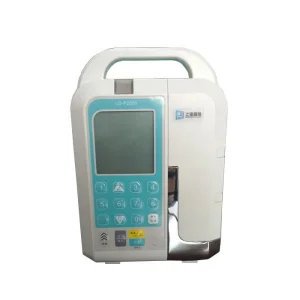
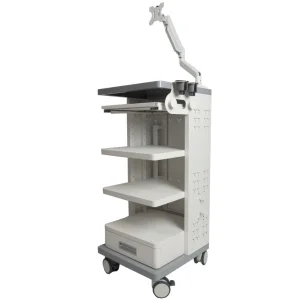
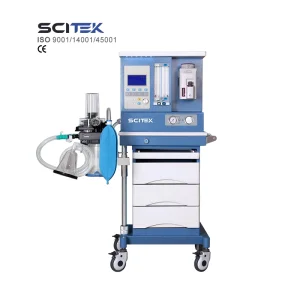
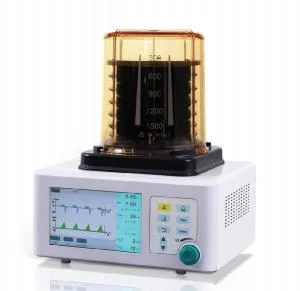
Explore our high-performance clinical hardware designed to support animal clinics, ICUs, and critical surgical processes.
Aerosol therapy has rapidly emerged as a clinical gold standard in modern veterinary practice. Historically, veterinary clinics repurposed human nebulization devices. However, anatomical variations, behavioral challenges, and differing respiratory volumes between humans and companion animals (such as felines, canines, and exotics) necessitated the development of specialized veterinary-grade nebulizer systems. Today, the global veterinary community demands equipment engineered precisely for the physiological parameters of domestic animals.
The core shift in the industry highlights a transition from heavy, noisy compressor-based nebulizers to ultra-silent vibrating mesh technology (VMT) and high-performance ultrasonic nebulizers. The physical stressors that high-frequency noise causes in companion animals can elevate cortisol levels, induce bronchospasms, and prolong recovery periods. Thus, developers like Hangzhou WellData Medical Co., Ltd. focus heavily on silent operating architectures, producing noise levels below 35dB, which is crucial for cat clinics and critical care setups.
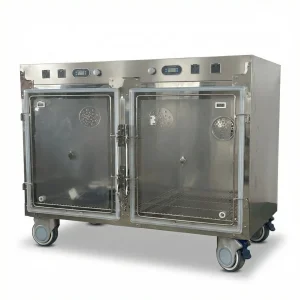
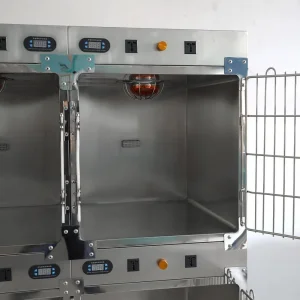
Moreover, the integration of nebulizers with ICU recovery cages has revolutionized clinical setups. Instead of holding masks to terrified animals, clinics utilize enclosed, sensor-monitored environments—such as the Advanced Veterinary ICU Safe Oxygen Cage Recovery System—to administer systemic aerosol treatments under optimal temperature, oxygen concentration, and humidity conditions.
Medical procurement directors, distributors, and veterinary hospital networks face distinct obstacles when sourcing international pet medical devices. Standard consumer-grade nebulizers fail to meet the chemical resistance guidelines required for clinical-grade sterilizing agents and dynamic animal medications (such as hypertonic saline, antibiotics, and bronchodilators like Albuterol).
Sourcing priorities revolve around material biocompatibility, continuous duty-cycle run-times, and simple disinfection pathways. To clarify procurement specifications, buyers should refer to the following comparative technological matrices:
| Specification Parameter | Vibrating Mesh (VMT) | Ultrasonic Nebulizer | Jet Compressor |
|---|---|---|---|
| Aerosol MMAD | 2.0 μm - 3.5 μm (Highly targeted) | 3.0 μm - 4.5 μm (Uniform) | 4.0 μm - 6.0 μm (Broader distribution) |
| Residual Volume | < 0.1 mL (Low waste) | < 0.5 mL | > 0.8 mL (Significant drug loss) |
| Acoustic Noise level | Virtually Silent (< 25 dB) | Silent (< 35 dB) | Loud (> 55 dB to 65 dB) |
| Drug Thermal Stability | No heating (Protects proteins/peptides) | Mild heating (May alter active molecules) | No heating (High shear forces) |
| Portability / Setup | Extremely compact, hand-held | Medium footprint, tabletop | Heavy, relies on mains power |
Global procurement networks must also evaluate manufacturer certifications. Importation channels require compliance documentation including ISO 13485, CE marks, and FDA registrations for veterinary equipment. WellData Medical addresses this gap by establishing ISO-compliant verification lines for its veterinary monitoring, ICU, and aerosol system ranges, streamlining customs clearance and ensuring high safety profiles for veterinary practices in North America and Western Europe.
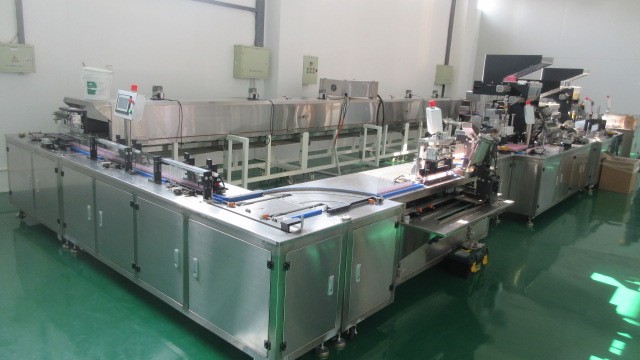
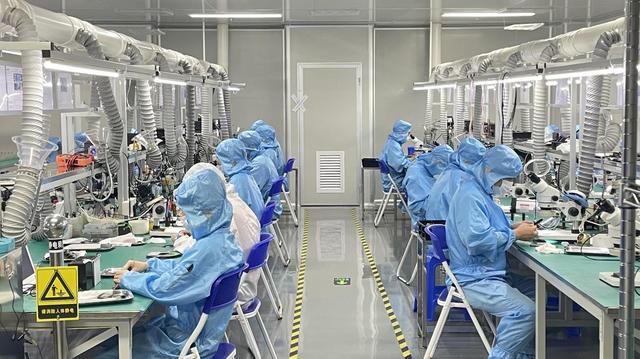
China's smart manufacturing hubs have redefined global healthcare device production. Factory 4.0 refers to the integration of cyber-physical systems, automated assembly lines, and cloud-connected quality control. By leveraging these advancements, Chinese manufacturers can rapidly develop customized products while maintaining cost efficiency and scale.
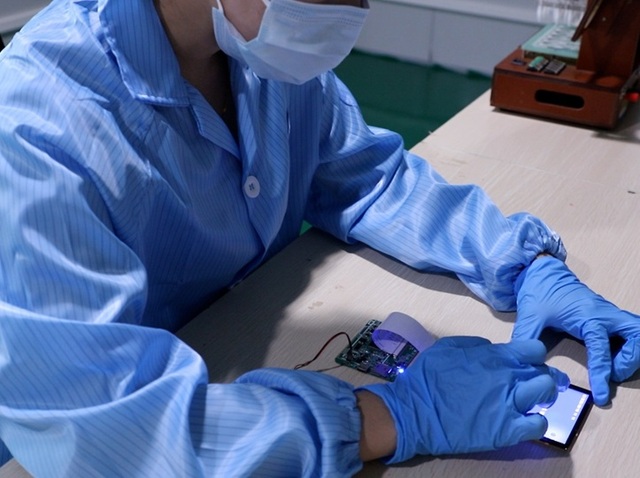
For veterinary devices, precision is non-negotiable. Vibrating mesh heads contain thousands of laser-drilled micro-apertures. Consistent droplet sizes depend on aperture uniformity. By utilizing automated manufacturing processes and advanced visual QA stations, China's leading factories prevent the structural clogging common in low-tier alternatives. Additionally, the localized raw material supply chain ensures prompt access to medical-grade silicone, biocompatible plastics, and reliable microchips.
This localized supply chain creates high responsiveness for OEM and ODM requests. If a European veterinary distributor requests custom connectors for oxygen cages or modified reservoir volumes for specialized drug formulas, the R&D cycle in a Factory 4.0 facility takes weeks rather than months. Sourcing directly from these modernized clusters mitigates geopolitical supply line risks while offering cost-competitive entry barriers for private labels.
Understanding clinical applications is key to evaluating veterinary nebulizers. The clinical scenarios dictate the target design features. We categorize pet nebulization into three primary settings:
In cases of severe pulmonary edema, asthma attacks, or smoke inhalation, veterinary professionals avoid hand-held systems due to patient stress. Here, nebulizers connect directly to sealed oxygen enrichment environments. High-volume output and continuous-duty cycles allow clinicians to saturate the ambient environment with aerosolized medication without disturbing the patient.
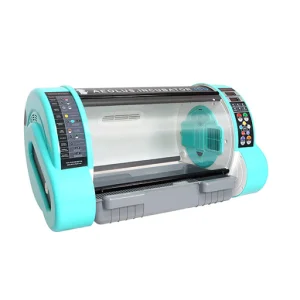
Post-surgical recovery represents a critical phase. Direct inhalation therapies help moisten mucosal membranes dried by dry anesthetic gases, thinning tracheal secretions and helping animals regain baseline respiratory function. Our advanced recovery chambers rely on automated temperature control and warm light therapy to stabilize critical patients during this phase.
For chronic issues like feline asthma or canine chronic bronchitis, pet owners need easy-to-use, home-management devices. Vibrating mesh nebulizers are ideal because they operate silently, can run on batteries, and feature easy-to-clean chambers. These user-friendly designs reduce clinic readmissions and help owners provide reliable daily care at home.
Hangzhou WellData Medical Co., Ltd. is a specialized manufacturer and supplier of advanced veterinary medical devices. The company is committed to the research, development, and international distribution of high-performance critical care hardware, with a focus on modern veterinary clinics and animal hospitals. Their core catalog ranges from ICU units and oxygen therapy systems to veterinary diagnostic monitors and specialized surgical equipment.
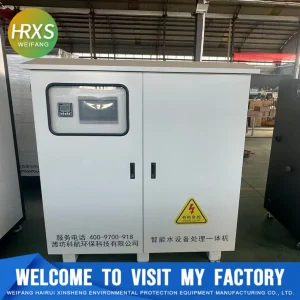
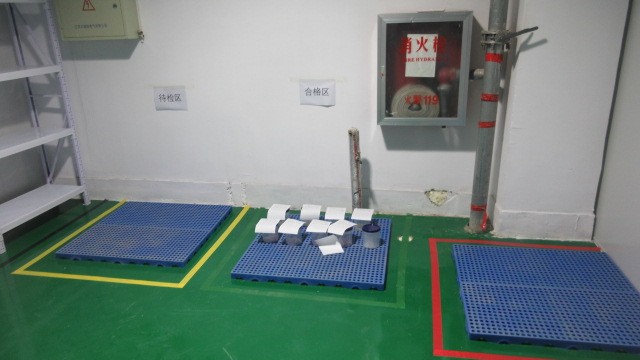
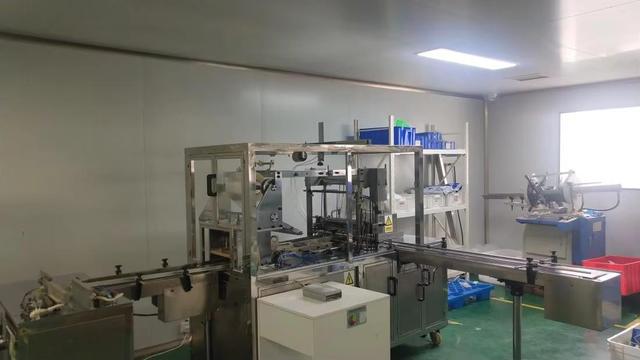
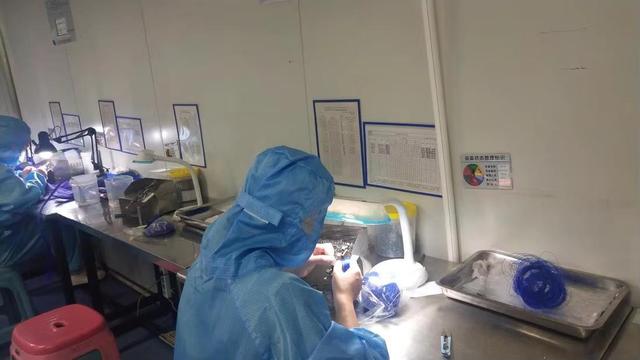
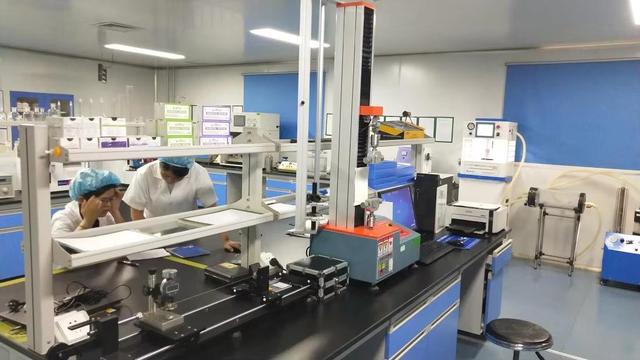
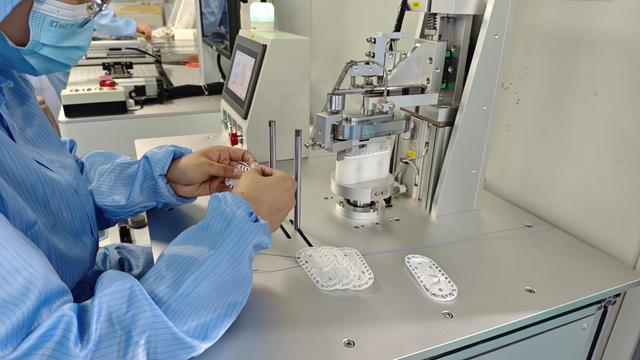
WellData Medical integrates innovative engineering with rigorous quality control, providing OEM and ODM options to global markets. Every device undergoes comprehensive testing to verify output stability, electromagnetic compatibility, and clinical safety. Below, we showcase our modernized assembly environments, testing rooms, and logistics infrastructure, which support our global supply capabilities.


Q1: What is the optimal MMAD particle size configuration for domestic vs. clinical animal therapy?
A: For upper airway respiratory disorders (like feline rhinotracheitis), particle diameters between 5.0 and 8.0 microns are ideal. However, for targeting lower lung structures, bronchioles, and alveoli (such as in canine pneumonia or feline asthma), a sub-5.0 micron size, ideally between 2.0 and 3.5 microns, is required. Our clinical vibrating mesh systems are calibrated to generate droplets within this range to maximize therapeutic efficacy.
Q2: Why should veterinarians avoid utilizing consumer-grade human nebulizers for veterinary clinical environments?
A: Consumer-grade human nebulizers lack the material durability needed for veterinary settings, where they are exposed to highly concentrated veterinary medications and strong hospital disinfectants. Additionally, domestic animals require silent operations (under 35dB) to prevent anxiety, and clinical workflows need customizable interfaces for connection with ICU cages and oxygen hoods.
Q3: How does the integration of a nebulizer system within an ICU oxygen cage affect medicine concentration?
A: Nebulizing directly into an ICU chamber (like the WellData Veterinary ICU Cage) creates a stable, therapeutic mist. However, to maintain the correct drug concentration, the chamber's ventilation volume must be balanced. Our recovery chambers feature adjustable vents that control aerosol retention, helping to prevent drug crystallization on the animal's fur.
Q4: What sterilization protocols should be followed for vibrating mesh components to prevent crossover contamination?
A: Vibrating mesh nebulizer heads feature fragile micro-apertures that can be damaged by mechanical brushing. Instead, they should be cleaned by running distilled water through the unit immediately after use. Clinical teams can sanitize components using low-concentration isopropyl alcohol (70%) or chemical sterilants, followed by a thorough rinse with sterile water and air drying. Autoclaving is only recommended if specified by the manufacturer.
Q5: What are the minimum order quantities (MOQ) and lead times for OEM/ODM orders at your factory?
A: Standard wholesale options typically require a low MOQ of 10-50 units depending on the product model. For custom OEM branding, custom housing colors, or specialized connector designs, the MOQ generally starts at 200 units. Lead times for standard inventory range from 7 to 15 days, while customized OEM production runs take approximately 30 to 45 days, depending on technical specifications.
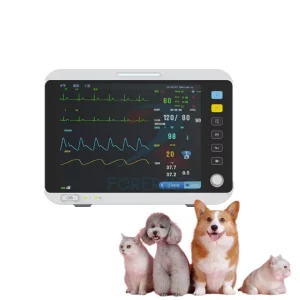
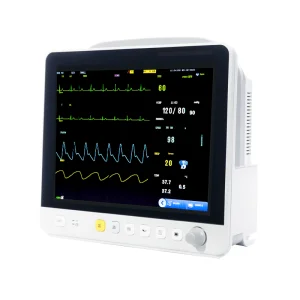
Our diagnostic instruments and clinical monitoring equipment provide real-time patient data to support complex veterinary therapies.
 WellData Medical