Explore our elite range of critical infusion devices, electro-surgical generators, and ICU support systems engineered to exceed global veterinary clinical standards.
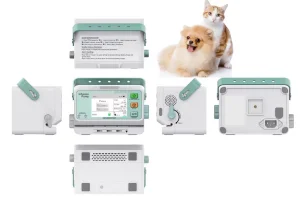
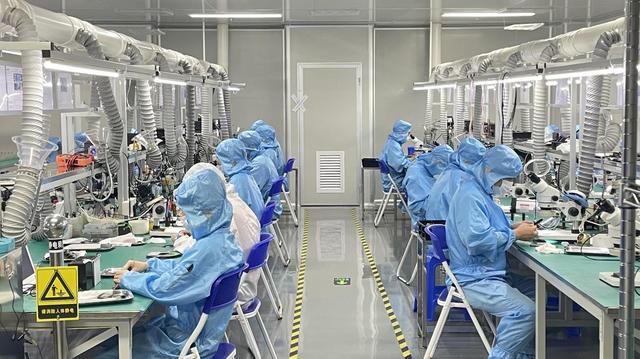
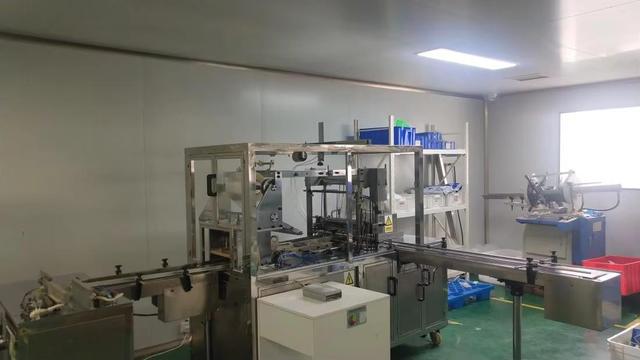
Hangzhou WellData Medical Co., Ltd. is a professional manufacturer and supplier specializing in advanced veterinary medical equipment and integrated animal healthcare solutions. The company focuses on the research, development, production, and global distribution of high-quality systems designed for modern veterinary clinics, animal hospitals, and emergency pet care centers.
With a strong emphasis on innovation and precision engineering, WellData Medical provides a comprehensive product portfolio covering Pet ICU units, oxygen therapy systems, veterinary patient monitoring devices, diagnostic imaging solutions, and critical care support equipment. These systems are designed to improve survival rates and treatment efficiency for companion animals and large veterinary patients requiring intensive care and respiratory support.
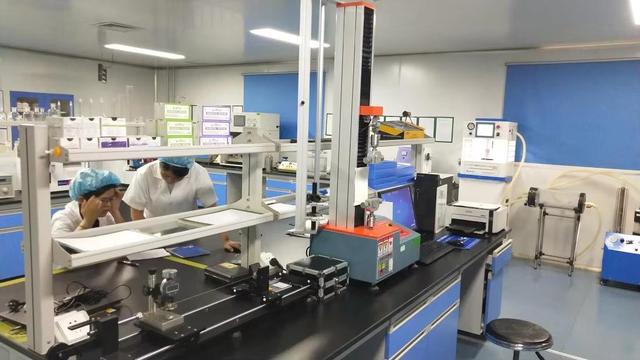
The company is committed to delivering reliable, user-friendly, and clinically effective solutions that meet international quality standards such as ISO and CE certifications. Its veterinary ICU and oxygen therapy systems are widely used for post-operative recovery, respiratory distress management, and long-term critical care in animal hospitals.
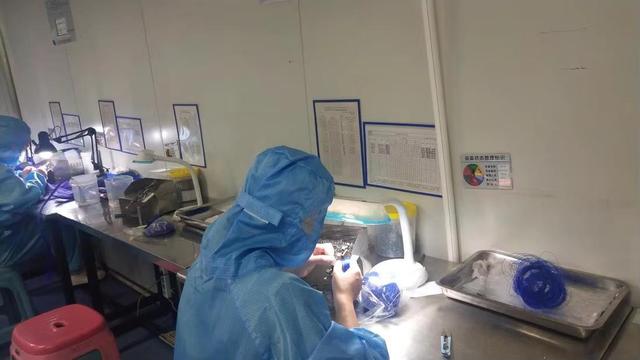
Hangzhou WellData Medical Co., Ltd. integrates R&D innovation with manufacturing excellence, offering OEM/ODM customization services to meet diverse clinical requirements across global markets. With a growing international presence, the company serves veterinary professionals in Asia, Europe, the Middle East, and the Americas. By combining advanced medical engineering with animal care expertise, WellData Medical continues to support veterinarians with safer, smarter, and more efficient treatment technologies, aiming to become a trusted global partner in veterinary critical care and diagnostic solutions.
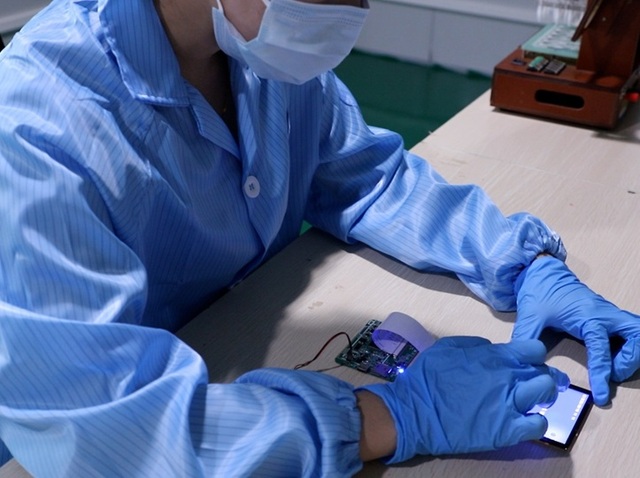

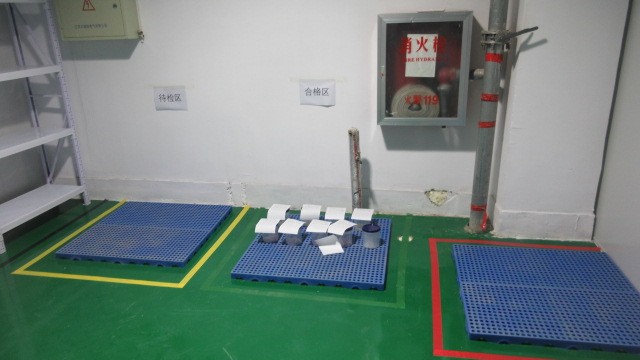

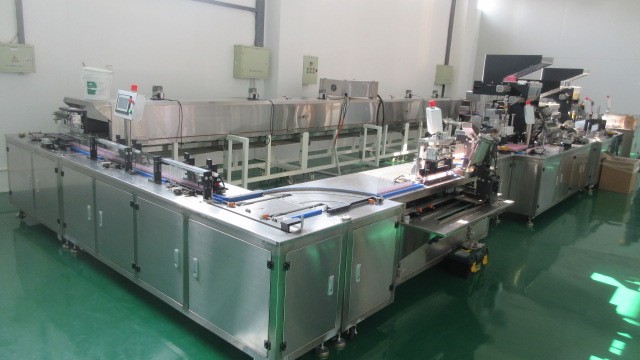
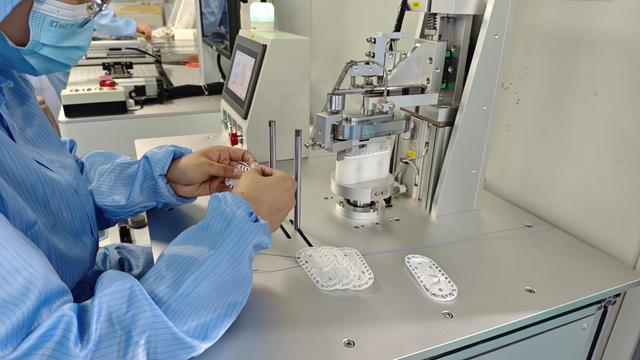
Fluid therapy remains the cornerstone of critical care medicine in veterinary hospitals. Understanding the global scale, supply chains, and clinical challenges is essential for distributing robust medical solutions.
The global veterinary healthcare industry is expanding rapidly due to rising companion animal ownership and a strong emphasis on clinical recovery. Infusion technology constitutes over 40% of the emergency consumables market.
Veterinary fluid delivery demands extreme precision. Unlike adult human clinical environments, veterinary technicians navigate extreme physiological variation: from a 500-gram kitten requiring micro-infusion (60 drops/mL) to a 600 kg equine requiring high-capacity rapid hydration.
International regulatory shifts are urging a complete transition away from DEHP plasticizers toward medical-grade, TPU-lined, and light-protected raw materials to prevent drug absorption and toxic leaching during veterinary chemotherapy.
A deep, data-driven comparison clarifying the engineering configurations required for veterinary clinical settings compared to human medical lines.
| Technical Parameter | Human Standard IV Set | Veterinary Optimized IV Set | Clinical Significance / Outcome |
|---|---|---|---|
| Tubing Length & Flexibility | Typically 150 cm to 180 cm. Rigid standard PVC. | Extended 200 cm to 250 cm. Highly flexible kink-resistant polyurethane blend. | Permits animal movement inside veterinary recovery cages without causing occlusion or catheter pullouts. |
| Drip Chamber Calibration | Fixed 10, 15, or 20 drops/mL standard macro setups. | Dual Availability: Micro-drip (60 drops/mL) & Macro-drip (15/20 drops/mL). | Guarantees micro-dose precision for companion pets and neonates, preventing fluid overload (hypervolemia). |
| Injection Site Structural Stability | Standard Y-sites or needleless ports. | Reinforced, self-sealing latex-free injection sites. | Resists frequent punctures and torque when secondary lines or boluses are administered dynamically. |
| Air-Venting Mechanisms | Standard hydro-phobic membrane filters. | Equipped with high-flow rate, water-resistant venting systems. | Prevents lines from drying out, even during suspension in high-humidity animal ward environments. |
The technological trajectory of animal hydration and critical care is shifting toward smart automation and integrated patient monitoring ecosystems.
Eliminating chemical interactions between the tubing wall and critical medications (such as diazepam, insulin, and chemotherapeutics). Advanced polyurethane formulations maintain structural flexibility at extreme low and high temperatures, ensuring constant flow rates without kinking.
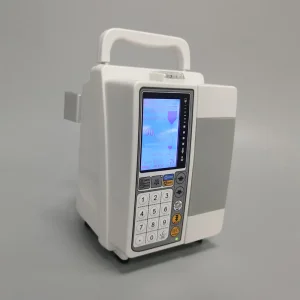
Collaborating with manufacturers of double-CPU volumetric infusion pumps (e.g., WellData critical care lines) to engineer IV sets with high-sensitivity silicon segments. This guarantees precision down to ±3% accuracy and immediately triggers alarms when veins collapse or animal motion disrupts flow.
Developing microchip-embedded IV flow regulators that transmit volumetric telemetry data back to central clinical patient monitors, allowing veterinary nurses to monitor hydration parameters remotely.
Critical patient recovery relies on a network of high-performance medical systems operating concurrently. Below is our unified framework for animal ICU and surgical operations.
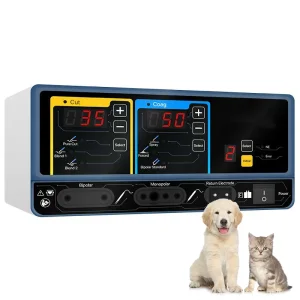
Synchronizing the Taktvoll Es-100V Electrosurgical Unit alongside precision IV therapy prevents electrical noise/interference in fluid telemetry systems, maintaining seamless patient safety.
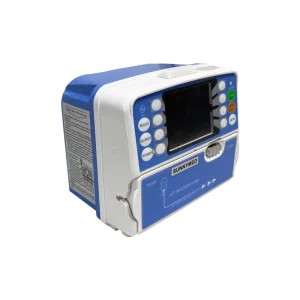
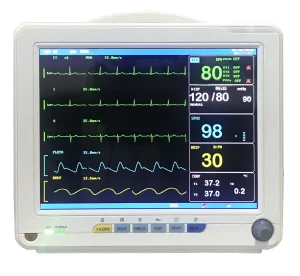
Deploying specialized ICU Patient Monitors alongside high-pressure infusion pumps ensures fluid status matches cardiac monitoring metrics, providing instant feedback on blood volume status.
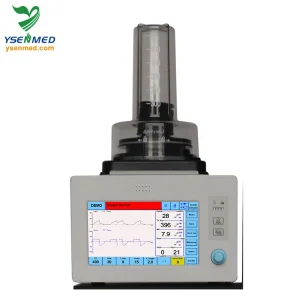
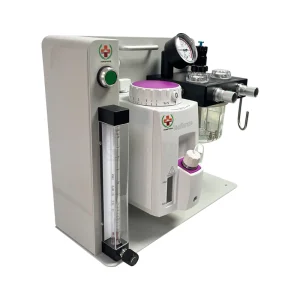
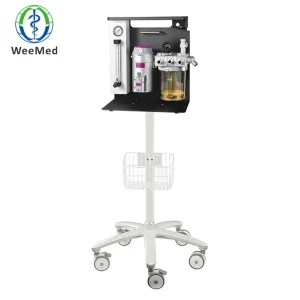
Matching portable veterinary anesthesia machines with precision fluid delivery ensures physiological homeostasis during highly complex, long-duration surgical procedures.
Crucial details regarding regulatory compliance, flow dynamics, OEM engineering, and sourcing veterinary infusion systems directly from China manufacturers.
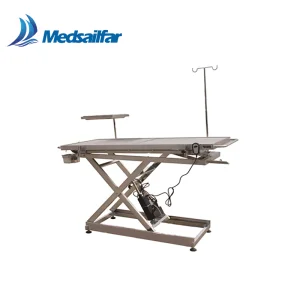
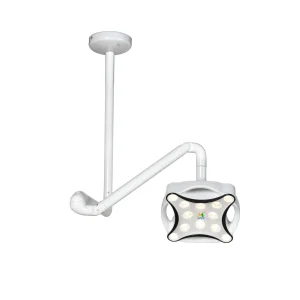
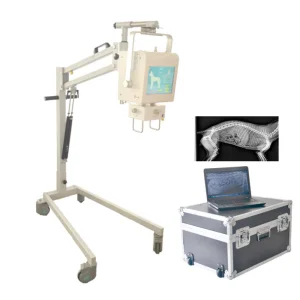
Complete your veterinary ICU setup with our advanced operating tables, shadowless lighting systems, digital X-rays, and portable anesthesia units.
 WellData Medical