Designed for Windhoek Veterinary Clinics, Regional Animal Care Facilities, and Wildlife Sanctuaries across Namibia.
Namibia’s livestock sector forms the backbone of its agricultural economy, contributing significantly to the national GDP and export earnings. With millions of cattle, sheep, and goats grazing across expansive regions such as Gobabis, Otjozondjupa, and the northern communal areas, the prevention of transboundary animal diseases is paramount. Biosecurity is not merely a clinical metric; it is an economic safeguard. At the same time, Namibia is globally renowned for its pioneering wildlife conservation, holding extensive populations of cheetahs, rhinos, and elephants that require emergency surgical intervention in remote field habitats. For both production animals and wildlife, contamination-free medical environments are mandatory.
In rural veterinary clinics and mobile units operating near Etosha or the Namib Desert, sterilization equipment must withstand challenges like dust, fluctuations in water quality, and unstable electrical grids. Standard autoclaves designed for urban clinics with constant power loops fail rapidly under these conditions. There is an urgent demand for rugged, high-performance thermal and steam sterilizers (such as portable 18L autoclaves) that achieve a validated Sterility Assurance Level (SAL) of 10-6, guaranteeing the complete destruction of high-resistance bacterial spores, viruses, and heat-resistant pathogens.
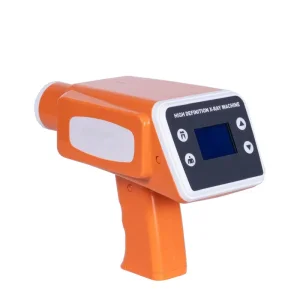
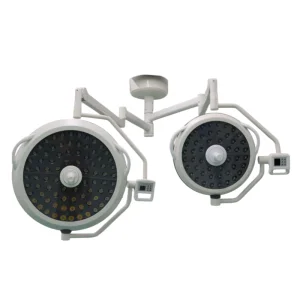
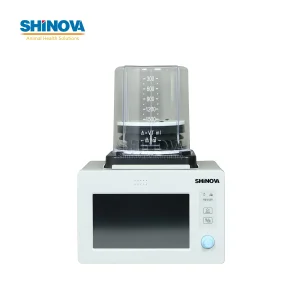
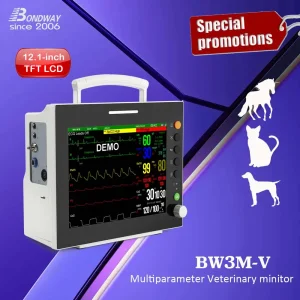
In urban centers like Windhoek, Swakopmund, and Walvis Bay, companion animal practice has experienced a significant upgrade. General veterinary clinics are evolving into multi-disciplinary centers offering advanced orthopedics, dental surgery, and oncology. This development requires high-tier clinical infrastructure, including sterile surgical light systems, high-frequency dental imaging systems, and precise physiological monitoring units to guarantee patient stability under general anesthesia. Maintaining strict sterility in these environments is crucial to prevent nosocomial infections and post-surgical complications.
Modern veterinary clinical guidelines demand strict adherence to human-grade infection control standards. Globally, the veterinary sector is shifting away from simple chemical disinfectants toward automated mechanical thermal sterilization. Steam sterilization remains the gold standard because of its safety, reliability, efficacy, and lack of toxic chemical residues. Veterinary facilities worldwide are implementing Class B and Class N steam sterilizers to process surgical instruments, linens, and veterinary implant components.
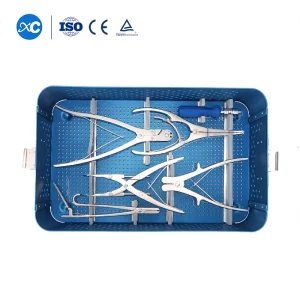
Furthermore, as orthopedic surgeries (such as pedicle screw fixation for canine spinal fractures or fracture repairs in valuable stud stock) become common practice, the need for sterile orthopaedic implant storage and rapid flash autoclaving has risen. High-performance steam autoclaves, equipped with robust PLC servo control systems, enable clinics to run rapid, repeatable cycles while generating digital cycle reports for compliance and auditing. This focus on documentation aligns with international veterinary council standards, ensuring that every cycle is monitored for pressure, temperature, and exposure time.
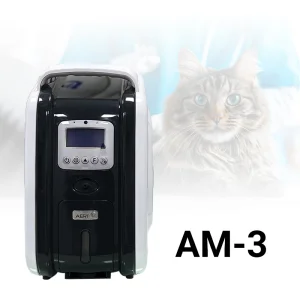
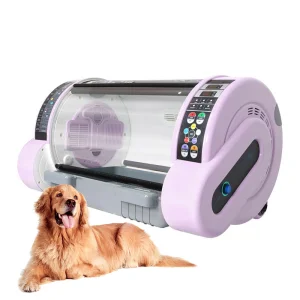
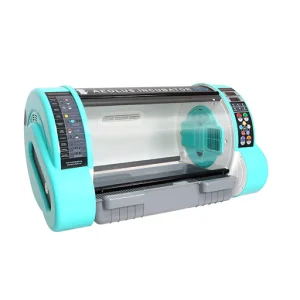
High-tech critical care systems built to handle intensive procedures, respiratory therapy, and complex bone surgeries under challenging clinical conditions.
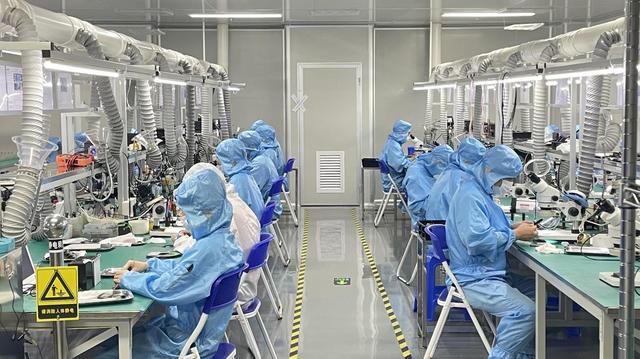
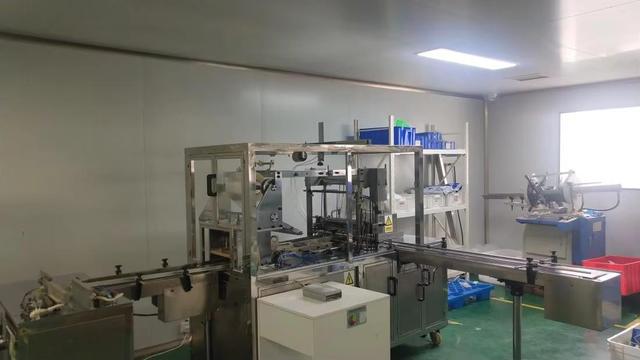
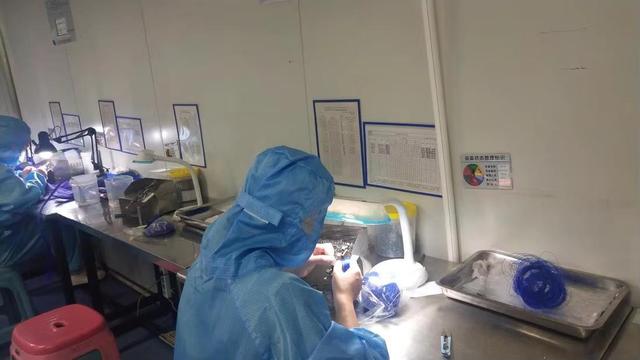
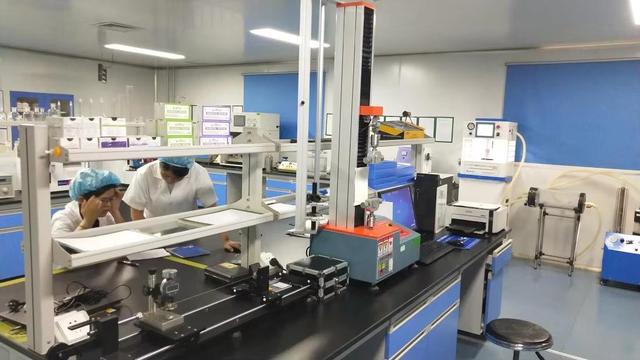
Hangzhou WellData Medical Co., Ltd. is a professional manufacturer and supplier specializing in advanced veterinary medical equipment and integrated animal healthcare solutions. The company focuses on the research, development, production, and global distribution of high-quality systems designed for modern veterinary clinics, animal hospitals, and emergency pet care centers.
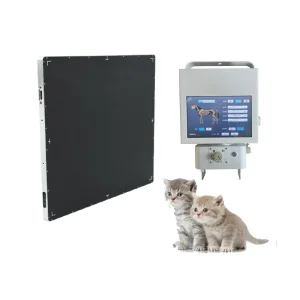
With a strong emphasis on innovation and precision engineering, WellData Medical provides a comprehensive product portfolio covering Pet ICU units, oxygen therapy systems, veterinary patient monitoring devices, diagnostic imaging solutions, and critical care support equipment. These systems are designed to improve survival rates and treatment efficiency for companion animals and large veterinary patients requiring intensive care and respiratory support.
The company is committed to delivering reliable, user-friendly, and clinically effective solutions that meet international quality standards such as ISO and CE certifications. Its veterinary ICU and oxygen therapy systems are widely used for post-operative recovery, respiratory distress management, and long-term critical care in animal hospitals.
Hangzhou WellData Medical Co., Ltd. integrates R&D innovation with manufacturing excellence, offering OEM/ODM customization services to meet diverse clinical requirements across global markets. With a growing international presence, the company serves veterinary professionals in Asia, Europe, the Middle East, and the Americas.
By combining advanced medical engineering with animal care expertise, WellData Medical continues to support veterinarians with safer, smarter, and more efficient treatment technologies, aiming to become a trusted global partner in veterinary critical care and diagnostic solutions.
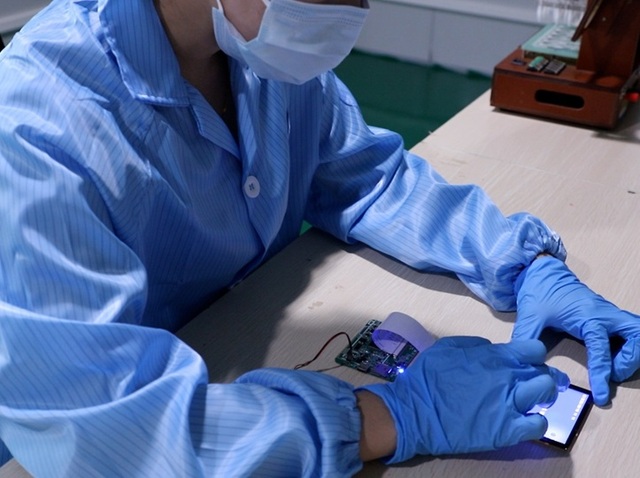
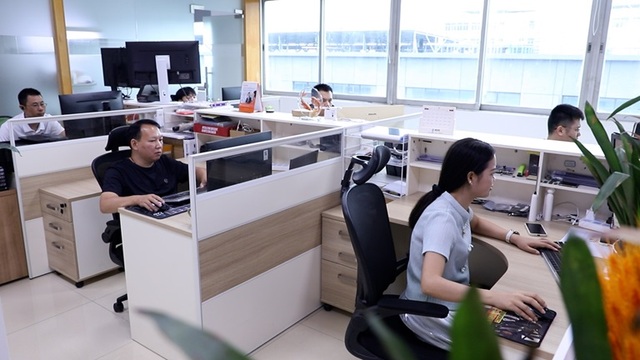
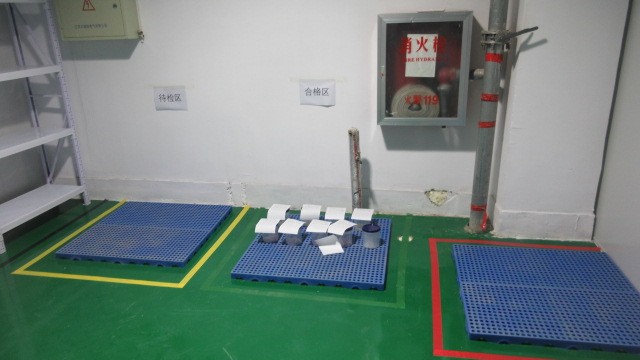

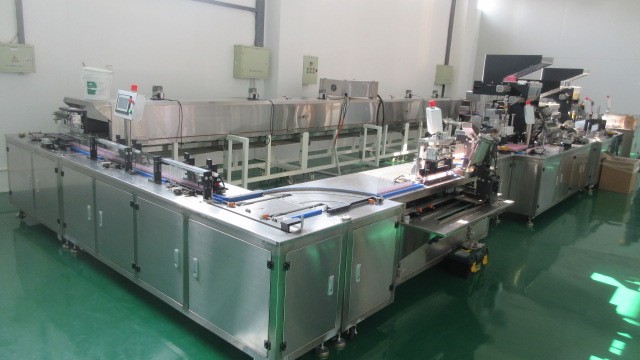
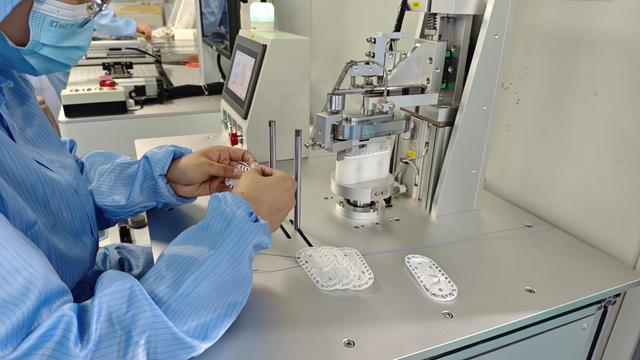
Purchasing veterinary autoclaves and sterilization infrastructure directly from our Chinese manufacturing hub offers several distinct operational and financial advantages:
In mobile conservation camps operating within the Caprivi Strip or Etosha heights, veterinarians conduct emergency procedures on large mammals. The lack of standard laboratory settings demands portable, rapid sterilization. The Ms-V75HD 18L Portable Steam Sterilizer allows field veterinarians to sterilize surgical instruments using a generator or solar-powered backup grid, ensuring that infection risks remain low during critical orthopedic or tissue repairs in the bush.
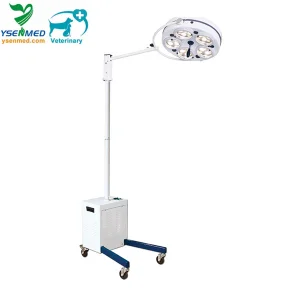
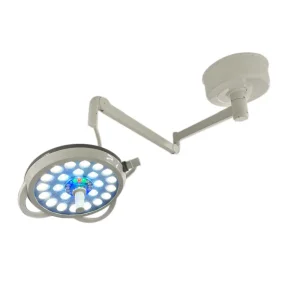
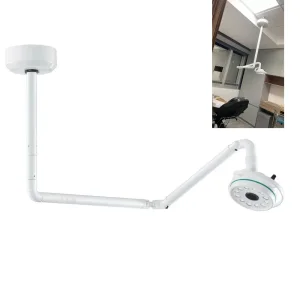
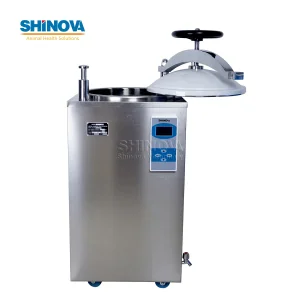
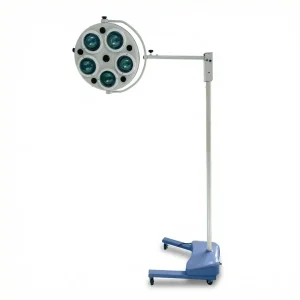
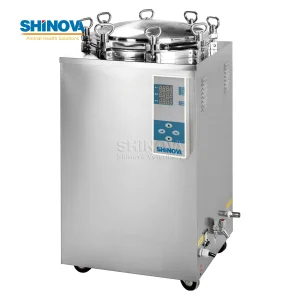
A multi-doctor clinic in Windhoek performs multiple surgeries daily, including spays, dental procedures, and complex internal tissue resections. The surgical theater relies on shadowless satellite LED lights to maintain clean visibility, while veterinary vital signs monitors keep track of patient metrics. In the background, the Ms-V75D Steam Autoclave processes continuous batches of surgical packs, achieving fast cycle times to keep up with the high demands of the surgical facility.
In regional agricultural hubs like Gobabis and Otjiwarongo, state veterinarians monitor livestock health to prevent local outbreaks of foot-and-mouth disease. Setting up clean environments in agricultural research stations requires reliable, high-volume autoclave equipment to sterilize sample vials, sample harvesting tools, and diagnostic accessories, which limits contamination between rural livestock holdings.
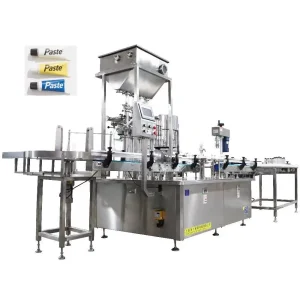
Explore our comprehensive product portfolio. These systems support modern veterinary clinics, diagnostic facilities, and pharmaceutical operations throughout Namibia.
 WellData Medical