Explore our premium diagnostic instruments and core clinical configurations, designed to set new benchmarks in modern animal healthcare.
An in-depth analysis of regulatory frameworks, technical parameters, and strategic integration architectures for enterprise markets.
In the modern era of veterinary science and livestock logistics, biological traceability has transitioned from a municipal option to a strict global imperative. As nations align under unified disease control and biosecurity regulations, the deployment of Radio Frequency Identification (RFID) systems represents the primary defense line against contagion vectors and unauthorized pet translocation. Handheld animal microchip scanners are the essential gatekeepers of this process, providing the physical link between the animal's biological presence and its digital profile.
International frameworks, such as ISO 11784 and ISO 11785, govern the telemetry standards for transponder communication. These standards dictate that animal microchips operate at a resonant frequency of 134.2 kHz, leveraging both Full-Duplex (FDX-B) and Half-Duplex (HDX) data transmission. By developing specialized OEM animal microchip scanners designed to read these frequencies seamlessly, manufacturers empower veterinarians, border control agencies, and shelter operators to verify histories with absolute certainty.
B2B buyers, distributors, and governmental bodies require highly tailored hardware solutions. An off-the-shelf scanner rarely fits the diverse ecosystem of modern veterinary software. Therefore, the requirement for custom OEM (Original Equipment Manufacturer) and ODM (Original Design Manufacturer) services has skyrocketed. Hardware customization extends far beyond simple chassis branding; it encapsulates tailored firmware parameters, custom database transmission protocols, localized UI languages, and unique wireless SDK modules (Bluetooth, Wi-Fi, LoRaWAN).
When deploying systems across thousands of state clinics or large-scale swine and cattle ranches, the scanner must communicate instantly with local cloud platforms. A failure to read a microchip under suboptimal field conditions can halt logistics, leading to severe supply-chain friction. Thus, specialized factories must employ advanced digital signal processors (DSP) and custom-tuned copper wire coil antennas to guarantee maximum reading distance and high anti-interference performance.
A trusted global partner in veterinary critical care, diagnostic solutions, and animal identification systems.
Hangzhou WellData Medical Co., Ltd. is a professional manufacturer and supplier specializing in advanced veterinary medical equipment and integrated animal healthcare solutions.
The company focuses on the research, development, production, and global distribution of high-quality systems designed for modern veterinary clinics, animal hospitals, and emergency pet care centers.
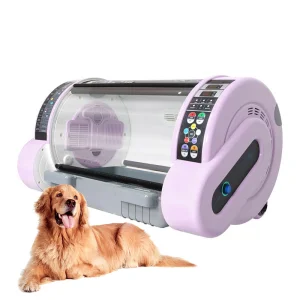
With a strong emphasis on innovation and precision engineering, WellData Medical provides a comprehensive product portfolio covering Pet ICU units, oxygen therapy systems, veterinary patient monitoring devices, diagnostic imaging solutions, and critical care support equipment.
These systems are designed to improve survival rates and treatment efficiency for companion animals and large veterinary patients requiring intensive care and respiratory support. The company is committed to delivering reliable, user-friendly, and clinically effective solutions that meet international quality standards such as ISO and CE certifications. Its veterinary ICU and oxygen therapy systems are widely used for post-operative recovery, respiratory distress management, and long-term critical care in animal hospitals.
Hangzhou WellData Medical Co., Ltd. integrates R&D innovation with manufacturing excellence, offering OEM/ODM customization services to meet diverse clinical requirements across global markets. With a growing international presence, the company serves veterinary professionals in Asia, Europe, the Middle East, and the Americas. By combining advanced medical engineering with animal care expertise, WellData Medical continues to support veterinarians with safer, smarter, and more efficient treatment technologies, aiming to become a trusted global partner in veterinary critical care and diagnostic solutions.


The intricate electromagnetic physics and structural design principles behind reliable animal microchip scanners.
At the heart of every animal microchip system is inductive coupling. The handheld scanner acts as the reader, housing a transmitter coil that emits a magnetic field at 134.2 kHz. When the reader is brought near the passive microchip transponder (typically implanted subcutaneous in the animal's neck), the magnetic field passes through the microchip's internal micro-coil. The induced voltage powers the microchip's onboard silicon chip, which then modulates the magnetic field to transmit its preprogrammed 15-digit unique identification code back to the reader.
To achieve high-efficiency coupling, the scanner's internal antenna geometry is critical. We utilize premium litz-wire circular loop configurations paired with tuning capacitors, reaching a high Q-factor (quality factor). This ensures that even when the transponder is misaligned or deeply embedded in heavy muscular tissue, the magnetic flux is sufficient to activate the transponder and pull the signal out of the noise floor.
Modern veterinary clinics are electromagnetically noisy environments. Fluorescent lights, surgical tables, diagnostic monitors, and adjacent anesthesia machines produce significant electromagnetic interference (EMI). A standard scanner will experience massive read-range degradation in these environments.
Our specialized OEM scanners incorporate proprietary Digital Signal Processing (DSP) algorithms at the hardware level. The analog signal received by the antenna is filtered using narrow bandpass filters, digitized, and processed via dynamic thresholding. This allows the scanner to isolate the weak FDX-B amplitude-modulated or HDX frequency-modulated response from surrounding high-frequency noise, keeping read latencies under 100 milliseconds and maintaining absolute tracking accuracy.
Seamlessly matching local municipal demands, regional certifications, and technical compatibility requirements.
Exporting to Europe, North America, and APAC requires distinct certifications. Our manufacturing pipeline guarantees full conformity with FCC (US), CE-RED (Europe), IC (Canada), and TELEC (Japan) standards. We verify all RF emissions parameters, ensuring our Bluetooth and Wi-Fi modules run safely alongside sensitive patient monitors and anesthesia rigs without causing electromagnetic interference.
True localization requires more than translated user manuals. Our custom firmware interfaces can be customized to display UI prompts in multiple languages, including English, Spanish, French, German, Japanese, Portuguese, Russian, and Arabic. Memory structures can also be partitioned to store custom metadata (such as timestamp, species indicator, and temperature readings) that match regional databases.
Different countries use distinct registration protocols. Whether you are connecting to Europetnet in Europe, the American Kennel Club (AKC) databases in the US, or localized agricultural tracing systems, our scanners support direct API linking via SDKs. We write custom USB keyboard emulation configurations, enabling the scanner to input scanned codes directly into any text field on your local software.
Tailored utility profiles across varied commercial, clinical, and ecological applications.
When a patient is admitted to a critical care unit, the intake process must be rapid. Scanning the animal immediately matches it to its electronic medical records (EMR), preventing diagnostic errors or medication mix-ups. By integrating the microchip scanner directly with patient monitors and ICU incubators, clinicians create an airtight digital chain of custody. Patient updates, drug administrations, and vitals tracking are automatically logged against the scanned microchip ID.
Animal control departments and border customs operate in high-throughput environments. Our scanners' ability to rapidly read multiple microchip protocols prevents bottlenecks during check-ins. If an animal is lost, the chip ID cross-references global databases instantly. Furthermore, robust IP-rated casing ensures the reader survives outdoors in sub-zero temperatures, humid border ports, and rainy outdoor holding areas.
In commercial farming, scanning is essential for monitoring growth metrics, vaccination cycles, and lineage verification. The scanner must be capable of reading high-frequency ear tags (HDX) from a distance. The fast read cycle allows workers to quickly identify and sort cattle, sheep, or pigs. Our high-power handheld scanners provide extended reach, keeping personnel at a safe distance from large animals during processing.
Ecologists and conservation rangers implant microchips in wild populations to track migratory habits, longevity, and population health. These application environments require maximum hardware durability. Compact, ergonomic handheld readers with long-lasting lithium batteries allow field researchers to operate in remote regions for days without access to recharging grids.
Pioneering the next generation of animal telemetry, IoT integration, and predictive diagnostics.
The next frontier is temperature-sensing transponders. Future iterations of our scanners will not only read the animal's 15-digit ID, but also instantly capture subcutaneous temperature. This eliminates the need for rectal thermometers, reducing stress during veterinary exams and providing immediate indicators of systemic inflammation or fever.
By integrating low-energy Bluetooth 5.2 and Wi-Fi modules, our next-generation scanners sync scanning history to cloud platforms in real-time. This allows veterinary hospital networks to coordinate records across multiple regional clinics instantly, ensuring that an animal's medical file is updated the moment it is scanned anywhere.
Artificial Intelligence algorithms integrated into clinic management software will analyze the scanning pattern. If an animal is scanned in a veterinary clinic, the system automatically checks current diagnostic telemetry from patient monitors and ICU cradles to suggest personalized treatment steps based on historical profiles.
Expert answers to the most common technical, operational, and commercial inquiries from global distributors.
FDX-B (Full-Duplex B) is the international standard defined by ISO 11784/11785. It operates at 134.2 kHz and sends data while the scanner is sending its electromagnetic charge. FDX-B chips contain a 15-digit code. FDX-A (Full-Duplex A) is an older legacy standard operating at 125 kHz, common in some US databases. HDX (Half-Duplex) operates at 134.2 kHz but sends data only after the scanner's charger has stopped transmitting, providing a stronger signal that is ideal for agricultural animal tracking. Our scanners support all three technologies.
Yes, as an OEM/ODM provider, we supply complete software development kits (SDKs) compatible with Android, iOS, Windows, and Linux. These SDKs allow programmers to directly capture the serial output of scanned microchips, enabling real-time integration with proprietary veterinary clinic management systems or agricultural databases.
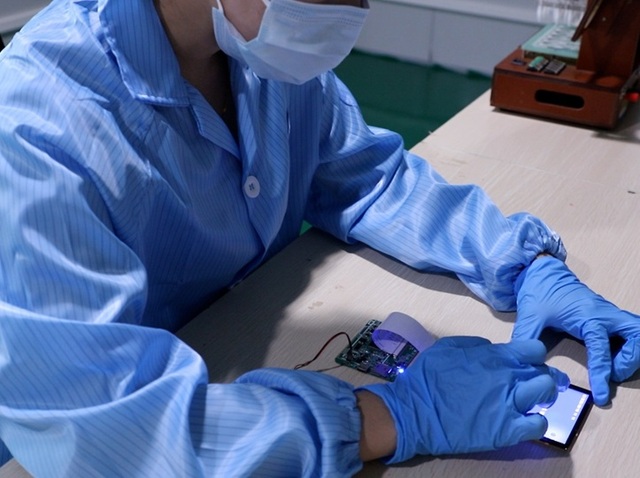
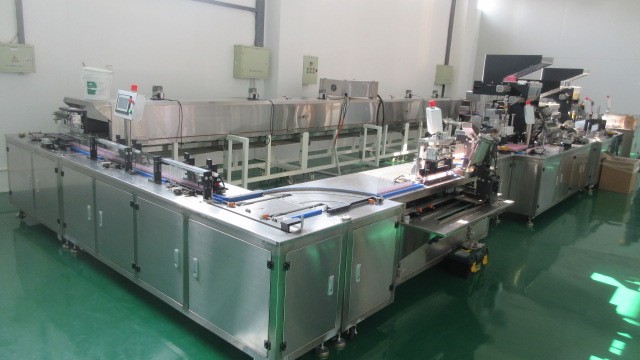
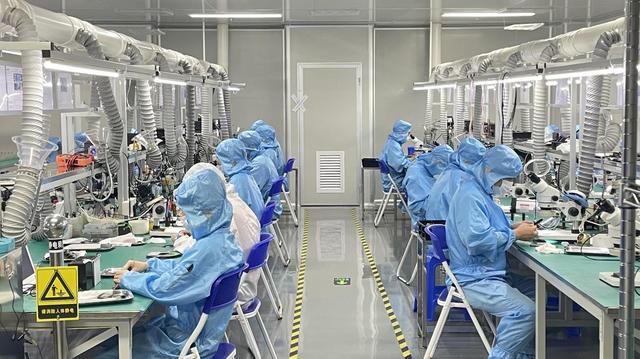
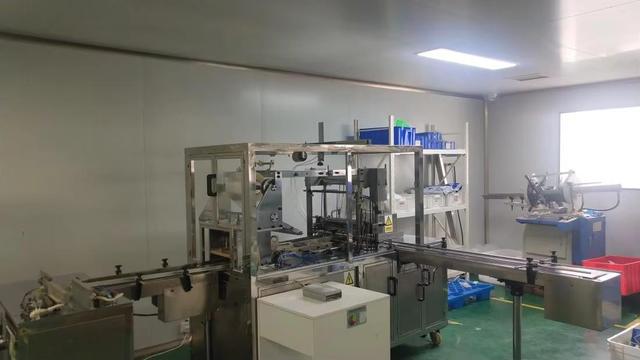
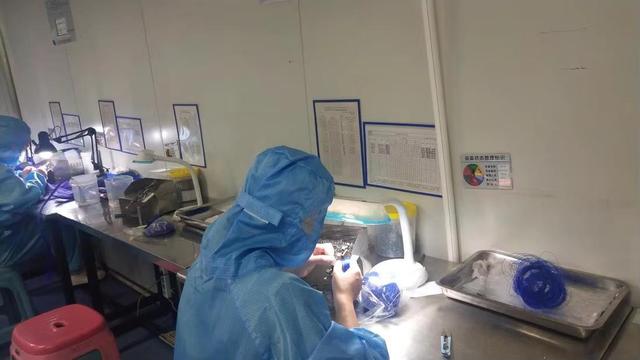
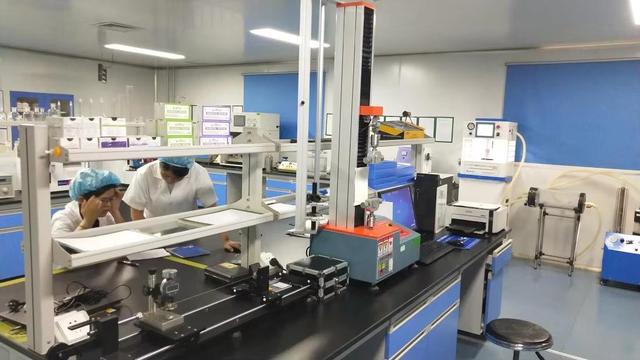
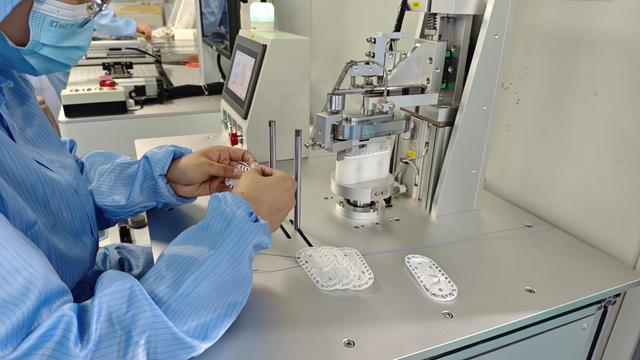
Our production lines employ rigorous testing protocols using high-precision calibration equipment. Every batch of microchip scanners undergoes signal resonance testing, decibel sensitivity analysis, and read-range verification to ensure strict compliance with ISO standards. This guarantees that your custom-branded scanners will seamlessly read any certified chip globally.
Yes, our latest scanner models are engineered to decode the additional telemetry data sent by temperature-sensing transponders (such as Bio-thermo microchips). The device displays both the unique 15-digit ID and the animal's core body temperature simultaneously on the LCD screen.
Our OEM services include outer casing colors, custom brand logos, customized startup screens, multi-language UI localization, custom USB keyboard emulator codes, and modified communication protocols (e.g., custom Bluetooth naming or custom Wi-Fi handshake credentials).
We offer a comprehensive 12-to-24-month hardware warranty on all OEM devices. Distributors receive direct access to our engineering team for firmware updates, SDK optimization, and replacement parts, ensuring minimal downtime for your distribution network.
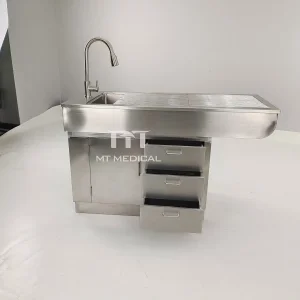
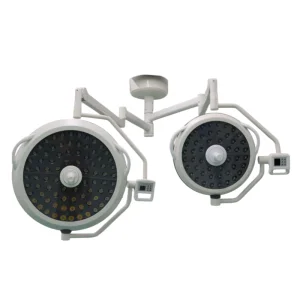
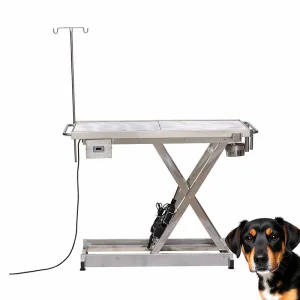
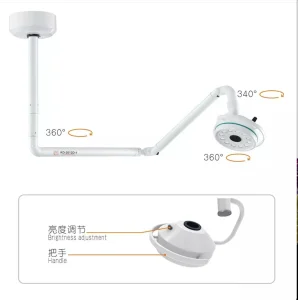
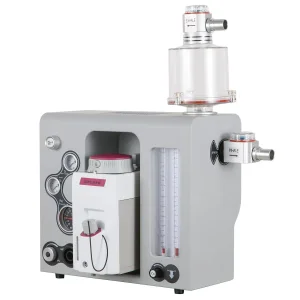
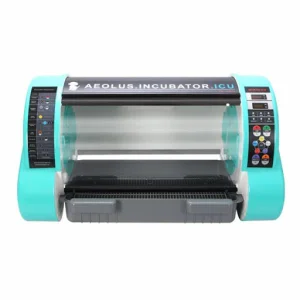
Complete your facility's clinical capabilities with our industry-leading surgical and diagnostic hardware.
 WellData Medical