Engineered to deliver stability and precision under demanding clinical environments. Featuring advanced telemetry, sterilization capacity, and smart climate control.
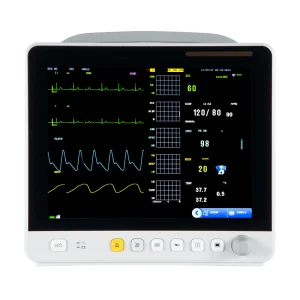
Real-time monitoring of SpO2, ECG, NIBP, temperature, and respiration designed for intensive care.
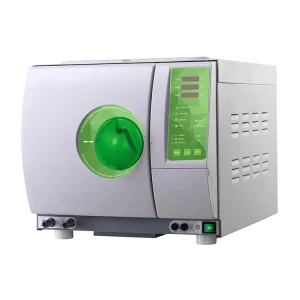
Ensures superior biosecurity and surgical tool sterilization in remote and municipal practices.
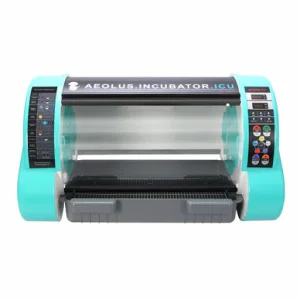
Precisely regulated humidity and temperature workspace for neonatal, fragile, and recovering species.
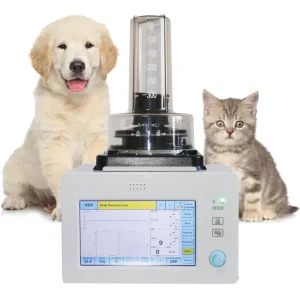
Engineered for precise ventilatory control during surgical procedures and trauma intervention.
Veterinary practice in the Democratic Republic of the Congo (DRC) covers some of the world's most ecologically diverse and operationally complex landscapes. From urban companion veterinary care in Kinshasa and Lubumbashi, to primary agriculture livestock clinics in the central plains, and critical wildlife conservation projects across Kivu and the Virunga National Park ecosystem, veterinarians face extreme environmental and logistical challenges. Among these, managing perioperative hypothermia in animals during surgical interventions remains a major clinical challenge.
Anesthetized animals lose their natural ability to regulate internal body temperature (thermoregulation). In ambient conditions that frequently fluctuate between tropical humidity and high-altitude forest drafts, passive insulation such as blankets is rarely sufficient. Hypothermia during operations leads to cardiovascular stress, delayed metabolic clearance of anesthetic agents, poor wound healing, and higher post-operative mortality. Active Animal Warming Systems, engineered with precise feedback loops, are now standard in modern veterinary medicine globally, and their adoption in the DRC is transforming clinical outcomes.
Studies show that without active warming, over 65% of domestic animals experience mild to severe hypothermia within 30 minutes of anesthetic induction. Our warming systems stabilize core body temperatures, ensuring faster recovery and significantly reducing anesthetic complications.
Our warming systems and clinical units are customized to perform reliably in different operating conditions across the DRC.
In high-growth metropolitan areas like Kinshasa, Lubumbashi, and Goma, modern veterinary practices are expanding. Pet owners expect advanced standards of care. Our warming incubators and patient monitors provide standard, clinical-grade support for complex surgeries, orthopedic procedures, and post-operative recovery, establishing local clinics as high-quality veterinary centers.
Wildlife conservation programs in Kivu, Virunga, and Kahuzi-Biega protect endangered primates and other keystone species. Veterinary field interventions require mobile, durable equipment. Our ruggedized warming systems and portable incubators are designed to operate under challenging conditions, ensuring safe body temperatures for vulnerable wildlife during field anesthesia.
The agricultural sector across rural Katanga and Central Basin provinces depends on healthy livestock. Treating farm animals and working equines requires durable clinical equipment. We supply veterinary equipment that stands up to dust, heavy transport, and erratic electrical power supply, ensuring veterinarians can deliver high-quality care anywhere.

Early veterinary warming systems used simple water blankets or standard radiant bulbs, which had risks of thermal injury or uneven heating. Modern clinical practice requires systems designed for precision, safety, and energy efficiency.
WellData Medical's development roadmap focuses on closed-loop feedback systems. By integrating real-time telemetry from veterinary monitors (such as rectal and skin probes) directly with the heating element controllers, our next-generation systems dynamically adjust thermal output. This prevents over-heating or rapid cooling, maintaining stable temperatures during critical cases.
To meet the needs of regional projects across Africa, we are designing high-efficiency heating blankets with low power draw, compatible with solar-powered clinic setups and mobile battery packs. This ensures that remote field operations can maintain critical care standard even without access to standard power grids.
In developed markets, veterinary regulatory bodies enforce strict guidelines to safeguard animal welfare during anesthesia. The American Animal Hospital Association (AAHA) and European equivalents identify active core warming as a mandatory component of standard veterinary anesthesia. These standards are increasingly being adopted by veterinary training hospitals and regional centers across the African continent to improve surgical outcomes and pet safety.
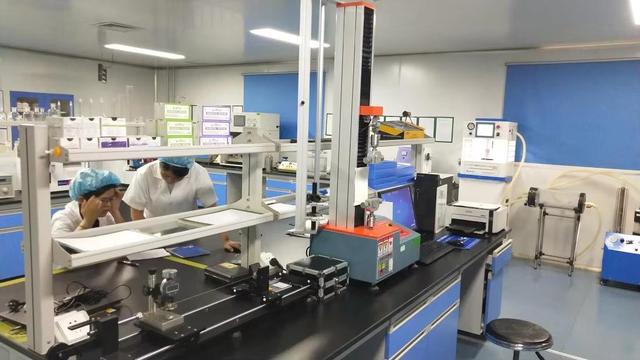
Our company develops systems according to international human-grade medical certifications. Our factory maintains ISO 13485 certification, and our products carry CE approvals. This ensures that every warming system, patient monitor, and anesthesia system we ship meets international standards for build quality, electrical safety, and clinical performance.
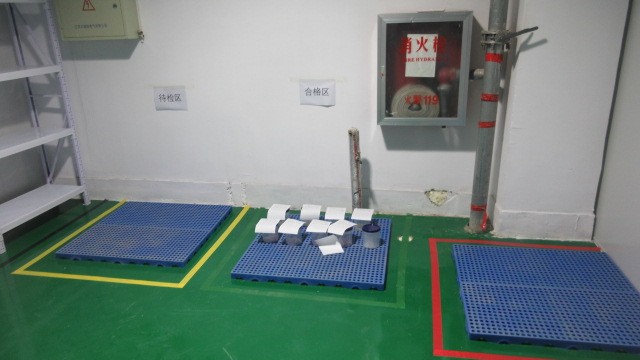

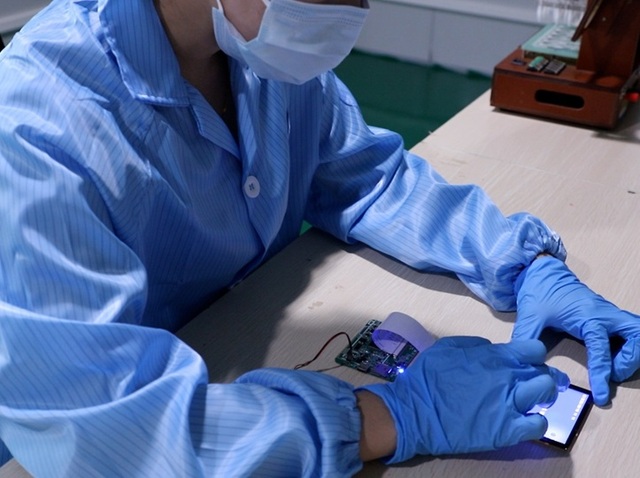
Ensuring compliance with medical device standards requires high component durability. Unlike low-cost, uncertified alternatives, our animal warming systems and ICU equipment use clinical-grade carbon fiber and medical polymers. These materials are highly resistant to moisture, fluids, and cleaning agents, ensuring safe operation and long-term durability in intensive veterinary clinics.
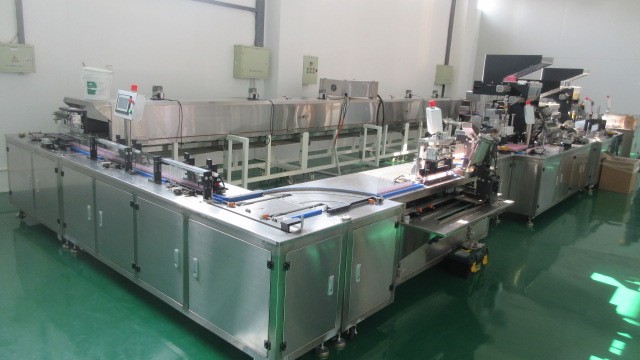
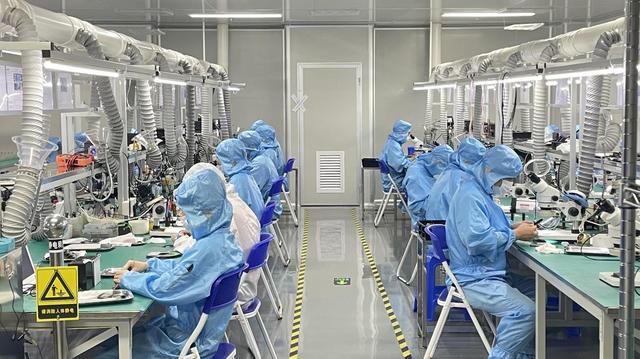
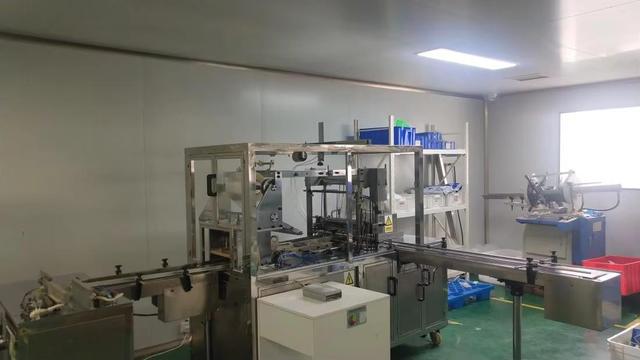
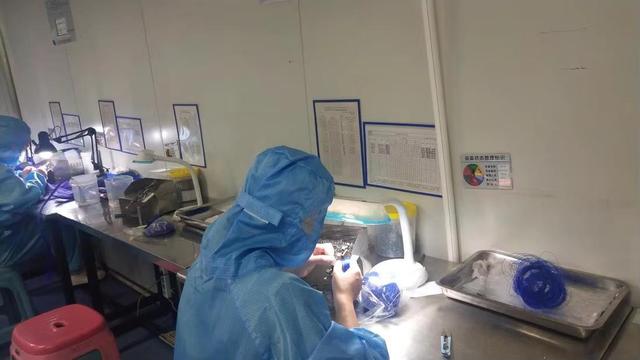
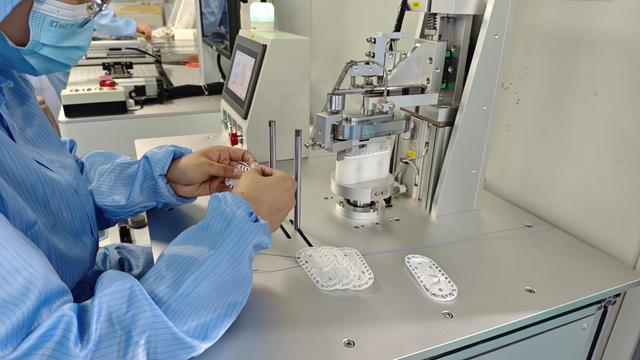
Sourcing advanced veterinary equipment for markets in the Democratic Republic of the Congo requires a highly efficient supply chain. Our manufacturing facilities in China provide a combination of technical precision, manufacturing scale, and logistical efficiency that ensures reliable delivery and value.
By using direct material procurement, advanced PCB assembly, and lean manufacturing processes, we minimize manufacturing costs without compromising quality. This allows us to supply veterinary centers and regional projects in the DRC with high-performance warming systems and veterinary equipment at competitive rates.
We work with leading international shipping lines and air freight forwarders to provide reliable transport routes. Whether shipping by air to Kinshasa (FIH) or by sea via the Port of Matadi or East African transit corridors (Mombasa and Dar es Salaam), we manage custom-compliant crating, document clearance, and port handling to ensure reliable, safe delivery of all orders.
Importing precision clinical devices into the DRC requires navigating national regulatory clearances, including the OCC (Office Congolais de Contrôle). Our export division manages all necessary paperwork, including providing compliant CE documentation, certificates of origin, and detailed technical declarations, ensuring smooth customs clearance at the border.
We understand that equipment durability is crucial for veterinary practices. To support clinics in remote regions, we provide a comprehensive service package:
Our support engineers are available online to guide local technicians through setup, initial calibration, and preventative maintenance procedures.
We offer a 12-month parts-replacement warranty, with rapid shipping of critical spares (like thermal sensors or control boards) to minimize downtime.
Our systems are built to tolerate power fluctuations, with internal surge protection and configurations compatible with local 220V/50Hz power grids.
Through our network of regional partners and direct support channels, we ensure that veterinary facilities in Kinshasa, Lubumbashi, Kisangani, and Goma receive reliable equipment and ongoing technical support.
Select clinic systems configured for tropical environments, designed to support local veterinary facilities.
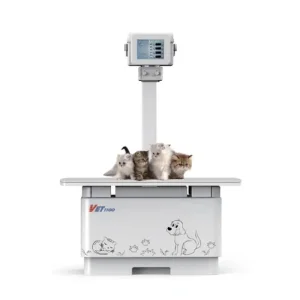
High-resolution diagnostic digital imaging for veterinary bone and tissue analysis.
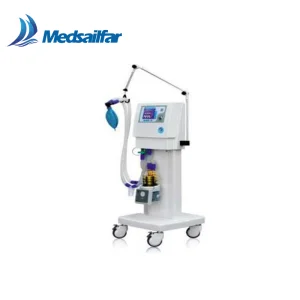
A portable mobile respiratory unit engineered for field emergencies and animal ambulances.
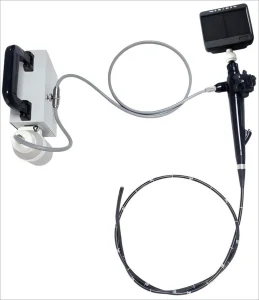
Handheld diagnostic endoscopy for minimally invasive gastrointestinal examination.
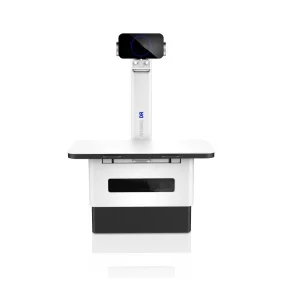
Lightweight, mobile imaging setup designed for wildlife conservation and rural operations.
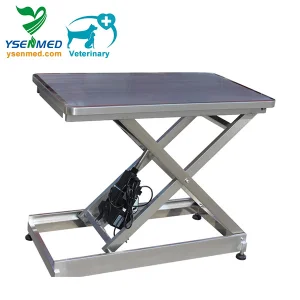
Hygienic, easy-to-sanitize treatment table designed to support high surgical workloads.
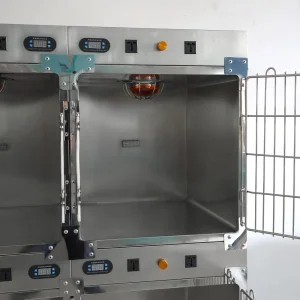
Combines localized oxygen therapy and warming support for post-operative recovery.
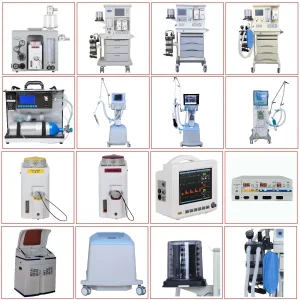
An all-in-one surgical anesthetic and patient ventilation platform for veterinary operating rooms.
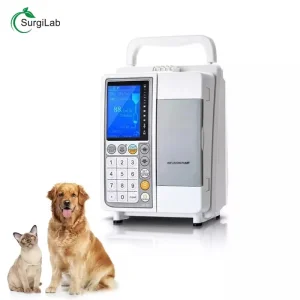
Enables precise micro-infusion delivery to prevent fluid overload in critical recovery cases.
Addressing essential technical, clinical, and operational questions for veterinarians in the DR Congo and Central Africa.
Even in warm ambient environments, anesthetic agents impair an animal's natural ability to regulate body temperature. Cold operating tables, IV fluids, and open body cavities lead to heat loss. This drop in temperature slow metabolism, delays anesthetic recovery, and increases cardiac stress. Active warming maintains stable core temperatures, supporting safe surgical recovery.
Our equipment features internal surge protection to handle voltage fluctuations. Key critical-care systems are designed for low power consumption, making them compatible with solar power setups and generator systems commonly used in regional clinics.
Maintaining cleanliness is crucial. Our warming mats are made from waterproof, medical-grade materials that can be sanitized using standard hospital disinfectants. For incubators, filters should be regularly checked and cleaned to maintain air quality, and temperature sensors should be calibrated annually to ensure system accuracy.
Yes. Our systems are used in wildlife conservation projects globally, including primate clinics in Central Africa. Our incubators and portable warming mats offer accurate temperature controls, providing a stable recovery environment for sensitive wildlife species.
We offer both air and sea shipping options. Air freight to Kinshasa (FIH) typically takes 7 to 10 working days, which is ideal for urgent medical equipment orders. Sea freight to the Port of Matadi or transit via Dar es Salaam typically takes 35 to 50 days, providing a cost-effective solution for larger facility setups.
Our warming mats feature dual independent thermal sensors and built-in safety cut-offs. If the mat surface exceeds the set temperature (typically restricted to a safe limit of 38-39°C), the controller automatically shuts down the power. This prevents thermal injury, ensuring patient safety during long surgeries.
Contact our product engineering team to discuss your project requirements, shipping options, and volume discounts.
 WellData Medical